
Reviewed · OSAKA TEA CEREMONIES
Nara:5 Type of Tea Tasting & Mindful Tea Ceremony
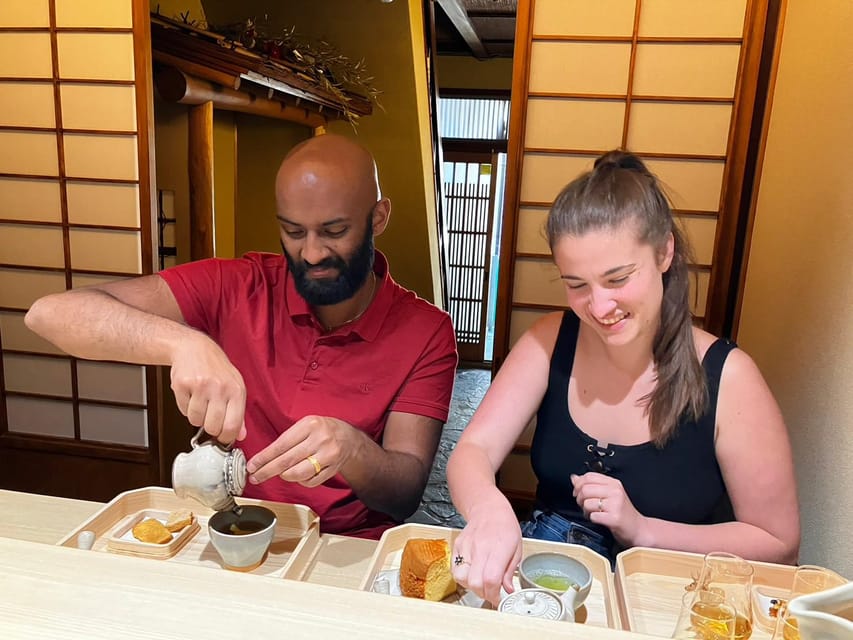
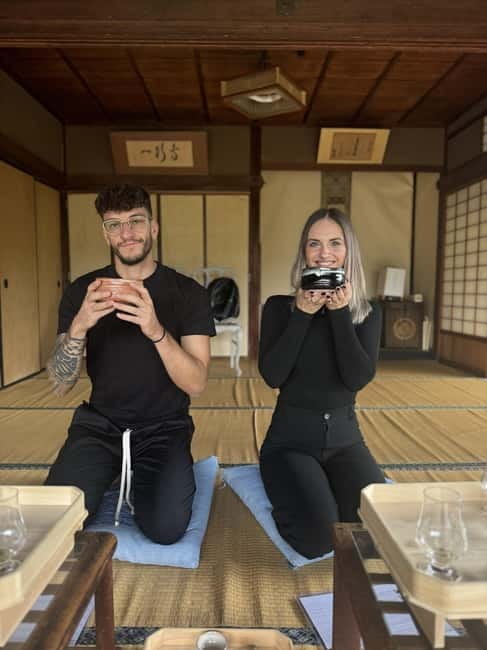
Nara’s tea experience starts with a useful pleasure: tasting five kinds of Japanese tea side by side, then learning how to make matcha yourself. The setting is a renovated traditional house, and the session pairs a tea flight with a guided ceremony rather than asking you to choose between the two.
I like the one-on-one instruction and the chance to compare teas before settling in with a favorite. I also like the personal touches: host Mike has shared the craft of making bamboo tea whisks, and the house looks onto a small garden. One consideration: the ceremony can mean sitting still on the floor, and an unhurried session may take longer than 90 minutes.
Key points
- Five Nara teas: Taste a tea master’s selection of locally sourced varieties, from fragrant matcha to mellow roasted teas.
- A favorite, brewed with care: Choose one tea from the tasting for a special pot-brewed serving.
- Hands-on matcha: Whisk your own matcha and get personal guidance from the tea master.
- A traditional home setting: The tea room is in a renovated Japanese house, described as roughly 120 years old, with a small garden view.
- Sweets with the tea: Two kinds of Japanese sweets are included, with seasonal wagashi served during the ceremony.
Start with a five-tea tasting
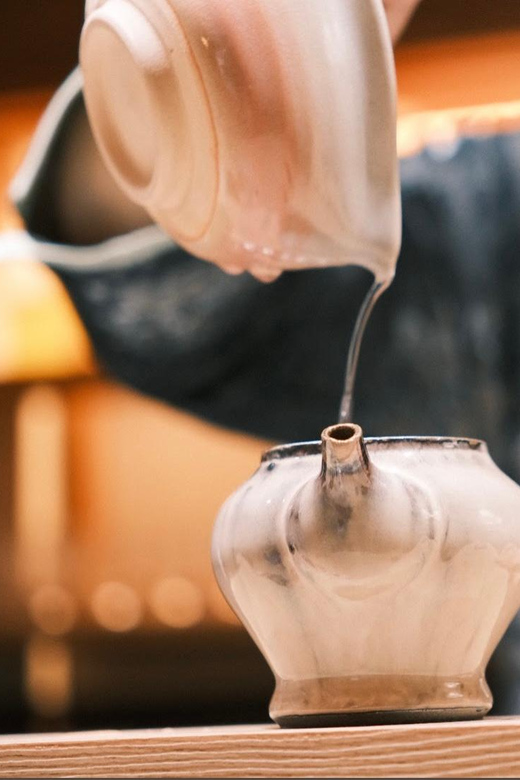
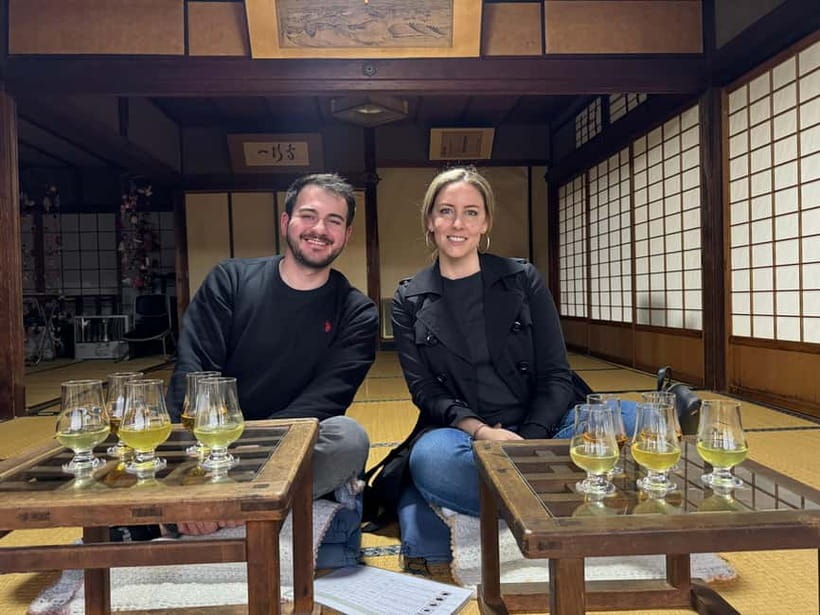
The session opens with five Japanese teas selected by the tea master and locally sourced in Nara prefecture. This is more than a quick sip of matcha. You get to compare different aromas and flavors, including the bright, distinctive character of matcha and the softer, roasted notes of other teas.
That comparison is helpful even if you already drink Japanese tea. A tasting gives you a clearer sense of what you like, instead of leaving you to pick an unfamiliar name from a menu later. If you usually reach for coffee, as one past participant did, the range can make Japanese tea feel more approachable.
The tea master then prepares a pot of your preferred variety. That second serving is a small but worthwhile change of pace: after trying several teas, you can slow down and notice what makes your favorite work for you. The host’s attention to brewing is part of the lesson, since preparation can bring out a tea’s flavor rather than simply deliver a cup.
I’d treat this first section as a tasting, not a full tea class. You’ll sample a selection and learn about Japanese tea, but the session’s deeper focus is the ceremony that follows. If your main interest is the ceremony, the tasting is a useful introduction; if you’re a tea enthusiast, it gives you a broader flavor comparison before you settle on one.
More tea ceremonies around Nara:
- World Heritage Kyoto & Nara Uji Authentic Matcha Experience
★ 5.0 · 1,573 reviews - Nara:Authentic Tea Ceremony(Max 5 ppl) -Master Matcha Making
★ 5.0 · 119 reviews - Nara:Tea Tasting&Private Tea Ceremony -Master Matcha Making-
★ 5.0 · 19 reviews
Step into a renovated Nara house
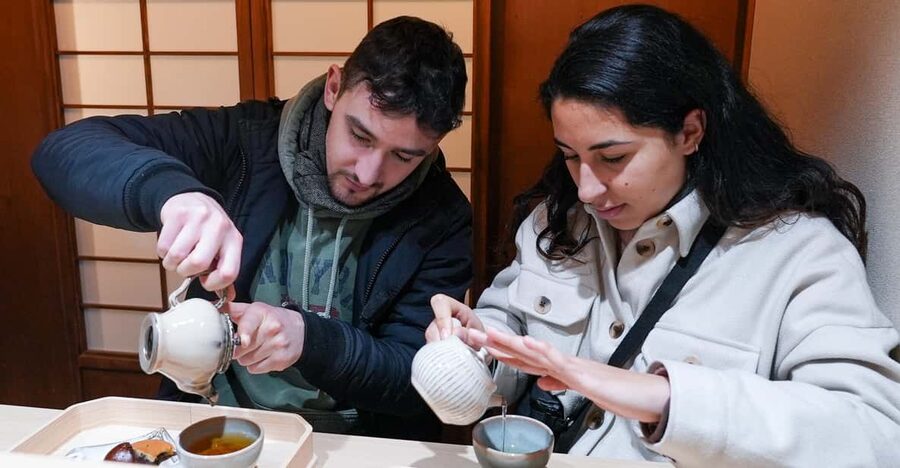
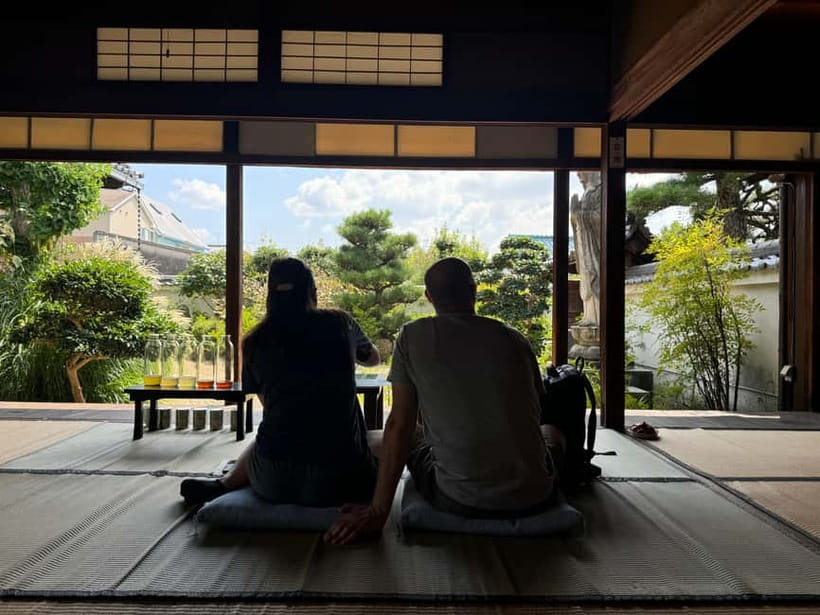
The tea room is in a renovated traditional Japanese house, not a purpose-built attraction. The home is described as about 120 years old, with a wooden interior and a view over a small garden. That domestic setting suits the quiet pace of the activity: you are visiting a home and sharing a host-led practice, not watching a performance from the edge of a crowd.
The small scale is a key part of the appeal. This is sold as a private group experience, and one account described a group of four. That does not establish a fixed group limit, but it gives you a sense of the intimate format. You should have room to ask questions and receive individual help, especially during the matcha practice.
Host Mike is named in several accounts of the experience. The atmosphere is described as calm and friendly, with a host who explains the ceremony while keeping the interaction personal. One participant also heard about the making of bamboo tea whisks, the tools used to prepare matcha. That craft detail connects the ceremony to the objects in your hands, though you should not assume every session includes a separate whisk-making lesson.
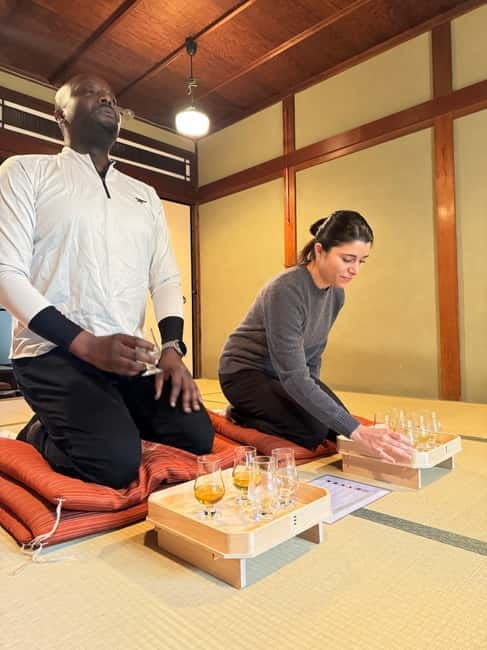
The house is part of the experience, but it also calls for a little flexibility. A past participant noted that reaching the house involves walking, and another mentioned sitting on the floor for the ceremony. The activity is listed as wheelchair accessible, but if floor seating or the walk is a concern, ask the provider what the arrangement is like before booking.
Learn the ceremony by making matcha
After the tasting, the tea master introduces the history, etiquette, and tools of the Japanese tea ceremony. That context matters. Without it, the movements can look like a set of rules to copy; with an explanation, you can understand why the gestures and order of preparation receive such care.
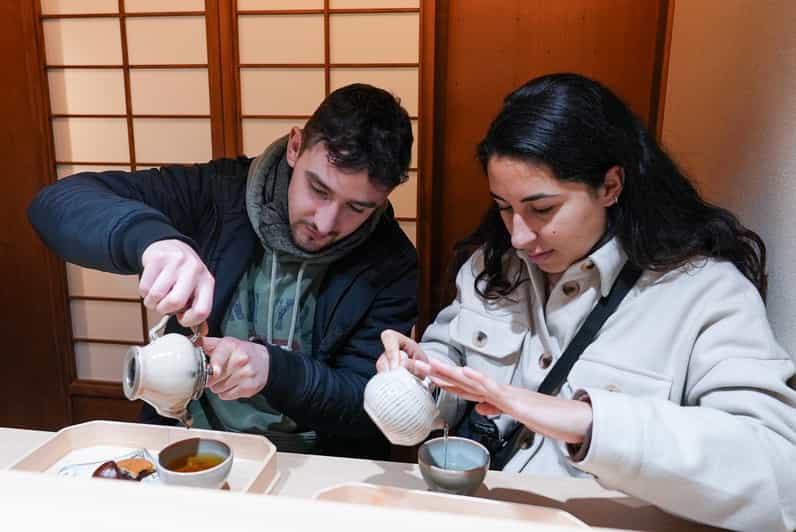
You then get to whisk your own matcha. The tea master offers one-on-one instruction and personalized feedback, so you are not left to guess whether your technique is working. The hands-on part makes the ceremony easier to remember, and it gives you a chance to focus on each motion instead of simply watching someone else do it.
Expect a calm, deliberate pace. This is not a show built around quick photo stops. You will be asked to pay attention, follow guidance, and take time with the preparation. If you want a quiet cultural activity between sightseeing stops, that slower rhythm is a real advantage. If you have a tight schedule or prefer a fast-moving tour, it may feel too long.
The ceremony’s personal scale also suits families with older children. A teenager has been described as finding the experience a trip highlight, and a parent’s son was invited to take the role of tea master in training and serve his mother. That suggests there can be room for meaningful participation, but the activity is not suitable for children under 12.
Pair tea with seasonal wagashi
The tea ceremony ends with Japanese sweets, including seasonal wagashi. Two kinds of sweets are included, and their delicate flavors are intended to accompany the tea rather than compete with it. This pairing gives you another way to notice the tea: a sip can taste different alongside a sweet than it does on its own.
The sweets are not an incidental snack. They are part of the ceremony’s rhythm, giving you a moment to pause between preparation and tasting. If you are curious about Japanese food traditions, this is a modest but welcome introduction. The exact sweets can vary by season, so you should not expect a particular shape or flavor on a specific date.
The experience is best suited to people who enjoy learning through small details. The five teas, the brewing method, the matcha tools, and the sweets each give the host a way to explain a different part of Japanese tea culture. You do not need to arrive as a tea expert. Curiosity and willingness to slow down are more useful.
More food and drink stops around Nara:
- Private Nara Tour and Sake Tasting (Departing from Kyoto/Nara)
★ 5.0 · 40 reviews - Nara – Craft Beer, Sake, and Food Walking Tour
★ 3.5 · 9 reviews - Nara: Sake Tasting Tour at the Birthplace of Japanese Sake
★ 4.9 · 8 reviews - Osaka: Shinsekai Food Tour with 13-15 Dishes at 5 Eateries
★ 4.8 · 2,204 reviews
What the $61 price gets you
At $61 per person, this is more than a brief tea sampling. The price covers five kinds of Japanese tea, a pot-brewed serving of your chosen favorite, a guided matcha practice, the tea ceremony, and two kinds of sweets. You are also paying for the setting and the tea master’s personal instruction, which are harder to reproduce by ordering a cup at a café.
The value is strongest if you want a cultural activity with active participation. You taste, ask questions, and make matcha yourself. A standard tea shop visit might be less expensive, but it would not include the same guided explanation or private format. On the other hand, if you mainly want to drink tea and move on, the ceremony and instruction may be more than you need.
Sake has been part of some past sessions, but it is not among the stated inclusions. I would not book this expecting a sake tasting. The dependable core is five teas, matcha practice, and two Japanese sweets.
The activity runs for 90 minutes, though it is wise to leave a little breathing room afterward. One past session was described as taking close to two hours, so avoid scheduling a train or timed attraction immediately after the stated finish. The pace is meant to be tranquil, not hurried.
Who will enjoy this quiet tea session
This experience is a good fit for tea lovers, first-time visitors curious about Japanese customs, and anyone who wants a break from sightseeing at a gentler pace. The private format makes it easier to ask questions, and English instruction means you can follow the explanations without needing Japanese. The host can also offer local tips, which may help you make better use of your time in Japan.
It may be especially appealing if you enjoy learning how a tradition works rather than only seeing its finished form. You get to try the whisking, taste several teas, and learn about the ceremony’s tools and etiquette. Past participants have included families, but children under 12 are not suitable for the activity.
The main drawbacks are practical and personal. You need to be comfortable with a calm, seated activity, and floor sitting may not suit everyone. The activity is listed as wheelchair accessible, but that does not answer every question about seating or movement inside a traditional house. Check the details with the provider if you need a particular arrangement.
The experience is also not intended for pregnant women. For everyone else, the main question is whether you want a slow, small-group encounter rather than another packed sightseeing stop. If the answer is yes, the format is a sensible way to spend part of a day in Nara.
Should you book this Nara tea ceremony?
I’d book it if you want to taste several kinds of tea and take part in a genuine tea ceremony, not just observe one. The strongest reasons are the personal matcha instruction, the tea master’s explanations, and the quiet setting in a traditional home. At $61, the combination of tasting, sweets, and one-on-one guidance offers good value for someone interested in Japanese tea culture.
Skip it if you need a quick activity, dislike sitting still, or have a strict schedule with no room for a longer session. Before booking, check the seating arrangement if floor sitting could be difficult, and leave extra time afterward. The experience is at its best when you can slow down and give the tea, the ceremony, and the host your attention.
FAQ
How long is the tea experience?
The stated duration is 90 minutes. Allow extra time if your schedule is tight, since one past session was described as lasting close to two hours.
How much does it cost?
The price is $61 per person.
What teas are included?
You taste five kinds of Japanese tea selected by the tea master, including teas locally sourced in Nara prefecture.
Do I get to make matcha?
Yes. You can whisk your own matcha with guidance and personalized feedback from the tea master.
Are sweets included?
Yes. Two kinds of Japanese sweets are included, with seasonal wagashi served during the ceremony.
What language is the instruction in?
The instructor speaks English.
Is this a private experience?
Yes. It is offered as a private group experience.
Is the activity suitable for children?
Children under 12 are not suitable for this activity.
Is the experience wheelchair accessible?
It is listed as wheelchair accessible. If you need a specific seating arrangement, check with the provider, since a past participant described sitting on the floor during the ceremony.
Can I cancel for a refund?
You can cancel up to 24 hours in advance for a full refund.
Just added around Nara
- Nara: Write Your Own Name in Kanji (Japanese Calligraphy)★ 4.4 · 3 reviews
- Nara: Private City Tour With A Local Guide★ 4.2 · 8 reviews
- Nara Heritage Walkabout from Nara Park to Todaji-ji temple★ 5.0 · 5 reviews
- Nara: Sake Tasting Tour at the Birthplace of Japanese Sake★ 4.9 · 8 reviews
- Nara: Half-Day Private Tour of 4 Must-See Spots & Deer Park★ 5.0 · 3 reviews
- Nara: Full-Day Private Guided Tour★ 5.0 · 4 reviews
- Nara: Cultural Heritage Tour by Rickshaw★ 5.0 · 5 reviews
- Nara: Cooking class, learning how to make authentic sushi★ 5.0 · 5 reviews
Osaka Tea Ceremonies, compared.
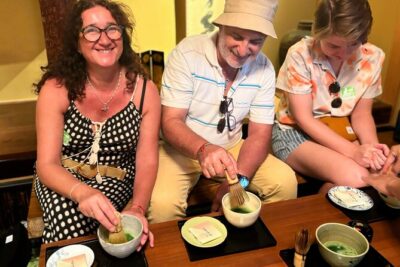
World Heritage Kyoto & Nara Uji Authentic Matcha Experience
Read our review →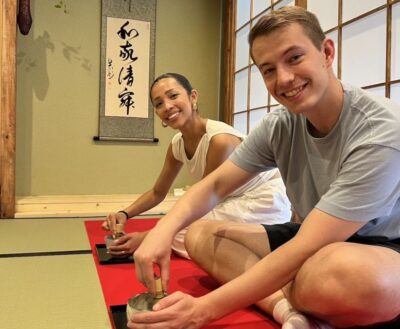
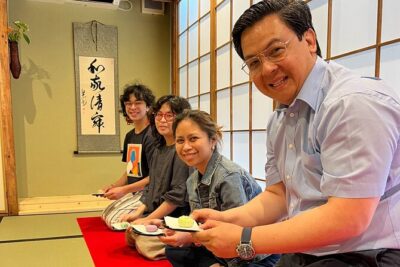
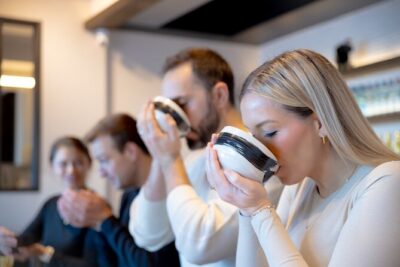
Matcha Making Class in Osaka with Authentic Japanese Sweets Set
Read our review →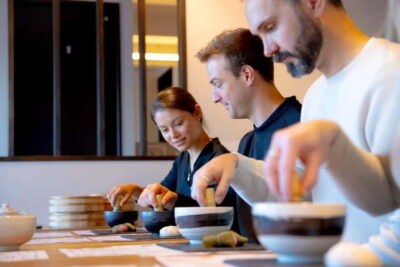

Authentic Tea Ceremony(Max 5 ppl) -Master Matcha Making
Read our review →
Japanese Traditional Sweets Making and Tea Ceremony
Read our review →
Osaka Temple Cool Foot Bath & Matcha Experience〈45min〉
Read our review →Browse the lists this tour appears in