
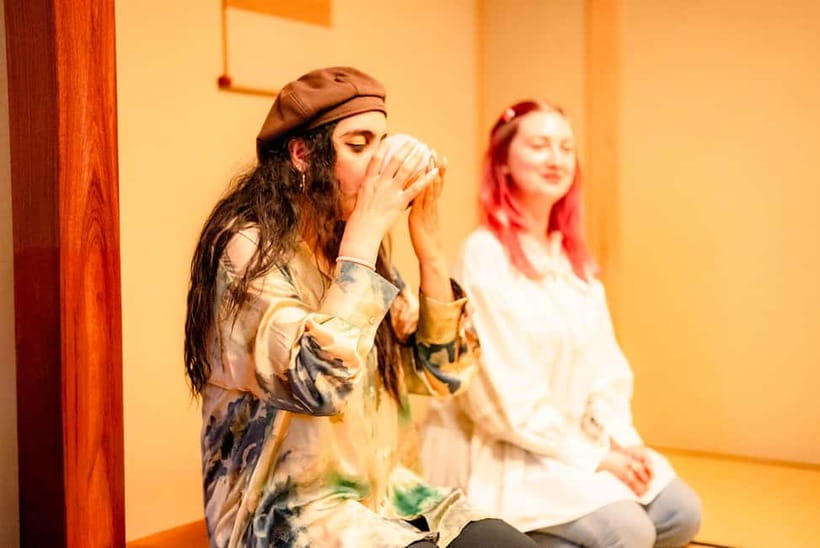
Reviewed · OSAKA TEA CEREMONIES
Nara:Authentic Tea Ceremony(Max 5 ppl) -Master Matcha Making
A quiet farmhouse, a tea bowl, and the measured rhythm of whisking: this Nara experience gives you a close look at the Japanese tea ceremony without requiring a full day or prior knowledge. In an hour, you hear about the ritual’s history and tools, watch the host prepare matcha, then make a bowl yourself.
I like two things in particular: you get to practice the whisking, rather than only watch, and the tasting lets you compare single-origin matcha from Nara. Seasonal wagashi, a traditional sweet served with the tea, rounds out the experience. One consideration: an hour is enough for an introduction, not an in-depth course, and the stated group limit varies between five and six, so check the details for your date.
- The setting is a 120-year-old farmhouse, offering a calm contrast to a busy sightseeing day.
- You make matcha yourself, with a tea master guiding your technique and offering feedback.
- You taste matcha from Nara, with a chance to compare flavors and choose a favorite.
- Seasonal wagashi is included, served alongside the tea.
- Instruction is available in English or Japanese, and the listed group limit is six, though the activity title says five.
A farmhouse setting that slows the pace
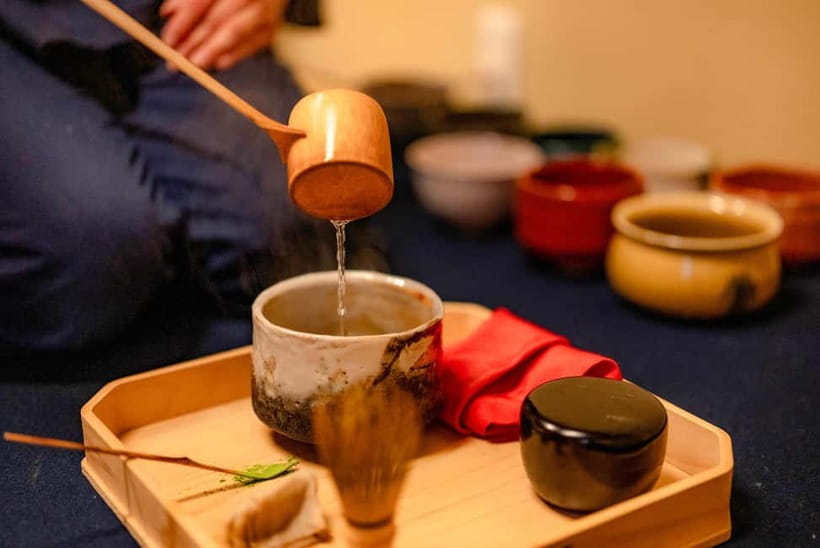
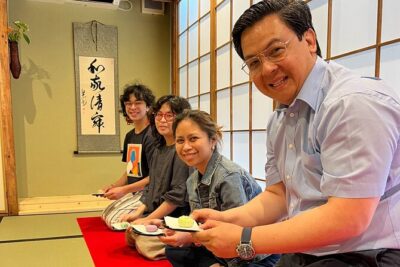
Nara’s famous temples, deer, and busy streets can fill a day quickly. This ceremony offers a different kind of hour: a chance to sit down in a traditional Japanese house and pay attention to small details. The setting is described as a 120-year-old farmhouse, and the experience centers on the atmosphere of the room as much as on the tea itself.
That matters because tea ceremony is not simply a lesson in making a drink. The tools, gestures, and etiquette all contribute to the ritual. In a quiet home, you can see and discuss these details at close range instead of trying to follow them in a large demonstration.
The session is presented as intimate, but the group information needs a little care. The activity title says a maximum of five people, while the general details say small groups are limited to six. Some bookings have been one-on-one or private for a family, but you should not assume you’ll have the host entirely to yourself. If a private session matters to you, check the group size for your chosen time before booking.
First, learn what the ceremony means
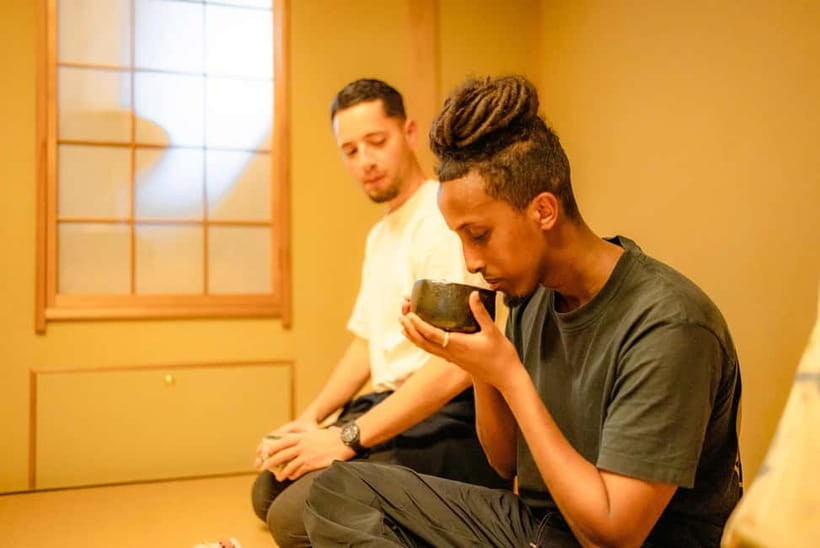
The host begins by explaining the background of the tea ceremony, its etiquette, and the utensils used. This is a useful way into the experience: the gestures make more sense when you know why they matter. You can ask questions as the process unfolds, rather than trying to memorize a set of formal steps without context.
Hosts named by people who have taken the class include Kurabi, Mike, Hasumi, and Tate. The exact host may depend on your session. The teaching style described across the experience is both informative and welcoming, with room for conversation and humor. That balance should suit you if you want cultural context without feeling you’ve signed up for a solemn examination.
The ceremony’s formalities are part of the lesson, but the tone need not be stiff. You’ll learn how the ritual is approached, what the tools are for, and how the steps fit together. If you’re curious about the philosophy behind the customs, this is a good time to ask. The host can explain the meaning behind the actions, not just show you what to do.
More tea ceremonies around Nara:
- World Heritage Kyoto & Nara Uji Authentic Matcha Experience
★ 5.0 · 1,573 reviews - Nara:5 Type of Tea Tasting & Mindful Tea Ceremony
★ 5.0 · 28 reviews - Nara:Tea Tasting&Private Tea Ceremony -Master Matcha Making-
★ 5.0 · 19 reviews
Taste matcha before you make it
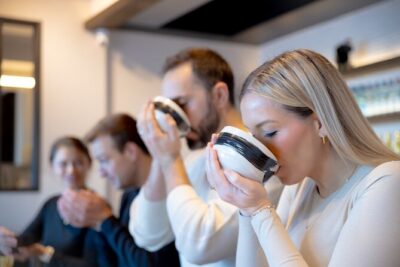
A particularly useful element is the chance to taste and compare single-origin matcha from Nara. The point is not just to drink tea, but to notice that matcha can vary in flavor. Trying more than one gives you a reference point before you prepare your own bowl and helps you work out what you enjoy.
Some sessions have also included other teas, and one participant was offered matcha from Uji as an extra recommendation. That should be treated as a possible addition, not a guaranteed part of every class. What is included is the guided preparation and serving of matcha, along with the chance to sample Nara matcha.
This tasting can sharpen your attention to the drink itself. You may begin to notice its aroma and taste more carefully, instead of thinking of matcha as a single, uniform flavor. If you already drink matcha, the comparison is still worthwhile: you can use the host’s explanations to connect what you taste with the tea’s origin and preparation.
Whisk your own bowl, with help at hand
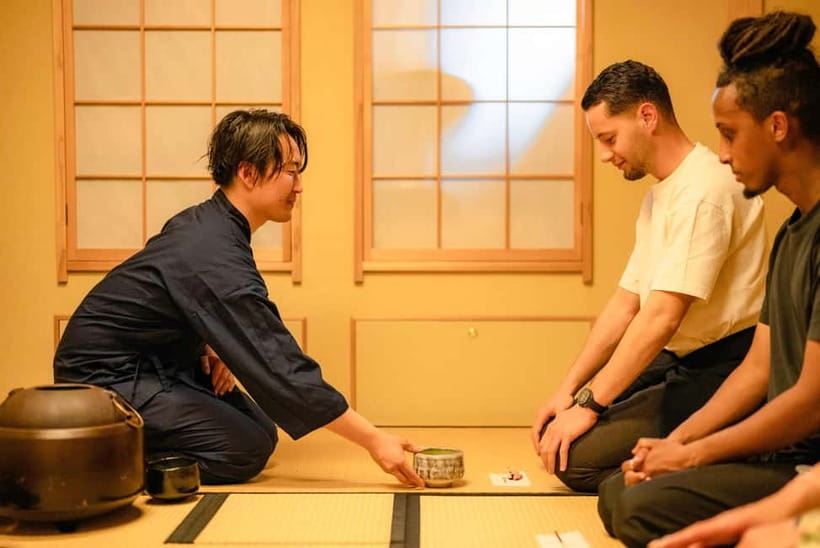
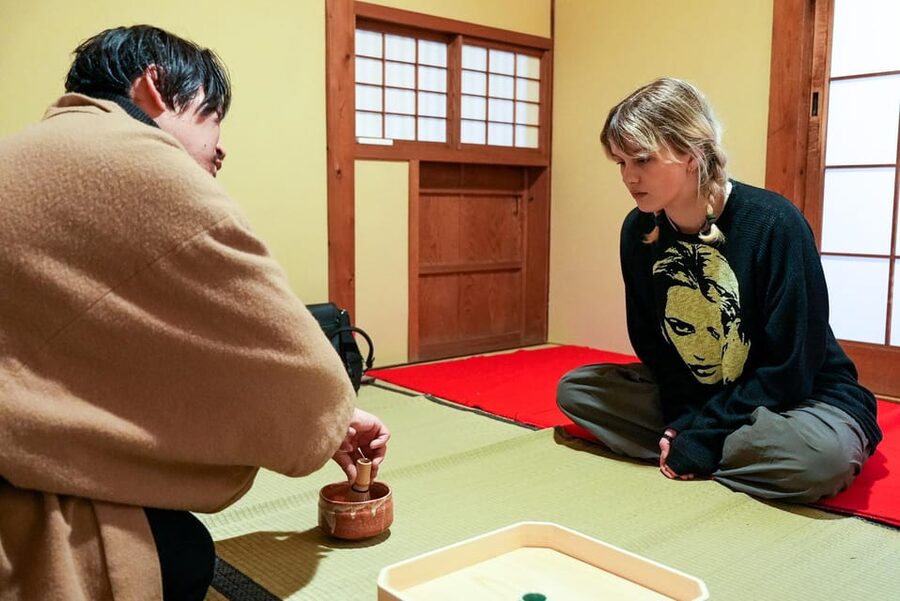
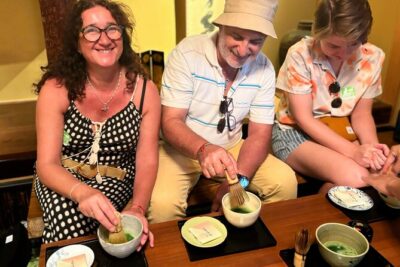
After watching the tea master prepare matcha, you get to try the technique yourself. The host guides you through the motions and can offer personalized feedback on your whisking. That hands-on turn is the heart of the class for many people: you leave having made the tea, rather than only having watched someone else do it.
Whisking takes a little coordination, and your first bowl may not look like the host’s. That is part of the appeal. You can ask how to improve the texture and watch how the master handles the whisk, then try again with those tips in mind. One host, Mike, has shared advice on making matcha creamy, a practical detail you can use when you make it at home.
The class is beginner-friendly in the sense that instruction is provided, and no prior experience is listed as a requirement. If you have made matcha before, you can still benefit from seeing a tea master’s technique and asking about the differences between teas. Keep your expectations realistic, though: an hour gives you a solid first practice, not the repeated training of a longer course.
Wagashi makes the tasting feel complete
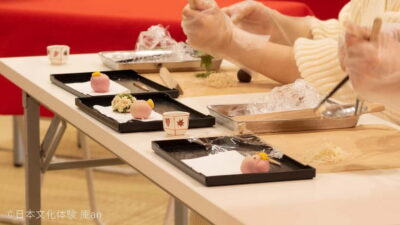
The session includes seasonal wagashi, traditional Japanese sweets served with the matcha. The sweet is not an incidental snack; it is part of the pairing and gives you another detail to notice as you taste. You can enjoy the contrast between the confection and the tea while the host explains the ceremony.
The precise sweet can vary with the season, and no particular wagashi is promised. That is a small but meaningful point: you’re getting a traditional seasonal accompaniment, not a fixed menu item. If you have dietary restrictions, the available details do not say whether alternatives can be provided, so ask the host in advance rather than counting on a substitution.
Same city, a different kind of day:
- Nara Half Day Trip Walking Tour (Private Option Available)
★ 5.0 · 937 reviews - Nara Early Morning Tour (Kyoto or Osaka Departure Available)
★ 5.0 · 676 reviews - Osaka: Nara and Uji Day Trip with Deer Park and Hot Spring
★ 4.4 · 302 reviews - Kyoto/Osaka: Kinkakuji, Bamboo Forest, and Nara Deer Park
★ 4.4 · 265 reviews
One hour, with local tips beyond the tea
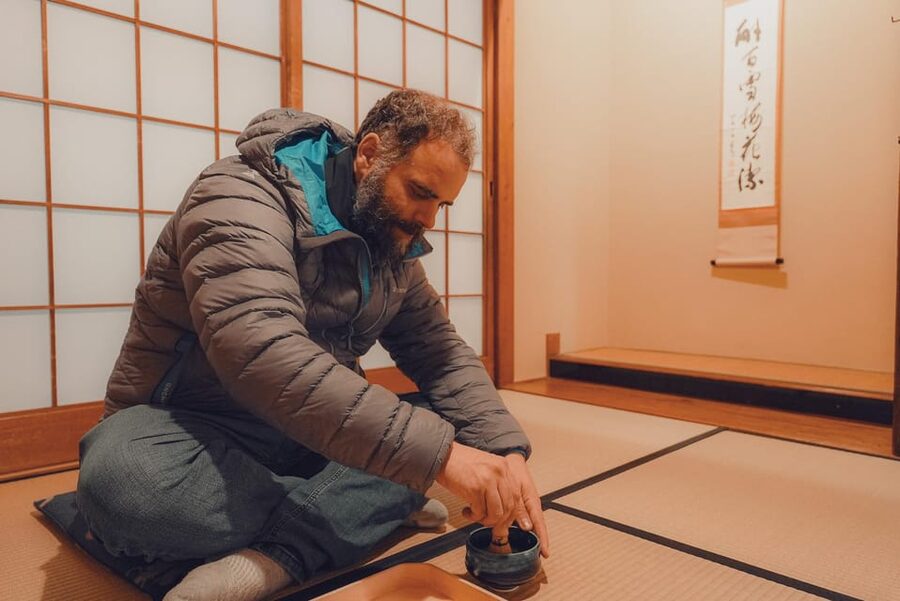
The scheduled duration is one hour, a convenient fit between sightseeing stops or as a calmer start to the day. The class combines explanation, demonstration, tasting, your own matcha preparation, and wagashi. It is a compact cultural activity, not a long ceremony or a full day of instruction.
A practical bonus is the chance to ask your host about Nara. Hosts have offered suggestions for restaurants, matcha cafés, places to buy tea and sake, and places to visit. Some have also helped with onward plans, such as finding a bus to Nara Park. These tips are not a formal sightseeing tour or guaranteed service, but a local host can be a useful person to ask while you’re already talking about tea and the town.
One guest described a walk through an older part of Nara before reaching the house, while another noted a walk of about ten minutes to the location. The route may depend on the meeting point and session, so don’t assume every booking includes a guided walk. Read your meeting instructions carefully. If the location is unclear, contact the provider rather than relying on a vague map pin.
Is $46 a fair price?
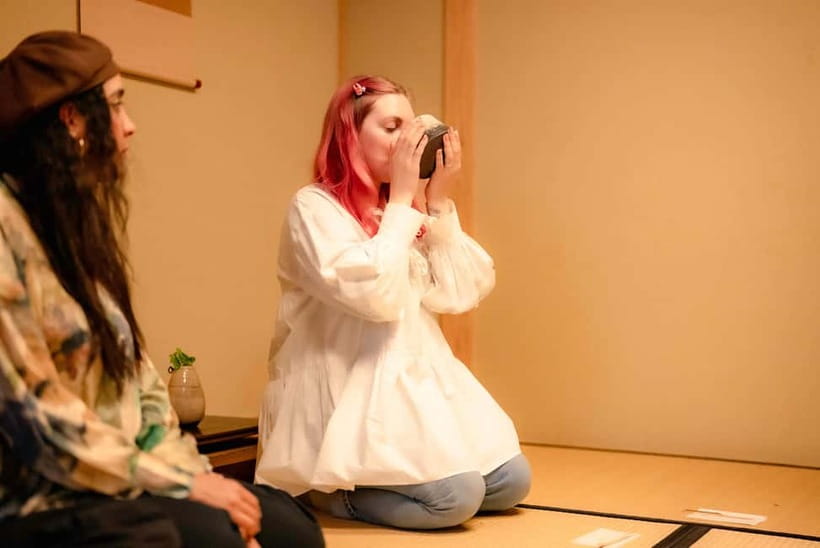
At $46 per person for an hour, this is not the cheapest way to have a cup of matcha in Japan. But the price covers more than a drink: you get instruction from a tea master, a cultural introduction, tasting, hands-on practice, and wagashi in a historic farmhouse. The value depends on whether you want to understand the ritual, not simply sample tea.
For a first tea ceremony, the combination makes sense. You have enough time to learn the basics, ask questions, and try the preparation yourself, while the small group format can make it easier to follow than a large demonstration. If you are mainly after a quick cup of matcha, a café will cost less and take less planning.
The activity also has practical booking flexibility: you can reserve now and pay later, and cancel up to 24 hours in advance for a full refund. Starting times depend on availability. Those terms are helpful if you are fitting the class into a changing itinerary, but the key decision is still whether an hour of close instruction is worth the cost for you.
Who will enjoy this ceremony most?
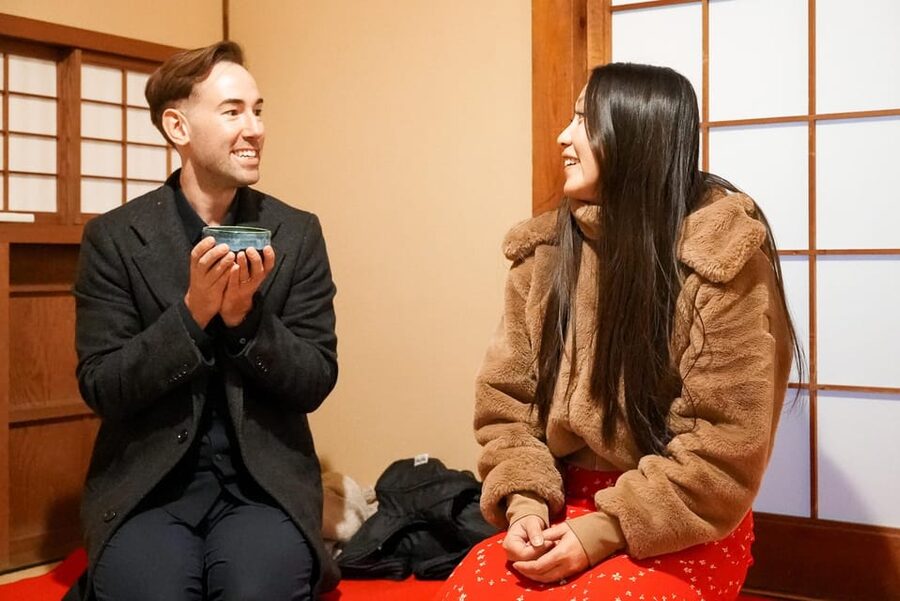
I’d recommend it to first-time visitors who want a direct, approachable introduction to Japanese tea culture. You’ll get context and a chance to try the skill yourself, without needing to commit half a day. It also suits tea drinkers who want to compare matcha and learn a better whisking technique.
Families and small parties may find the format appealing, especially if everyone wants to participate rather than sit through a lecture. Still, check the actual group size: the activity is described as small group, with a limit of six, while its title gives a maximum of five. The available information does not specify a minimum age or confirm that every session will be private for your party.
You may want to skip it if you’re short on time and only want a quick taste, or if you expect an extensive course in tea ceremony practice. This is an introduction with a hands-on component, not a certification class. For most curious visitors, that is a sensible balance.
Should you book it?
Book this if you want a calm, personal way to learn how matcha is prepared and why the tea ceremony uses its particular customs. The farmhouse, tasting, wagashi, and guided practice give the hour a clear shape, while the host’s local suggestions can help you make plans for the rest of your Nara visit.
Before you reserve, confirm the participant limit for your date and check the meeting instructions. If you’re looking for a full private ceremony or a long technical lesson, ask whether the session meets those expectations. If you want an engaging introduction in a traditional home, this is a well-focused use of an hour.
FAQ
How long is the tea ceremony experience?
The activity lasts one hour. Starting times depend on availability.
How much does it cost?
The listed price is $46 per person.
What language is the instruction in?
The instructor offers the experience in English or Japanese.
How many people can join?
The activity details describe a small group limited to six participants, while the title says a maximum of five. Check the group size for your selected session.
Do I get to make matcha myself?
Yes. The tea master guides you through preparing matcha and provides hands-on instruction and feedback.
Is wagashi included?
Yes. The experience includes traditional seasonal wagashi to enjoy with the matcha.
What does the lesson cover?
You’ll learn about tea ceremony history, etiquette, and traditional utensils, taste matcha, and practice preparing it.
Can I cancel for a refund?
You can cancel up to 24 hours in advance for a full refund.
Just added around Nara
- Nara: Write Your Own Name in Kanji (Japanese Calligraphy)★ 4.4 · 3 reviews
- Nara: Sake Tasting Tour at the Birthplace of Japanese Sake★ 4.9 · 8 reviews
- Nara: Private City Tour With A Local Guide★ 4.2 · 8 reviews
- Nara Heritage Walkabout from Nara Park to Todaji-ji temple★ 5.0 · 5 reviews
- Nara: Half-Day Private Tour of 4 Must-See Spots & Deer Park★ 5.0 · 3 reviews
- Nara: Full-Day Private Guided Tour★ 5.0 · 4 reviews
- Nara: Cultural Heritage Tour by Rickshaw★ 5.0 · 5 reviews
- Nara: Cooking class, learning how to make authentic sushi★ 5.0 · 5 reviews
Osaka Tea Ceremonies, compared.
World Heritage Kyoto & Nara Uji Authentic Matcha Experience
Read our review →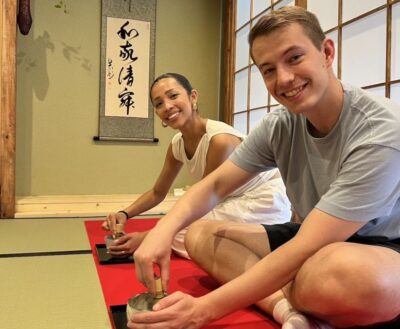
Matcha Making Class in Osaka with Authentic Japanese Sweets Set
Read our review →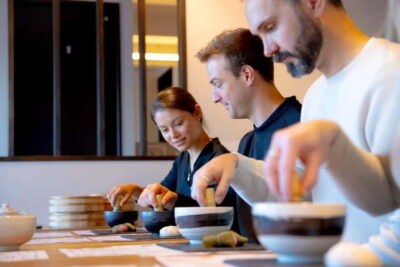
Japanese Traditional Sweets Making and Tea Ceremony
Read our review →
Osaka Temple Cool Foot Bath & Matcha Experience〈45min〉
Read our review →
Samurai Show, Tea Ceremony, Japanese Traditional Activities
Read our review →Browse the lists this tour appears in