
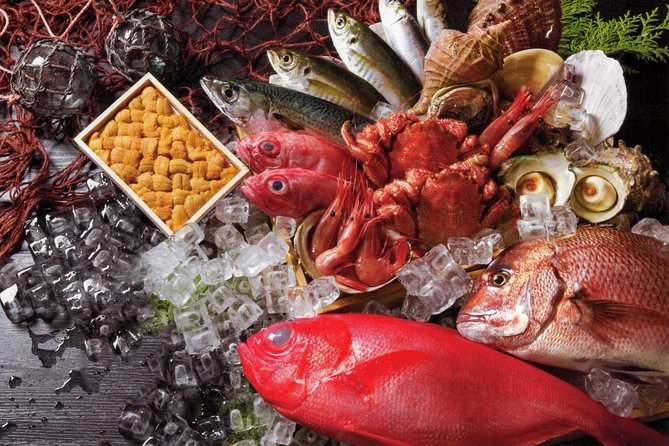
Reviewed · OSAKA FOOD TOURS
Deep Dive: Osaka Food Markets from Local to Luxurious!
Osaka’s food culture makes more sense when you see where people shop, not just where they eat. This private, four-hour walk links a polished department-store food hall with neighborhood markets, Korea Town, Kuromon Market and a street devoted to kitchenware.
I like the contrast between local shopping and visitor-facing food stalls, and the way a guide can explain the customs and history behind what you see. I also like that the route can be adapted to your interests: guides such as Ferdinand, Kevin, Thomas and Lito have helped guests focus on everything from food history to children’s interests.
One important caveat: the $91 price does not include food or transportation. The description mentions tastings, but samples and snacks are listed as extra, and one tour group left without eating. Treat this as a guided market walk, not a meal included in the ticket.
- Seven stops, not just one market: The route can include a department-store food hall, a local wet market, Japan’s longest covered shopping street, Korea Town, Kuromon Market, Doguyasuji and Namba.
- A private group: Only your party joins the activity, giving the guide room to answer questions and adjust the pace or focus.
- Four hours on foot: Expect a substantial amount of walking, with local transit costing about 330 yen per adult.
- Food is pay-as-you-go: Bring extra money if you want to buy snacks, meals or souvenirs.
- Useful for first-time food explorers: Your guide can explain what you are seeing and help with questions about dishes and customs.
From department-store elegance to neighborhood markets
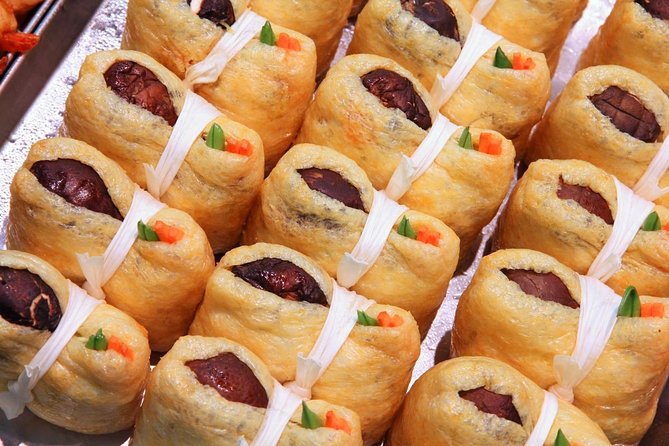
The tour’s strength is its range. In about four hours, you move between food settings that can feel worlds apart: an immaculate underground department-store hall, a working neighborhood market, a long shopping arcade, a Korean district and the better-known Kuromon Market. That variety gives you a more useful picture of Osaka’s food life than a single stop would.
The route has seven listed stops, though the tour description also sums up the experience as visits to four foodie locations. The itinerary may include additional shopping streets and a final look around Namba, depending on time. You begin at the McDonald’s in front of Temma Station and finish at Ebisu Bridge in Dotonbori. The endpoints make it easy to continue exploring Namba after the tour.
Your guide is the key to making the walk more than a string of shop windows. Guides named in past tour experiences include Ferdinand, Kevin, Thomas, Lito, Alejandro, Damian and Oshi. Their strengths have included explaining food and market history, helping guests communicate when ordering, and adapting the route to a family’s interests. The guide is a native or near-native speaker of your chosen language.
Takashimaya’s depachika shows food as display
The first stop is Takashimaya Osaka Store, where you see a depachika, the Japanese term for a department store’s underground food hall. Here, carefully arranged foods span Japanese and Western styles, from prepared dishes to raw ingredients. Even if you are not shopping, the displays offer a quick lesson in how presentation and quality are part of the food experience.
I like this as an opening because it gives you a polished counterpoint to the street markets ahead. The trade-off is that 20 minutes is a brief look, not time for a full meal or a long browse. If a particular food catches your eye, remember that purchases are your responsibility.
More food tours around Osaka:
- Osaka: Shinsekai Food Tour with 13-15 Dishes at 5 Eateries
★ 4.8 · 2,204 reviews - Osaka Food Tour: 13 Dishes at 5 Local Eateries
★ 5.0 · 2,149 reviews - Hungry Osaka Street Food Tour:15 Tastings & 3 Drinks with a Local
★ 5.0 · 1,727 reviews
Pulala Tenma brings you closer to everyday shopping
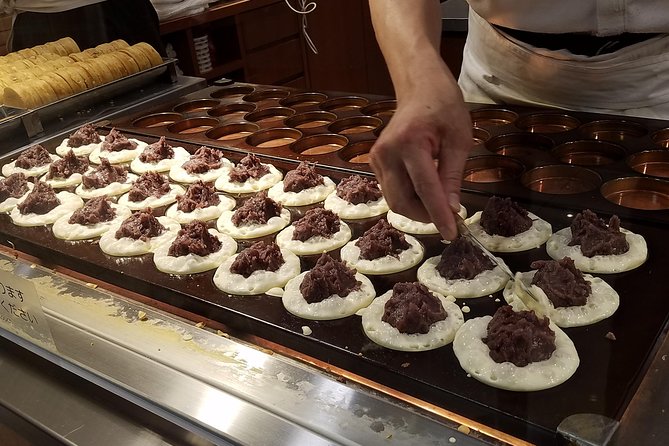
At Pulala Tenma, the focus shifts to a local wet market. Seafood, meat and vegetables show the building blocks of home cooking, and your guide can explain how ingredients fit into Osaka’s food habits. This is less about a famous dish and more about seeing the things people buy before they become dinner.
That distinction matters. A market walk can help you recognize ingredients and understand how a food culture works, even if you do not taste anything. Allow yourself time to look closely, but keep in mind that the itinerary allots about 30 minutes here.
Tenjinbashi-suji connects food with daily life
The tour then visits Tenjinbashi-suji Shopping Street, described as Japan’s longest covered shopping street. The arcade gives you a sense of how shopping streets serve local residents, not only people out sightseeing. Your guide also takes you into a supermarket and explains what makes it distinctly Osaka.
For many visitors, a supermarket is an unexpectedly useful stop. Labels, packaged foods and everyday products can tell you as much about local habits as a restaurant menu. This is a good place to ask questions while you have a guide beside you, especially if you want help understanding a product or finding something to try later.
The stop is scheduled for about 40 minutes. If your main goal is nonstop eating, this stretch may feel less exciting than a food stall. If you want context for how people shop and cook, it adds a practical layer to the day.
Tsuruhashi gives the route a Korean influence
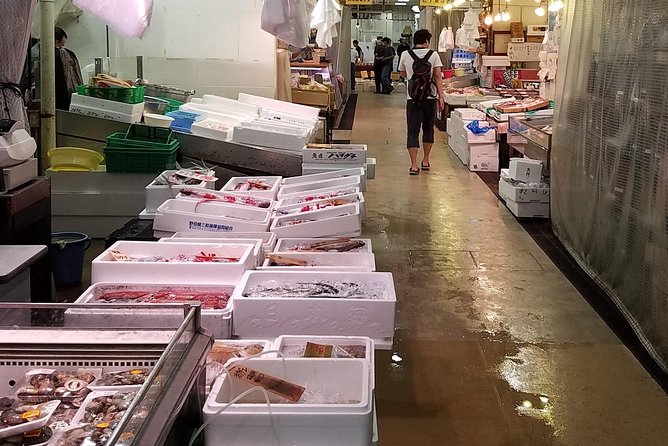
Osaka Tsuruhashi Ichiba takes you into one of the city’s busiest and most interesting Korea Town areas. Food is part of the visit, but so are clothing and other goods that reflect the neighborhood’s cultural identity. You may find a snack to buy here, but the value is also in seeing a side of Osaka you might not put on your own short itinerary.
This stop can broaden the tour beyond Japanese food. Guides have explained Japanese, Chinese and Korean cultural influences, and one family’s guide adjusted the outing around children interested in mochi and gaming. That kind of flexibility is worth asking about when you book, though the exact route and stops are not guaranteed to match every group’s interests.
You have roughly 30 minutes here. If Korean food is a priority, tell your guide early so you can use the stop well. Do not assume a tasting is included in the tour price.
More food and drink stops around Osaka:
- Hungry Osaka Street Food Tour: 15 Dishes & 3 Drinks
★ 4.9 · 694 reviews - Kuromon Market Food Walking Tour in Osaka (6 stops, 6 tastes)
★ 5.0 · 550 reviews - Osaka: Guided Food Tour with 12 Dishes at 4 Local Eateries
★ 5.0 · 533 reviews - Absolute Osaka Food Tour
★ 5.0 · 309 reviews
Kuromon Market is a showpiece, with higher prices
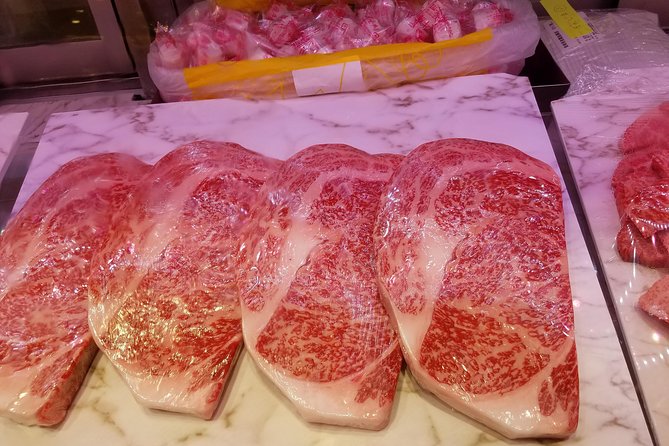
Kuromon Market is the most familiar name on the route and a major draw for visitors. The stalls offer plenty to look at, and the stated appeal is clear: the sights are impressive and the food quality is considered strong. At the same time, prices here can run high.
That price difference is useful to understand rather than avoid. Kuromon lets you see the market at its most visitor-facing, while earlier stops show other forms of shopping. You can choose to buy a snack or simply take in the displays. The scheduled visit is about 25 minutes, so decide what interests you before you arrive.
The word tastings can set the wrong expectation here. Food and snacks are not included, and the experience does not promise a set of complimentary samples. You may have chances to purchase food along the way, but budget for those separately.
Doguyasuji is for cooks, shoppers and curious browsers
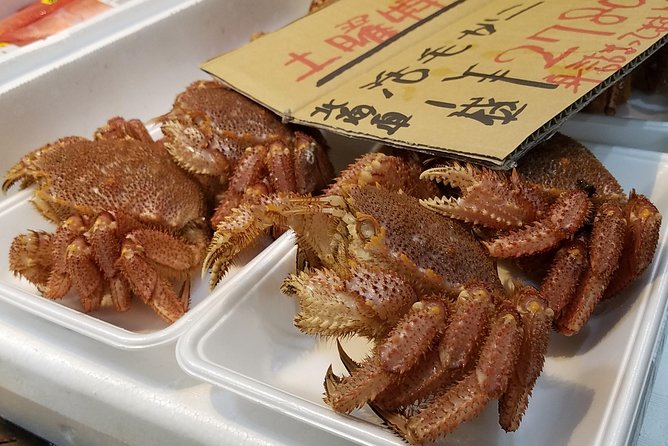
Sennichimae Doguyasuji Shopping Street trades ingredients for the tools used to prepare and serve them. You can browse Japanese cooking knives, ceramics, serving dishes, tea cups, lacquer chopsticks and wax models of sushi. It is a fun stop even if you are not planning to buy anything, because the displays show how much attention goes into food presentation.
If you are considering a knife or other kitchen item, use the guide to ask questions before you buy. The stop is about 25 minutes, so it is not a long shopping session. You will also need to carry any purchases for the rest of the walk.
Namba and Dotonbori make a convenient finish
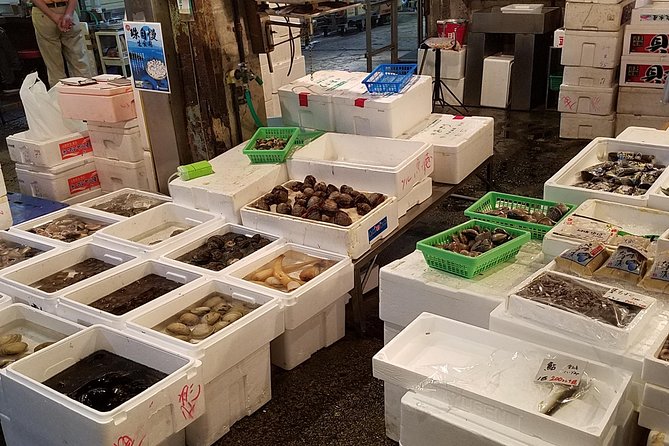
The final stop is Minami, the Namba area, with time to explore some of the main sights around Namba and Dotonbori. The tour ends at Ebisu Bridge, putting you in a central spot to keep exploring, find a meal or head onward.
The timing is flexible: the itinerary says the guide will use any remaining time for this area. That means the amount of time here can depend on how the earlier stops go. If you have a specific shop or sight in mind, mention it to your guide rather than assuming you will have time at the end.
What $91 buys, and what it does not
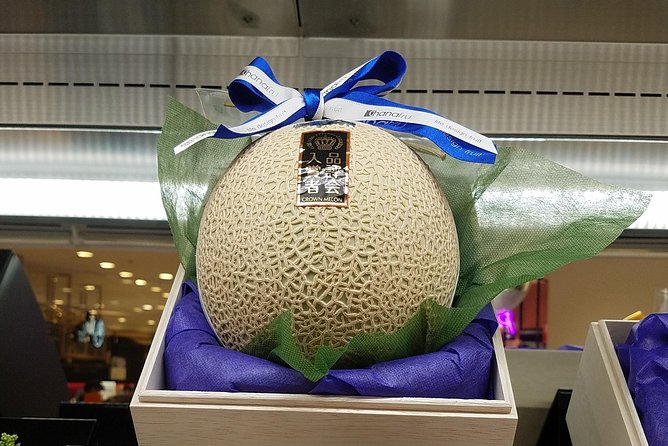
At $91 per person, you are paying mainly for a private guide and a guided introduction to several distinct parts of Osaka’s food-shopping scene. That can be good value if you want context, have questions, or would find it hard to navigate the markets and cultural neighborhoods on your own. The 4.8 rating and 97 percent recommendation figure are encouraging, but they come from a relatively small set of 31 ratings, so consider them a helpful signal rather than a guarantee.
The price does not include local transportation, food, refreshments, snacks or souvenirs. Budget about 330 yen per adult for transportation, plus whatever you want to spend on food. A three-star assessment of the experience called it expensive for what it included, especially because food and transit were extra. That is a fair concern if you expect a guided tasting menu.
To judge the cost, think of the tour as a private orientation rather than a bundled eating experience. You are paying for explanations, navigation and access to a range of places in one half-day. If you would rather spend $91 on a large meal or a tour with food included, this may not be the right fit.
Walking, timing and who will enjoy it most
This is a walking tour with a moderate amount of walking, and the full route covers several areas. One past outing was described as a lot of walking, especially in hot weather. Wear comfortable shoes, and be realistic about the four-hour duration if you are bringing young children. Children must be accompanied by an adult.
You can choose a morning or afternoon departure. That choice helps fit the tour into your plans, but the supplied information does not specify meal timing or promise that you will stop to eat. If you want a proper breakfast or lunch, plan it separately.
Because the activity is private, only your group participates. That is a practical advantage: you can ask questions freely, move at a pace that suits your party, and tell the guide what you care about. Past guides have tailored visits for families and individual interests, and some have helped translate when guests wanted to try particular foods.
The tour suits curious eaters, market fans and first-time visitors who want to understand more than restaurant menus. It is also a good fit if you enjoy everyday shopping and cultural context. It is less suitable if you want a low-cost tour, minimal walking or guaranteed food samples.
Should you book this Osaka market walk?
Book it if you want a private, guided introduction to how Osaka shops and eats, and you value the stories behind the ingredients as much as the food itself. The shift from Takashimaya’s polished food hall to Tsuruhashi’s Korean district and Kuromon’s visitor-friendly stalls gives the day a satisfying range.
Skip it, or compare it with a food tour that includes a meal, if you want tastings built into the price. Bring money for snacks and transit, and tell the guide what you hope to see. For the right person, the real payoff is leaving with a better sense of where to shop, what to ask about and how to find your way through Osaka’s food scene on your own.
FAQ
How long is the tour?
It lasts about four hours.
How much does the tour cost?
The listed price is $91 per person.
Is food included in the price?
No. Food, samples, snacks, refreshments and souvenirs are not included. You can buy food during the tour at your own expense.
Is transportation included?
No. Local transportation is listed at 330 yen per adult.
Where does the tour start and end?
It starts at the McDonald’s in front of Temma Station and ends at Ebisu Bridge in Dotonbori.
Is this a private tour?
Yes. Only your group participates.
Can I choose a morning or afternoon tour?
Yes. The tour offers a choice of morning or afternoon departure.
What places does the tour visit?
The listed stops include Takashimaya Osaka Store, Pulala Tenma, Tenjinbashi-suji Shopping Street, Osaka Tsuruhashi Ichiba, Kuromon Market, Sennichimae Doguyasuji Shopping Street and Minami in Namba.
Is the tour suitable for children?
Children can participate but must be accompanied by an adult. The tour involves a moderate amount of walking, so consider that when bringing young children.
What is the cancellation policy?
You can cancel for a full refund if you do so at least 24 hours before the experience’s start time. Cancellations or changes made less than 24 hours in advance are not accepted.
More food experiences around Osaka
- Osaka Local Foodie Walking Tour in Dotonbori and Shinsekai
★ 5.0 · 985 reviews - Osaka: Kuromon Market Food Walking Tour (6 stops, 6 tastes)
★ 4.6 · 272 reviews - Osaka After Dark: Small-Group Night Food Tour (Max 6)
★ 4.5 · 245 reviews - Eat, Drink & Cycle: Osaka Foodie Bike Tour
★ 5.0 · 224 reviews
Just added around Osaka
- Mount Koya from Osaka: Cultural Small Group Day Tour★ 5.0 · 3 reviews
- Matcha Tea Bowl Experience in Osaka★ 5.0 · 11 reviews
- Manno: Osaka Premium Wagyu BBQ Experience Reservation★ 5.0 · 4 reviews
- Master Washoku: 5 Core Techniques for Authentic Cooking★ 4.7 · 7 reviews
- Learning Shodo with a kimono and Trying Samurai Calligraphy★ 4.2 · 7 reviews
- Katsu Curry OR Bento Making Cooking Class & Local Shop Tour★ 4.9 · 11 reviews
- Himeji: Private Guide Tour of the Castle from Osaka or Kyoto★ 4.5 · 7 reviews
- Osaka and Nara Customized Private tour with English Driver★ 4.7 · 4 reviews
Osaka Food Tours, compared.
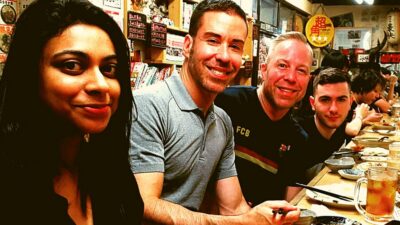
Shinsekai Food Tour with 13-15 Dishes at 5 Eateries
Read our review →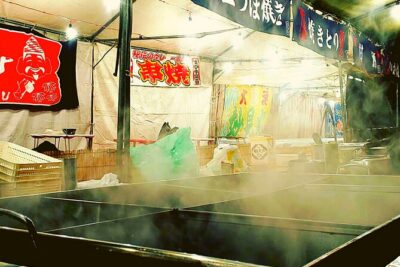
Osaka Food Tour: 13 Dishes at 5 Local Eateries
Read our review →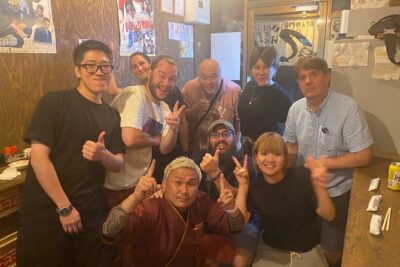
Hungry Osaka Street Food Tour:15 Tastings & 3 Drinks with a Local
Read our review →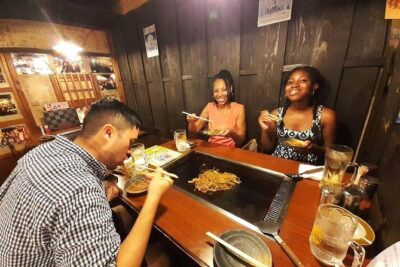
Osaka Local Foodie Walking Tour in Dotonbori and Shinsekai
Read our review →
Hungry Osaka Street Food Tour: 15 Dishes & 3 Drinks
Read our review →
Kuromon Market Food Walking Tour in Osaka (6 stops, 6 tastes)
Read our review →
Guided Food Tour with 12 Dishes at 4 Local Eateries
Read our review →
Five Must-See Highlights Walking Tour & Ramen Lunch
Read our review →Browse the lists this tour appears in