
Reviewed · KOYASAN TOURS
Mount Koya from Osaka: Cultural Small Group Day Tour
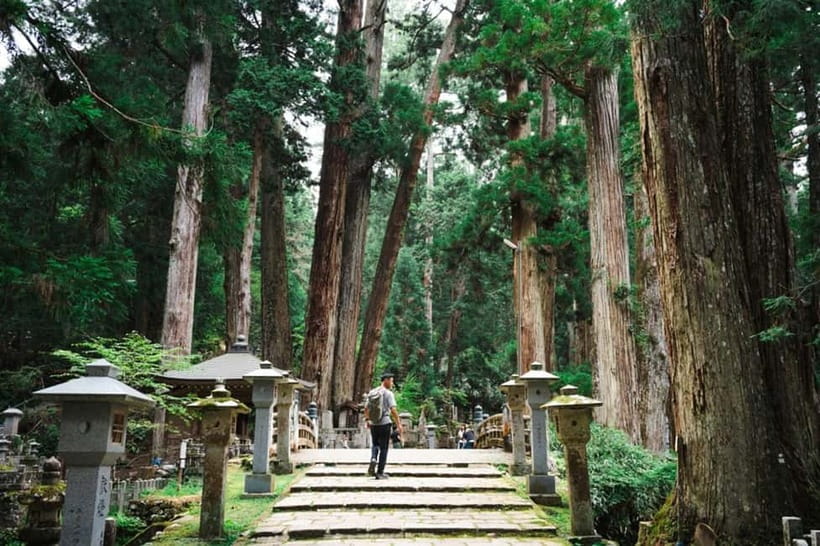
The most affecting part of a Mount Koya day is the walk through Okunoin Cemetery, where a stone path runs beneath ancient cedars toward the mausoleum of Kobo Daishi. This is no ordinary sightseeing stop: the quiet and scale of the cemetery give the mountain’s spiritual life room to register.
I like two things about this tour’s design: it pairs the cemetery with a Shojin Ryori lunch and sutra copying, so you encounter Buddhist practice as well as its monuments, and it includes an English-speaking guide to help explain what you’re seeing. One consideration is the long, 12-hour schedule, with plenty of walking and a minimum of four participants required.
What makes this Mount Koya day worth considering
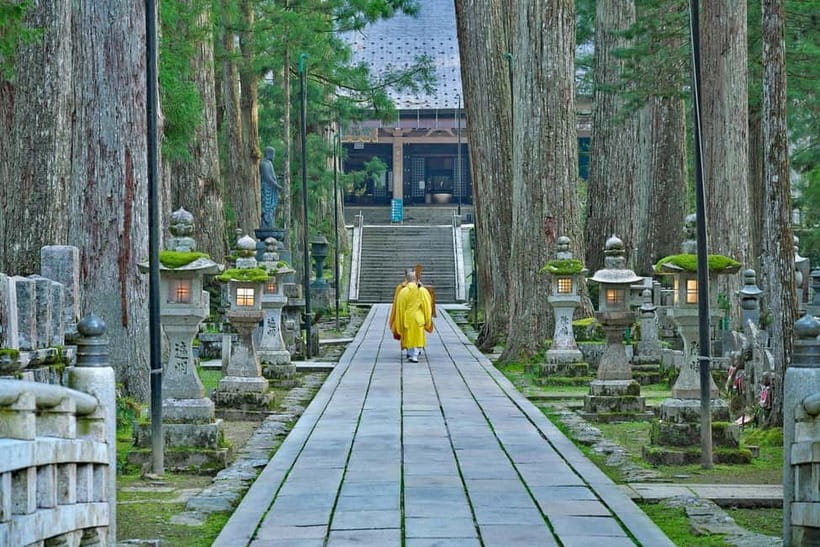
- Okunoin’s cedar-lined path: Walk among thousands of moss-covered tombstones on the way to Kobo Daishi’s mausoleum.
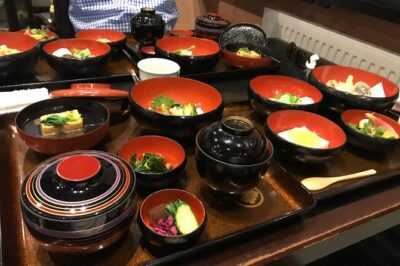
- A vegetarian Buddhist meal: Shojin Ryori is prepared without meat, fish, or strong seasonings, with seasonal vegetables at its heart.
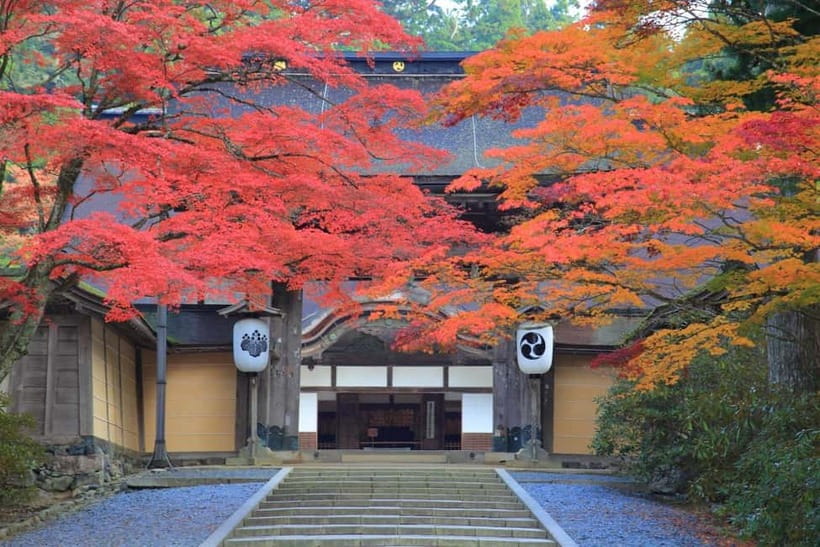
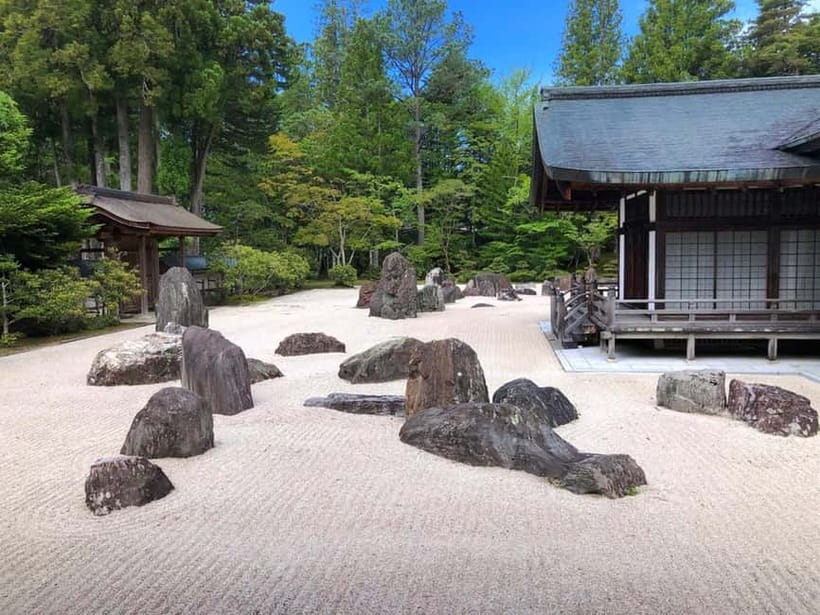
- Kongobuji’s rock garden: See Banryutei, described as Japan’s largest Zen garden, along with traditional ink paintings on sliding doors.
- A chance to take part: The included sutra copying session offers a quieter, hands-on way to engage with Buddhist practice.
- A full circuit of Koyasan: Danjo Garan and Reihokan Museum add temple architecture and museum time to the day’s cemetery visit.
Leaving Osaka for a sacred mountain
The day begins with pickup at the front entrance of your hotel in central Osaka. From there, you travel to Koyasan in a private, comfortable vehicle. That arrangement saves you the work of piecing together transport for a distant mountain visit, and it gives the guide time to introduce the history and significance of the place before you arrive.
This is a substantial excursion, not a quick side trip. The advertised duration is 12 hours, including the drive, guided visits, lunch, and activities. The exact departure time depends on availability, so check the start times before choosing a day. The tour requires at least four participants; if fewer people join, it will be cancelled.
An English-speaking guide leads the tour, and Japanese is also listed as a tour language. A verified Dutch booking from November 2025 praised the guide’s historical explanations, which is a useful sign of what a strong guide can add here: temples and Buddhist customs become easier to follow when someone connects the details to the place’s religious purpose. No guide’s name is provided, so you cannot request a particular person.
More Koyasan trips around Osaka:
- Koyasan: A Mysterious Meditation Journey
★ 3.8 · 5 reviews - Koyasan Full-Day Private Tour
★ 5.0 · 27 reviews - Koyasan: Half-Day Guided Tour of Okuno-in & Key Temples
★ 5.0 · 7 reviews
Okunoin: a quiet walk among cedar trees and tombstones
Okunoin is the emotional center of the day. The cemetery is Japan’s largest and most revered, and its stone-paved path passes beneath towering cedars and among thousands of tombstones, many covered in moss. The route leads to the mausoleum of Kobo Daishi, the founder of Shingon Buddhism, who is believed to remain in eternal meditation.
The stop is scheduled for about 1.5 hours, including a guided visit and walk. That gives you more than a photo pause, but it is still a timed group visit. Take your time where you can, listen to the guide, and be ready to walk at the group’s pace.
The mood here is quiet and reflective. You are in a cemetery as well as a religious site, so a low voice and respectful behavior matter. The setting’s power comes less from a single landmark than from the long approach, the trees, the rows of stones, and the belief associated with Kobo Daishi’s mausoleum. If you want a fast, high-energy attraction, this may not be your favorite stop. If you value stillness and a sense of place, it could be the day’s most memorable hour.
Shojin Ryori: lunch as part of the lesson
The 75-minute lunch is more than a break between temple visits. Shojin Ryori is a traditional Buddhist meal made without meat or fish and without strong seasonings. It emphasizes seasonal vegetables and simple preparation, reflecting values of harmony, compassion, and gratitude.
That makes the meal a useful window into the religious culture you are visiting. Rather than treating food as a separate convenience, the tour makes it part of the day’s learning. A Dutch participant in a verified booking singled out the traditional lunch as one of the day’s worthwhile experiences, alongside the cemetery and sutra copying.
There is a practical caveat: special dietary substitutions are not included. If you have dietary needs beyond the meal’s stated meat-free and fish-free approach, do not assume the menu can be altered. Check with the provider before booking if that could affect your ability to eat the lunch.
Kongobuji Temple and Banryutei’s stone garden
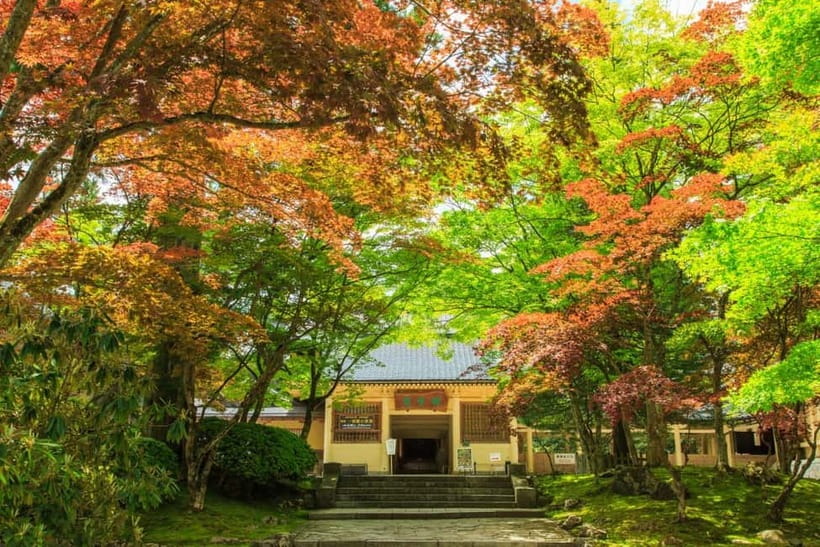
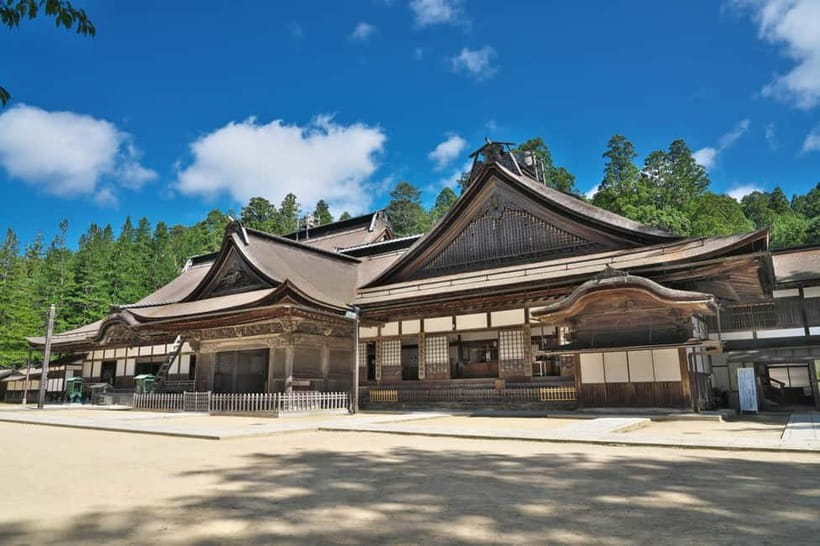
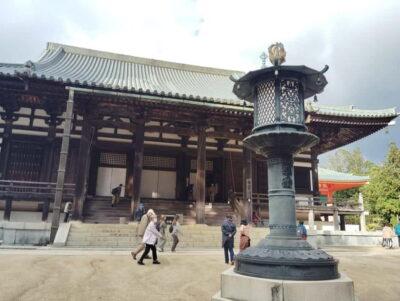
Kongobuji is the head temple of Shingon Buddhism, and the visit shifts the focus from outdoor solemnity to temple interiors and art. Look for the sliding doors, or fusuma, decorated with traditional ink paintings. The guide can help you notice the imagery and explain the temple’s role, rather than leaving you to puzzle over the rooms on your own.
The scheduled guided temple visit is about 45 minutes. The day also sets aside 75 minutes for lunch at the Kongobuji stop, though the precise sequence of meal and temple time may vary. Together, these visits offer a change of pace after Okunoin: a closer look at decorative detail, religious architecture, and the way a major temple functions.
Banryutei is described as Japan’s largest rock garden. Its arrangement represents dragons emerging from clouds. The design rewards a slower look: rather than treating it as a garden to cross, pause to take in how stones and open space suggest movement and form. If you have visited many Japanese temples, the garden’s scale and symbolism give this stop a distinct point of interest.
More trips and experiences around Osaka:
- Osaka Go Karting Tour with Funny Costume
★ 5.0 · 2,658 reviews - Osaka Castle: Museum and Tower Entry Ticket
★ 4.5 · 2,380 reviews - Osaka: Shinsekai Food Tour with 13-15 Dishes at 5 Eateries
★ 4.8 · 2,204 reviews - Osaka Food Tour: 13 Dishes at 5 Local Eateries
★ 5.0 · 2,149 reviews
Sutra copying: a slower, hands-on hour
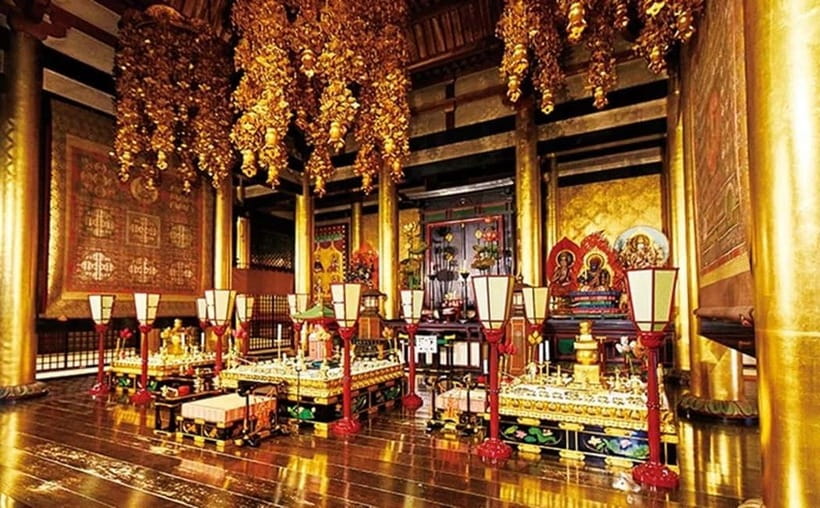
The tour includes a Shakyo, or sutra copying, experience. Instead of only hearing about Buddhist practice, you sit down to copy sacred text, a task intended to encourage concentration and meditation. The itinerary allocates two hours for a class, so this is not a brief demonstration squeezed between bus stops.
You do not need to arrive as a calligrapher. The point is the deliberate act of copying, not producing a perfect page. In a day full of walking and sightseeing, the session offers a different kind of attention: quieter, more focused, and less about covering ground.
The tour information also describes the possibility of observing a Goma fire ritual, depending on temple availability. However, the included activity is sutra copying, so do not book on the assumption that you will see the fire ceremony. If that ritual is especially important to you, ask the provider what is planned for your date.
Danjo Garan and Reihokan Museum
Danjo Garan is a symbolic temple complex of pagodas, statues, and halls arranged in a mandala-like pattern. It broadens the day beyond the cemetery and Kongobuji, showing Koyasan as a network of religious sites rather than a single temple. The arrangement itself is part of the meaning, so it helps to have the guide explain how the complex fits into the mountain’s spiritual plan.
The tour also includes the Reihokan Museum, with about 1.5 hours allocated for a guided visit. The information provided does not specify which objects or galleries you will see, and museum displays can vary, so it is best not to expect a particular artifact. Think of this as time to look more closely at the area’s religious and cultural collections after seeing the sites themselves.
These stops make the day feel complete, but they also contribute to its packed schedule. You will move between several distinct places and activities, not spend the whole day in one contemplative setting. If you prefer to linger wherever you like, an independent overnight stay in Koyasan may offer more freedom. If you want an organized introduction in one day, the variety is a strength.
The $251 price: what you are paying for
At $251 per person, this is a significant day-trip expense. Its value rests on the combination of private transport from central Osaka, an English-speaking guide, a traditional lunch, and a broad program that includes Okunoin, Kongobuji, Danjo Garan, Reihokan, and sutra copying. Arranging each element independently would take planning, and the long drive makes transport support especially useful.
The price is most compelling if you want context and structure, not merely a ride to Koyasan. The guide’s historical explanations can help connect the cemetery, temple complex, and Buddhist practices into a coherent day. The traditional meal and sutra session also add experiences that a simple transport-and-sightseeing package might not provide.
There are limits to weigh. The schedule is long, the walk is substantial, and the group must reach a minimum of four participants. The tour information does not spell out all admission charges, so confirm what entry costs are covered before booking if that detail matters to your budget. Souvenirs and personal purchases are not included.
Practical details before you book
Wear comfortable shoes and clothes. The tour involves a fair amount of walking, especially at Okunoin, and the mountain can be cooler than Osaka, so bring an extra layer suited to the forecast. Cash is recommended, useful for personal purchases such as incense or prayer beads during the free time before returning to Osaka.
Pickup is included from central Osaka hotels. Wait at your hotel’s front entrance at the stated pickup time. Food is not allowed in the vehicle, and smoking, pets, alcohol, and drugs are not permitted during the tour; alcoholic drinks are specifically prohibited in the vehicle as well.
This outing is not suitable for people with mobility impairments, babies under one year, or people over 95. If you have difficulty walking for extended periods, the cemetery path and the day’s multiple stops could make the schedule uncomfortable. Free cancellation is available up to 24 hours in advance for a full refund, and reserve-now, pay-later booking is offered.
Should you book this Mount Koya tour?
Book it if you want a guided, full-day introduction to Koyasan that balances famous religious sites with a Buddhist meal and a participatory activity. The most persuasive reasons are the walk through Okunoin, the guide’s historical context, and the chance to copy a sutra rather than only observe from a distance.
Think twice if you want a flexible day, need a relaxed pace, have mobility concerns, or cannot manage a long outing with considerable walking. Also check the details of lunch substitutions and what admissions are covered before paying. For a traveler based in Osaka who wants to see several sides of Mount Koya without arranging the transport and visits alone, the tour offers a thoughtful and well-filled day for its price.
FAQ
How long is the tour?
The tour lasts 12 hours, including travel from Osaka, visits, lunch, and activities.
Where does pickup take place?
Pickup is included at hotels in central Osaka. Wait at the front entrance of your hotel at the pickup time.
What languages are available?
English and Japanese are listed as tour languages. The tour includes a professional English-speaking guide.
Is lunch included?
Yes. The tour includes a traditional Shojin Ryori lunch, prepared without meat, fish, or strong seasonings. Special dietary substitutions are not included.
Is sutra copying included?
Yes. The included activity is a Shakyo, or sutra copying, experience.
Will I see a Goma fire ritual?
The Goma fire ritual may be available depending on temple availability. Sutra copying is the activity listed as included, so confirm with the provider if seeing Goma is important to you.
How much walking should I expect?
The tour involves a fair amount of walking, including a guided walk at Okunoin Cemetery. Comfortable shoes are recommended.
What should I bring?
Bring comfortable shoes, comfortable clothes, and cash. Mountain weather can be cooler, so dress accordingly.
Who is the tour not suitable for?
It is not suitable for people with mobility impairments, babies under one year, or people over 95.
Just added around Osaka
- Matcha Tea Bowl Experience in Osaka★ 5.0 · 11 reviews
- Master Washoku: 5 Core Techniques for Authentic Cooking★ 4.7 · 7 reviews
- Manno: Osaka Premium Wagyu BBQ Experience Reservation★ 5.0 · 4 reviews
- Learning Shodo with a kimono and Trying Samurai Calligraphy★ 4.2 · 7 reviews
- Katsu Curry OR Bento Making Cooking Class & Local Shop Tour★ 4.9 · 11 reviews
- Himeji: Private Guide Tour of the Castle from Osaka or Kyoto★ 4.5 · 7 reviews
- Osaka and Nara Customized Private tour with English Driver★ 4.7 · 4 reviews
- Osaka/Kyoto: Arashiyama, Nara Park, Fushimi Shrine Tour★ 4.1 · 13 reviews
Koyasan Tours, compared.
Browse the lists this tour appears in