
Reviewed · OSAKA TEA CEREMONIES
Matcha Tea Bowl Experience in Osaka
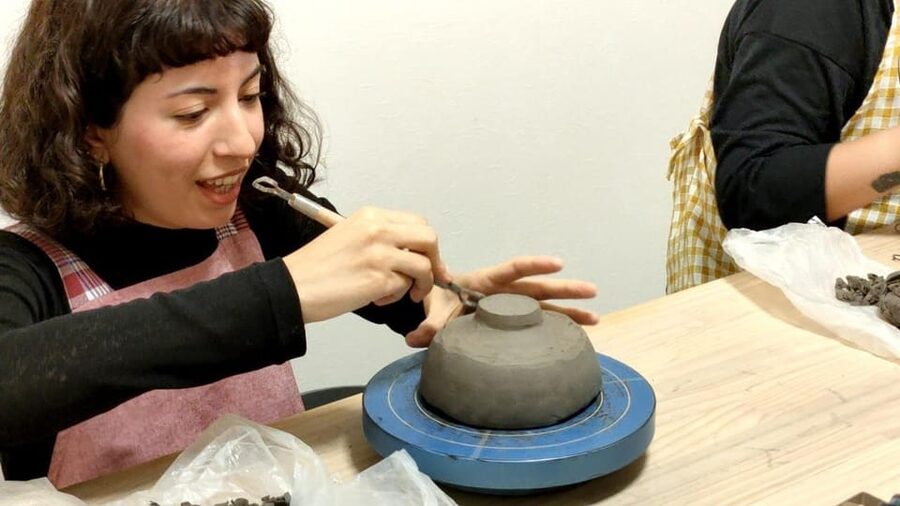
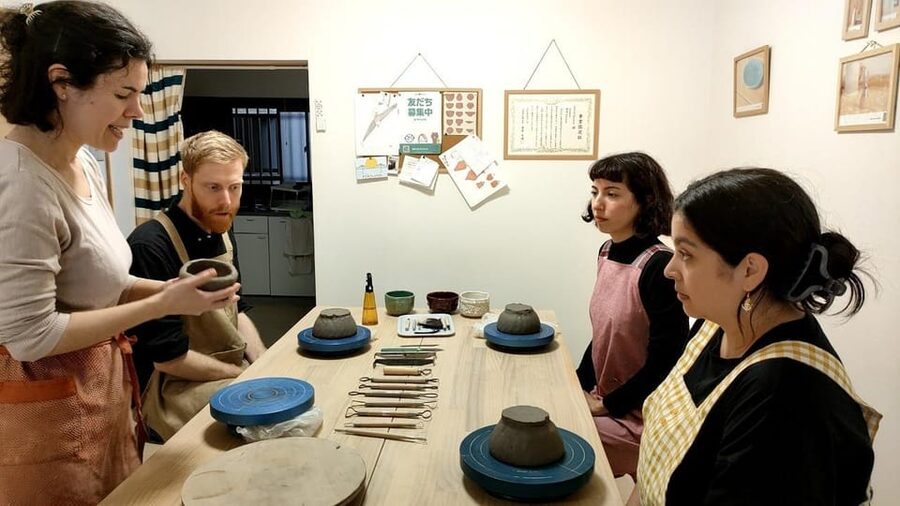
The heart of this Osaka workshop is a bowl you carve and decorate yourself. Ceramist Anna teaches the kurinuki technique, shaping character into clay with carving tools, then explains how a matcha bowl is used in Japanese tea culture. Your work will be finished after the session and shipped to you, so this is a hands-on souvenir, not a take-it-home-today one.
I like two things especially: the personal guidance from Anna, who studied ceramics in Osaka, and the way the craft lesson connects to the tea ceremony instead of treating pottery as a stand-alone activity. You also get a drink, a ceramic gift, and, if you choose the combined option, an introduction to preparing matcha with tea ceremony teachers Kiyomi and Masako.
The main consideration is time and shipping. Set aside 90 minutes to two hours, and remember that the bowl arrives about two months later, with postage extra. The studio is not wheelchair-adapted, and the activity is not suitable for children under six.
- Carve a bowl with kurinuki: Use tools to create a one-off surface and a wabi-sabi character.
- Learn with Anna: The ceramist studied in Osaka and guides you through the process, with no prior experience needed.
- Connect pottery to tea culture: Hear how the chawan, or matcha bowl, is used in the tea ceremony.
- Choose a bowl color: Make this choice near the end of the session, then have the finished bowl shipped to you.
- Add a tea ceremony lesson: The optional combined workshop includes matcha preparation with tea ceremony masters Kiyomi and Masako.
- Meet at Teradacho Station: The pickup point is the north exit of JR Teradacho Station, where the team carries a Ceramics Tocoton sign.
A Bowl With Its Own Character
A matcha bowl is not just a container. In a tea ceremony, it is part of the experience: you hold it, turn it, and pay attention to its shape and finish as you drink. Making one yourself gives you a more tangible way to understand that role than simply seeing a bowl in a shop or museum.
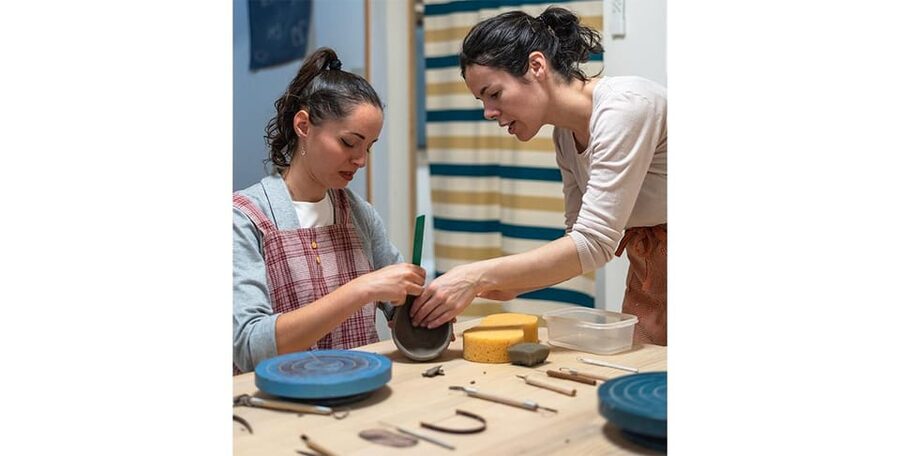
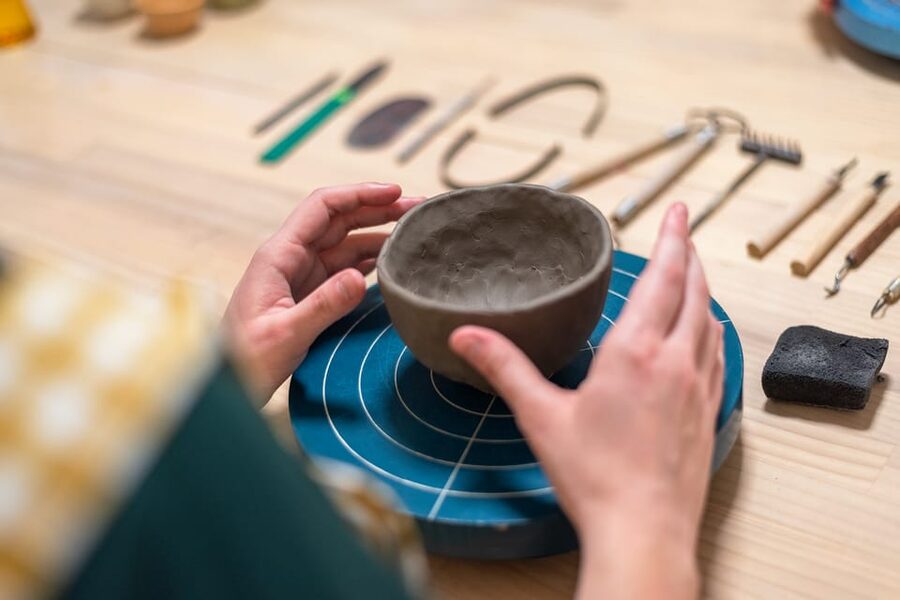
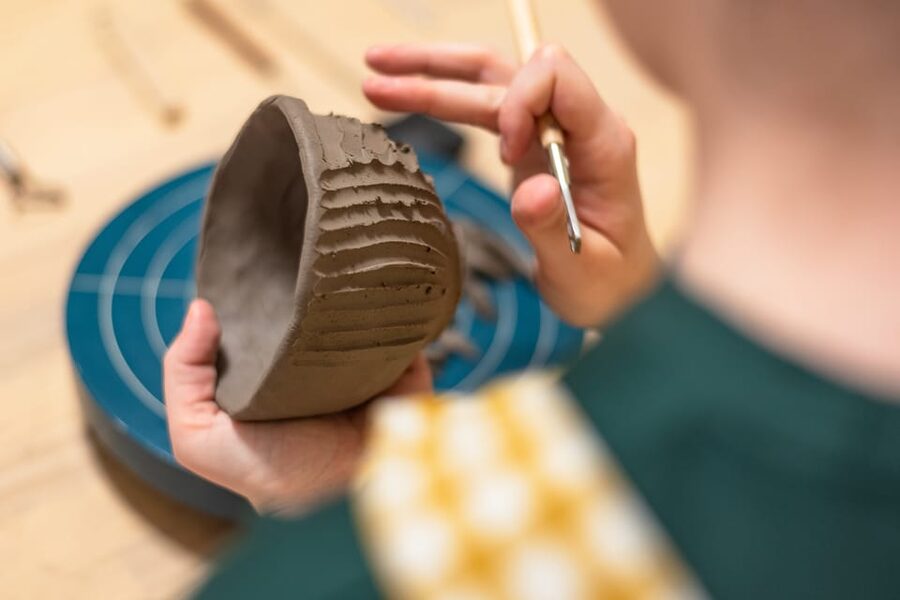
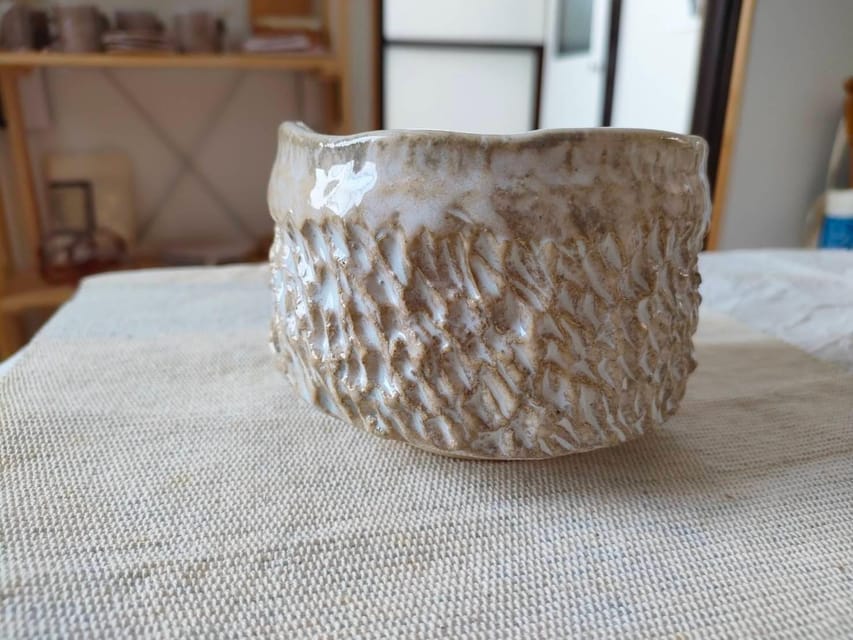
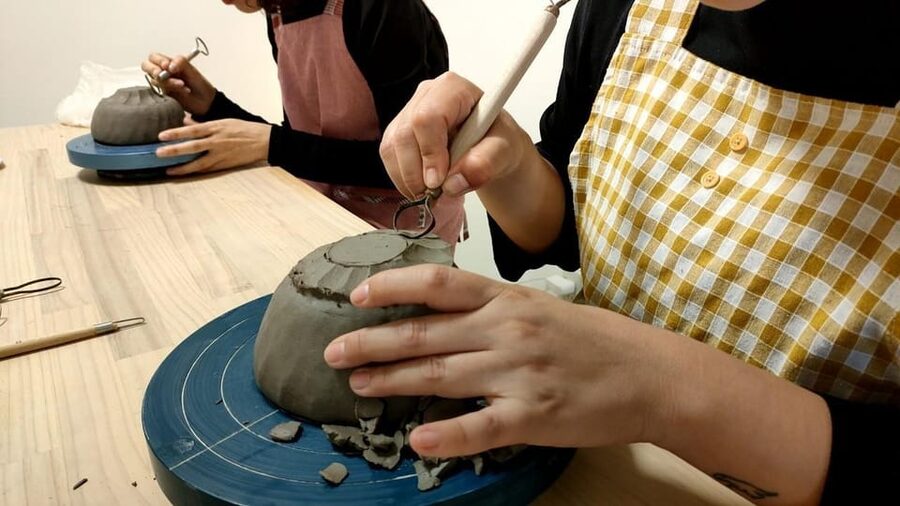
This workshop uses kurinuki, a traditional carving method. Rather than aiming for a perfectly uniform surface, you carve the clay with tools and let the marks become part of the design. The result is meant to have a wabi-sabi quality, an appreciation of irregularity and the character of handmade things. You are not expected to arrive with a plan or pottery skills. Anna guides you through the technique and helps you shape a bowl that feels personal.
That approach makes the session a good fit if you like making things but do not want a formal, high-pressure class. You can take your time, try out a design, and adjust it with help. One participant described the lesson as relaxing, and that fits the format: the emphasis is on making something individual, not producing a flawless piece on a deadline.
Starting Near JR Teradacho Station
The meeting point is the north exit of JR Teradacho Station in Osaka’s Ikuno Ward. Look for the person carrying a sign marked Ceramics Tocoton. A station pickup is included, which is useful if you are unfamiliar with the neighborhood or want to avoid searching for the studio on your own.
Be punctual. If you expect to be more than 15 minutes late, contact the provider; arriving later than that is treated as a no-show. The session lasts between 90 minutes and two hours, and the precise starting times depend on availability. Since this is a private-group activity, it can feel more personal than a large class, though the group size may vary.
The setting is described as a traditional building, adding a fitting backdrop for an activity that links craft and culture. The available information does not specify the building’s age or architectural features, so go for the workshop itself rather than expecting a guided tour of the property.
More tea ceremonies around Osaka:
- Osaka: Tea Ceremony Experience
★ 4.9 · 1,426 reviews - Tea Ceremony Experience in Osaka Doutonbori
★ 5.0 · 754 reviews - Matcha Making Class in Osaka with Authentic Japanese Sweets Set
★ 5.0 · 509 reviews
Carving Your Matcha Bowl With Anna
Once you arrive, Anna introduces the pottery process and the tools used to carve the clay. She studied ceramics in Osaka and leads the session in English, Spanish, Catalan, or Japanese. No previous experience is needed, and her role is hands-on: she explains the technique, helps you work through the steps, and can correct small mistakes as you go.
The carving is where the bowl starts to become yours. You can use the tools to add a distinctive surface and shape, rather than simply decorating a ready-made piece. The finished designs can vary widely, so it is worth giving yourself permission to experiment. If you are used to following exact instructions in a craft class, this one leaves room for individual choices.
You can also sign your bowl using Japanese characters. This is a small detail, but it can make the piece feel more like a personal keepsake. If you are not familiar with Japanese writing, ask for guidance rather than guessing at a character.
Anna also shares cultural and technical explanations as you work. The lesson is not limited to how to use a carving tool. It gives you context for why the bowl matters in tea practice and how pottery connects to wider Japanese craft traditions. The value is in that combination: you make something with your hands while learning how it fits into a larger cultural setting.
What The Tea Ceremony Adds
The standard workshop includes discussion of the tea ceremony and the place of the matcha bowl within it. This context helps you understand why a bowl’s shape, feel, and surface can matter, beyond its usefulness for holding tea. You also enjoy a drink during the session, with Japanese sweets included in the optional combined tea ceremony workshop.
If you want more than an introduction, choose the combined option. It begins with tea ceremony teachers Kiyomi and Masako, who guide you through the basics of preparing matcha. You then make your bowl with Anna, who studied pottery in both Osaka and Barcelona. The sequence makes sense: first learn how the bowl is used, then create one with that purpose in mind.
The added ceremony lesson is a better choice if tea culture is a main reason for your visit. If your priority is pottery, the core workshop already includes cultural explanations, so you may not need the longer format. Check the available booking options and pricing before you reserve, since the supplied price of $83 per person is for the activity and no separate price for the combined option is specified here.
Choosing A Color, Then Waiting For The Finished Bowl
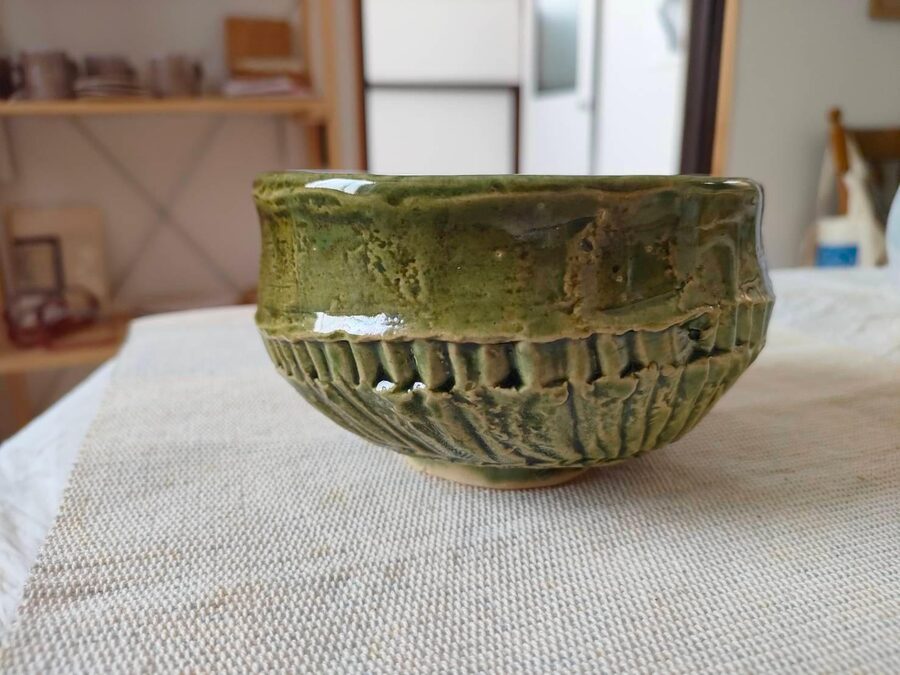
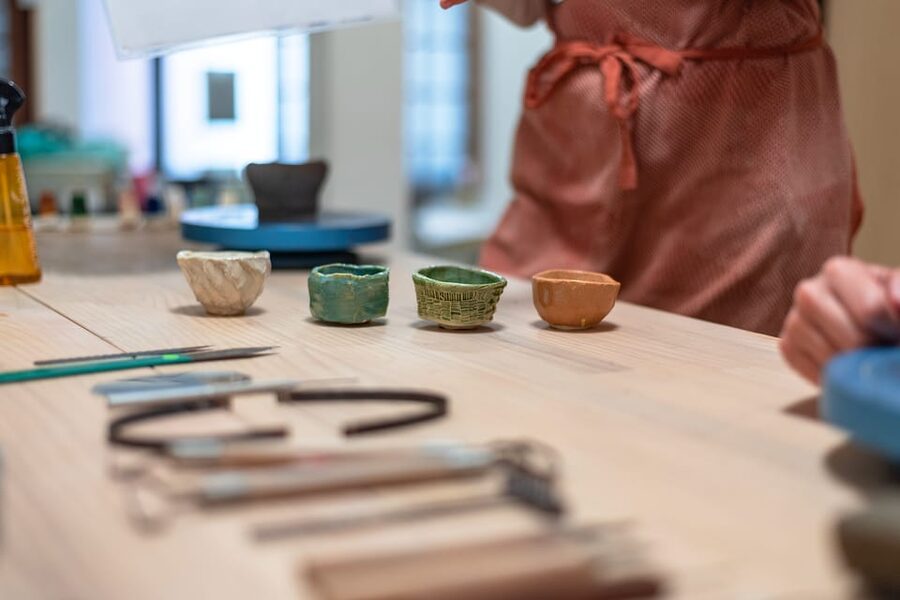
Near the end of the session, you choose the color of your bowl and enjoy a drink. The bowl is not ready to pack in your suitcase that day. It is shipped to the address you provide in about two months, and shipping is not included in the $83 price. The cost depends on your destination country and the number of people, so ask the provider for an estimate before booking if you need to plan your budget.
That delay is worth considering if you are leaving Japan soon or have a firm deadline for receiving the piece. The finished bowl can be a meaningful memento, but you will not know its final appearance in your hands before the workshop ends. You can, however, choose the color and take part in creating its carved design.
A ceramic gift is included, and the combined tea ceremony option includes a small dish suitable for sweets at home. There is also a small shop with handmade pottery, which gives you a chance to look at finished pieces and perhaps bring home an extra ceramic souvenir without waiting for international delivery. Prices have been described as reasonable, though they are not listed here.
More trips and experiences around Osaka:
- Osaka Go Karting Tour with Funny Costume
★ 5.0 · 2,658 reviews - Osaka Castle: Museum and Tower Entry Ticket
★ 4.5 · 2,380 reviews - Osaka: Shinsekai Food Tour with 13-15 Dishes at 5 Eateries
★ 4.8 · 2,204 reviews - Osaka Food Tour: 13 Dishes at 5 Local Eateries
★ 5.0 · 2,149 reviews
Is $83 Good Value?
At $83 per person, this is not a quick demonstration or a basic tea tasting. You get a private-group workshop lasting 90 minutes to two hours, materials and equipment, instruction from a ceramist, cultural explanations, a drink, station pickup, and a ceramic gift. Your own bowl is the main value, but the teaching and cultural context help make the price more than a charge for materials.
The cost makes most sense if you are interested in pottery or want a souvenir with a story behind it. Compared with buying a finished bowl, you are paying for time with Anna and the chance to create a design yourself. It is less compelling if you only want to try matcha or need an inexpensive activity; the bowl’s shipping charge is an added cost, and the finished piece takes about two months to arrive.
This is also a relatively focused experience. It is not a full day of sightseeing, and the standard option does not appear to include a complete tea ceremony lesson. Think of it as a small craft class with cultural context, rather than a broad introduction to every aspect of Japanese tea.
Who Will Enjoy This Workshop Most
I would recommend this for adults and older children who enjoy making things, have an interest in Japanese craft, or want a personal keepsake from Osaka. It is especially appealing if you would rather spend part of your trip doing something hands-on than shop for another ready-made souvenir. Couples, friends, and solo visitors can all take part, with the private-group format offering room for questions and individual attention.
It also suits people curious about tea ceremony culture but not necessarily ready for a long formal lesson. The standard session covers the bowl’s cultural role, while the optional version adds matcha preparation with Kiyomi and Masako. If you are choosing between them, decide whether you want the focus to be pottery or a more complete tea-and-craft session.
It is not suitable for children under six, and the space is not adapted for wheelchair users. Alcohol and drugs are not allowed. The activity is conducted in English, Spanish, Catalan, or Japanese, so check that your preferred language is available when selecting a time.
Should You Book It?
Book this workshop if you want to make a bowl rather than simply buy one, and you are comfortable waiting about two months for it to arrive. Anna’s guidance, the kurinuki carving, and the discussion of tea culture give the session substance beyond a souvenir project. Choose the combined option if preparing matcha with tea ceremony teachers is as important to you as the pottery.
Skip it if you need a bowl to take home the same day, want a wheelchair-accessible activity, or are looking only for a short, low-cost tea tasting. Before you commit, ask about shipping to your country and the price of the combined option. Those details help you judge the full cost, not just the workshop fee.
FAQ
How long does the Matcha Tea Bowl Experience take?
The workshop lasts between 90 minutes and two hours. Starting times depend on availability.
How much does the workshop cost?
The listed price is $83 per person. Shipping for your bowl is not included.
Where is the meeting point?
Meet at the north exit of JR Teradacho Station. The team carries a sign marked Ceramics Tocoton.
Do I need pottery experience?
No. The workshop is suitable for beginners, and Anna guides you through the process.
What languages are available?
The activity is offered in English, Spanish, Catalan, and Japanese.
When will my bowl arrive?
The finished bowl is shipped to the address you provide in about two months.
Is shipping included in the price?
No. Shipping costs are extra and depend on the destination country and number of people. Contact the provider for an estimate.
Is there an option to learn the tea ceremony?
Yes. The optional combined workshop includes matcha preparation with tea ceremony teachers Kiyomi and Masako, followed by bowl-making with Anna.
Is the activity suitable for children and wheelchair users?
It is not suitable for children under six, and the space is not adapted for wheelchair users.
Just added around Osaka
- Mount Koya from Osaka: Cultural Small Group Day Tour★ 5.0 · 3 reviews
- Master Washoku: 5 Core Techniques for Authentic Cooking★ 4.7 · 7 reviews
- Manno: Osaka Premium Wagyu BBQ Experience Reservation★ 5.0 · 4 reviews
- Learning Shodo with a kimono and Trying Samurai Calligraphy★ 4.2 · 7 reviews
- Katsu Curry OR Bento Making Cooking Class & Local Shop Tour★ 4.9 · 11 reviews
- Himeji: Private Guide Tour of the Castle from Osaka or Kyoto★ 4.5 · 7 reviews
- Osaka and Nara Customized Private tour with English Driver★ 4.7 · 4 reviews
- Osaka/Kyoto: Arashiyama, Nara Park, Fushimi Shrine Tour★ 4.1 · 13 reviews
Osaka Tea Ceremonies, compared.
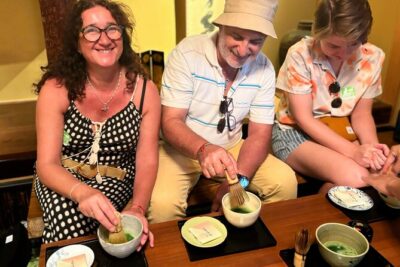
World Heritage Kyoto & Nara Uji Authentic Matcha Experience
Read our review →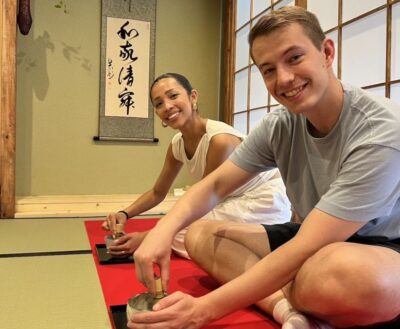
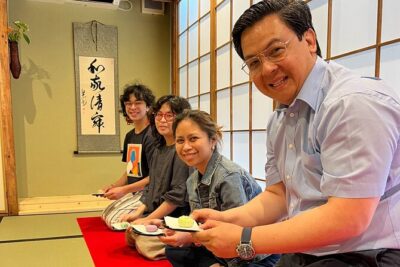
Matcha Making Class in Osaka with Authentic Japanese Sweets Set
Read our review →

Authentic Tea Ceremony(Max 5 ppl) -Master Matcha Making
Read our review →
Japanese Traditional Sweets Making and Tea Ceremony
Read our review →
Osaka Temple Cool Foot Bath & Matcha Experience〈45min〉
Read our review →Browse the lists this tour appears in