Reviewed · OSAKA TOURS
Japanese Traditional Sweets “Nerikiri” making
Nerikiri turns bean paste into a small seasonal artwork, and this Osaka workshop lets you make two pieces yourself. You’ll shape one flower and one kinton sweet, then sit down to eat what you’ve made.
I like the use of white and red bean paste from long-established Kyoto shops, and the chance to make two different designs rather than just watch a demonstration. At $11, it’s a modestly priced way to spend an hour with a distinctly Japanese craft and a snack at the end.
One thing to plan for: the venue is upstairs, with no elevator, and English is offered as much as possible rather than guaranteed throughout. Arrive on time, and contact the provider ahead if you need English support.
- Two seasonal designs: Make a flower-shaped nerikiri and a kinton nerikiri.
- Kyoto-made ingredients: The workshop uses white and red bean paste from long-established Kyoto shops.
- Eat your work: The sweets are intended to be enjoyed on site after the making and photo time.
- A quick Osaka activity: The session lasts 65 minutes and costs $11 per person.
- Near Higobashi Station: The venue is a one-minute walk from Exit 10, with several other Osaka stations within walking distance.
A small art lesson made of bean paste
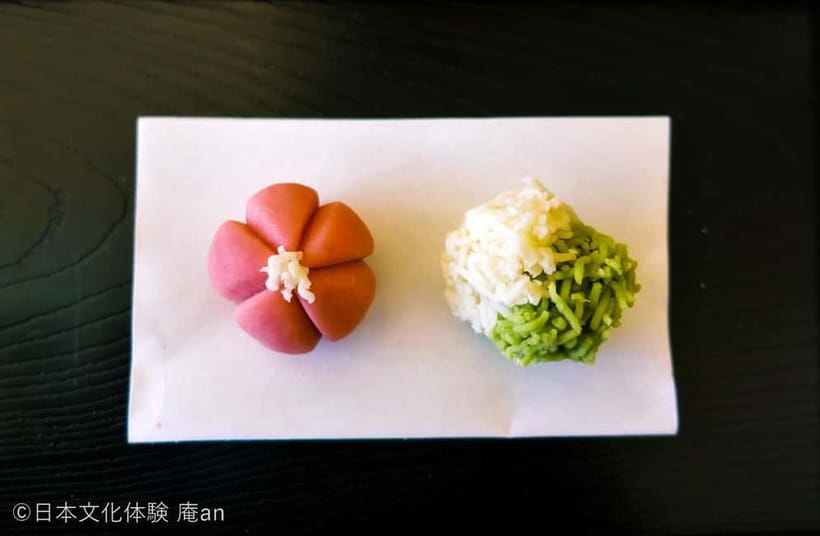
Nerikiri is a traditional Japanese sweet shaped to reflect the season. Here, you make two pieces, using paste produced by established shops in Kyoto. The appeal is tactile and immediate: instead of seeing sweets behind glass, you get to shape your own and see how a few simple ingredients can become something decorative.
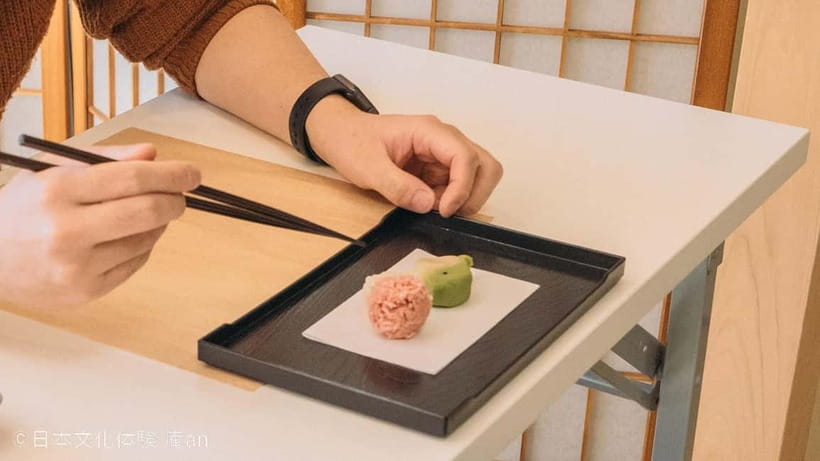
The workshop is run by AN Japanese Culture Experience, with a Japanese instructor. You don’t need to arrive with experience in Japanese sweets. The session begins with an explanation, then moves into making the two designs, with time to photograph them before eating.
That mix of making and tasting is useful if you want more than a quick food stop but don’t have time for a long class. In 65 minutes, you get a guided introduction and a finished result to enjoy. It is also an easy activity to fit between other plans in Osaka, provided you leave enough time to reach the venue.
What happens during the 65 minutes
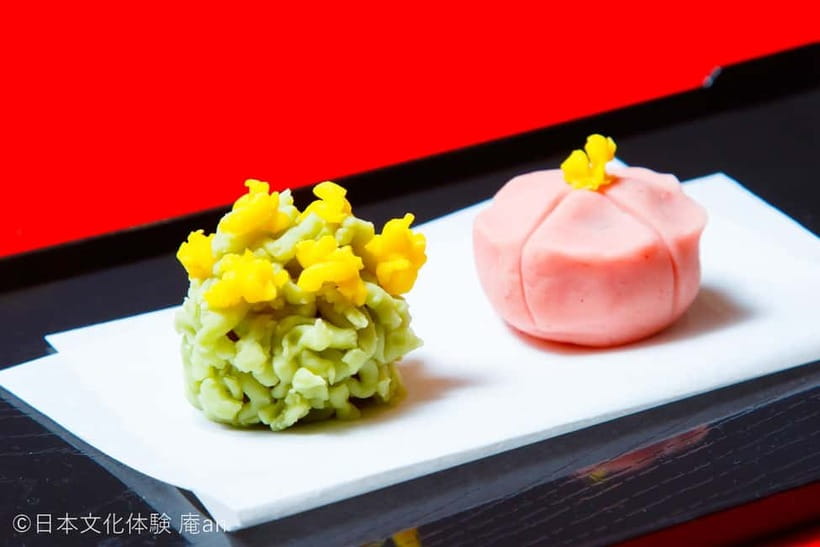
The schedule begins with an explanation of traditional Japanese sweets. This gives you a little context before you start handling the ingredients, though the amount of English support can vary. English translation is provided as much as possible, and you can contact the provider in advance to request it.
Next comes the flower-shaped nerikiri. This is the more immediately recognizable design: the finished sweet is meant to look like a flower, tying the activity to the season. You’ll work with the supplied paste and shape your own version. The goal is not simply to produce a snack, but to make something you’ll want to set on a plate and photograph.
The second piece is a kinton nerikiri. It gives you a different design to try, so the workshop doesn’t end after you have learned one shaping approach. The supplied details don’t specify the exact seasonal motifs used on a particular date, so expect the designs to vary with the season rather than assume a specific flower or color.
The making portion lasts about 55 minutes, followed by picture time and the end of the formal activity. You then have time to eat your sweets, with the full visit lasting around 65 minutes. That final ten minutes matters: the point is not to box everything up and rush out, but to enjoy what you made while it is fresh.
A takeaway box is available for an extra 100 yen if you would rather carry the sweets with you. The workshop also offers a completion certificate for 300 yen. Neither is included in the $11 price, so bring a little extra if either matters to you.
More sweet-tooth tours around Osaka:
- Matcha Making Class in Osaka with Authentic Japanese Sweets Set
★ 5.0 · 509 reviews - Osaka: Matcha Making Experience with Japanese Sweets
★ 5.0 · 146 reviews - Osaka: Japanese Traditional Sweets Making and Tea Ceremony
★ 4.7 · 118 reviews
The ingredients are part of the point
The paste comes from long-established Kyoto shops, a detail that gives this class more substance than a craft session using generic materials. White and red bean paste are central to the sweets you make, and the workshop lets you work with the actual ingredients rather than simply decorate a finished confection.
That makes the activity a good fit if you’re curious about Japanese food craft but prefer a hands-on introduction over a formal cooking class. You aren’t being asked to prepare a full meal or master a complex recipe. Instead, you learn by shaping two sweets and seeing how presentation is part of the pleasure.
The finished pieces are edible, and you can eat them at the venue. The provider says the taste is assured, but the practical value is that you get to try the results yourself rather than leave with only photographs. If you want to keep the sweets, ask for the takeaway box and pay the additional fee.
Instruction and language: what to expect
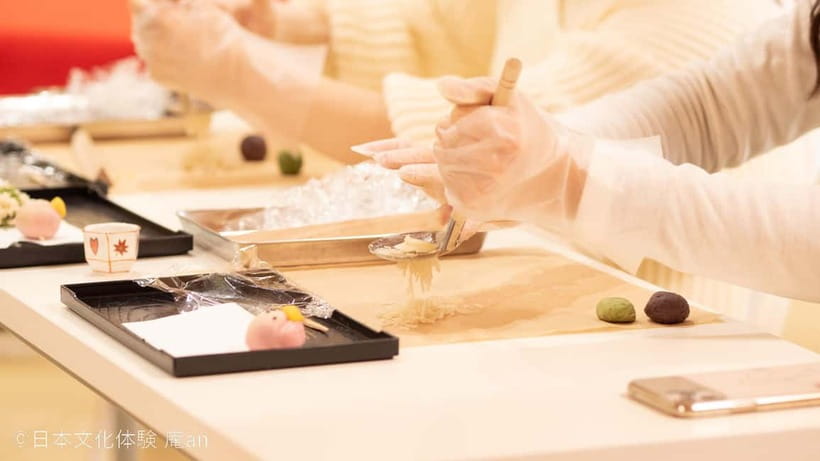
The instructor is Japanese, and the activity is listed in Japanese. English translation is offered as much as possible, not promised as a fully English-language class. If clear English instruction is important to you, contact the provider before booking and ask what can be arranged for your session.
The available experience suggests that communication can work well for English speakers: one participant described an instructor with good English and enjoyed a bit of football chat, while another found the English sufficient and appreciated the patient explanations. That is encouraging, but it is not a guarantee that every session will have the same level of English or the same conversational ease.
You can help the class run smoothly by arriving ready to follow demonstrations and asking for clarification when needed. The instructor takes time to explain, but the activity will not be held for late arrivals. Allow enough time to find the building, especially if you are coming from a station other than Higobashi.
Is $11 good value?
At $11 per person, the price is appealing for a guided 65-minute activity that includes the nerikiri-making set and the chance to eat your two creations. You’re paying for a short cultural activity, ingredients, instruction, and a small edible result, rather than a long class with a meal or take-home kit.
The value is strongest if you enjoy making things and want a compact activity that feels specific to Japan. You get two designs, not just one, and the ingredients have a clear connection to Kyoto’s established sweet shops. The photo time is a bonus if you like documenting your trip, though it is not the main reason to book.
It is less compelling if you’re looking for a full cooking lesson, a long workshop, or a guaranteed English-speaking instructor. The class is brief, and the details provided don’t promise a take-home portion in the base price. Budget another 100 yen for a box if you want one, or 300 yen for the certificate.
More trips and experiences around Osaka:
- Osaka Go Karting Tour with Funny Costume
★ 5.0 · 2,658 reviews - Osaka Castle: Museum and Tower Entry Ticket
★ 4.5 · 2,380 reviews - Osaka: Shinsekai Food Tour with 13-15 Dishes at 5 Eateries
★ 4.8 · 2,204 reviews - Osaka Food Tour: 13 Dishes at 5 Local Eateries
★ 5.0 · 2,149 reviews
Finding the Osaka venue
The meeting point is especially convenient from Higobashi Station on the Osaka Metro Yotsubashi Line: it is a one-minute walk from Exit 10. From Watanabebashi Station on the Keihan Nakanoshima Line, allow about five minutes from Exit 7. Yodoyabashi Station is around seven minutes away, while Kitashinchi Station is about ten minutes on foot.
Osaka Station is also reachable, but it is a longer walk of about 15 minutes from the South Central Gate. If you’re carrying luggage or trying to make a tight connection, Higobashi is the simplest choice. Drivers should use nearby coin parking; the venue does not provide a parking arrangement.
There is no elevator in the building, and you’ll need to use the stairs to reach the venue. That is an important limitation if you have mobility needs or would rather avoid stairs. The provider also says people who are not taking part cannot enter, so don’t plan to bring along a companion who intends to wait inside.
Who will enjoy this workshop most
This is a good choice for a solo visitor who wants a friendly, contained activity, as well as for a small group interested in Japanese sweets. The provider welcomes both individuals and groups. It also works well as a change of pace from museums and sightseeing, because you’ll spend most of the visit making something with your hands.
Families should note that children under two who sit on a parent’s lap are free. The venue does not allow non-participants to enter, however, so anyone else in your party should be booked as a participant. The supplied information does not specify a minimum age for children who will take part.
If you’re short on time, the compact schedule is useful. If you’re prone to running late, it is less forgiving: the class will not be held to accommodate delays. Reservations are processed during operating hours, 10:00 to 17:00, and requests received after 17:00 are handled the next day. You can cancel up to 24 hours in advance for a full refund, though cancellation terms apply after that point.
Should you book it?
Book this if you want a short, affordable introduction to Japanese sweet-making, especially if the idea of shaping two seasonal nerikiri sounds more appealing than simply buying one at a shop. The Kyoto bean paste, two different designs, and chance to eat your work make the $11 price easy to justify for a curious food lover.
Think twice if stairs are a problem, you need guaranteed English instruction, or you want a long lesson with sweets to take home included. For everyone else, this is a practical little Osaka activity: hands-on, easy to reach from Higobashi, and finished with something you made yourself.
FAQ
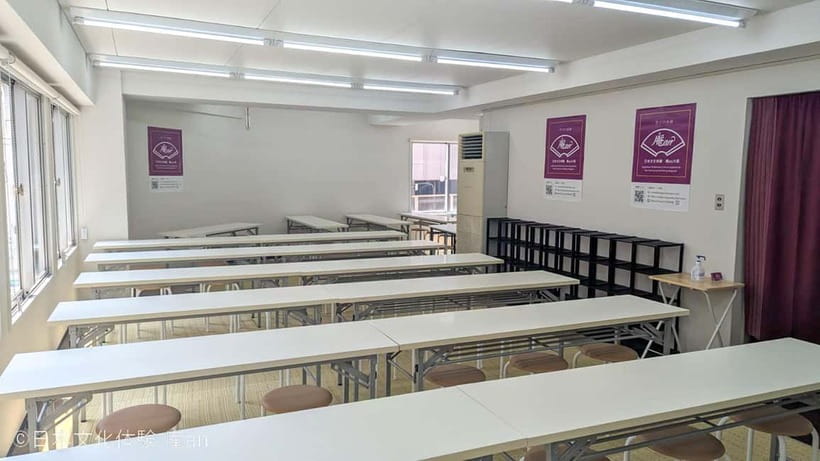
How long does the nerikiri workshop take?
The full experience lasts about 65 minutes. The making and picture portion runs for roughly 55 minutes, followed by time to eat your sweets.
How many sweets will I make?
You’ll make two seasonal Japanese sweets: a flower-shaped nerikiri and a kinton nerikiri.
Can I eat the sweets at the venue?
Yes. You can eat your handmade sweets on site after the making and photo time.
Is English instruction available?
The instructor is Japanese, and English translation is provided as much as possible. Contact the provider in advance if you would like to request English support.
How much does the activity cost?
The experience costs $11 per person. A takeaway box costs an additional 100 yen, and a completion certificate costs 300 yen.
How do I get to the meeting point?
The closest route is a one-minute walk from Exit 10 of Higobashi Station on the Osaka Metro Yotsubashi Line. The venue can also be reached on foot from Watanabebashi, Yodoyabashi, Kitashinchi, and Osaka stations.
Is the venue accessible by elevator?
No. The building has no elevator, and you need to use stairs to reach the venue.
Just added around Osaka
- Matcha Tea Bowl Experience in Osaka★ 5.0 · 11 reviews
- Mount Koya from Osaka: Cultural Small Group Day Tour★ 5.0 · 3 reviews
- Master Washoku: 5 Core Techniques for Authentic Cooking★ 4.7 · 7 reviews
- Manno: Osaka Premium Wagyu BBQ Experience Reservation★ 5.0 · 4 reviews
- Learning Shodo with a kimono and Trying Samurai Calligraphy★ 4.2 · 7 reviews
- Katsu Curry OR Bento Making Cooking Class & Local Shop Tour★ 4.9 · 11 reviews
- Himeji: Private Guide Tour of the Castle from Osaka or Kyoto★ 4.5 · 7 reviews
- Osaka and Nara Customized Private tour with English Driver★ 4.7 · 4 reviews
Osaka Tours, compared.


Shinsekai Food Tour with 13-15 Dishes at 5 Eateries
Read our review →
Osaka Food Tour: 13 Dishes at 5 Local Eateries
Read our review →
Hungry Osaka Street Food Tour:15 Tastings & 3 Drinks with a Local
Read our review →