
Reviewed · OSAKA WALKING TOURS
Osaka: Main Sights and Hidden Spots Guided Walking Tour
Osaka’s story is bigger than its famous neon signs and street food. This four-hour walk links the castle grounds to Korea Town, old Shinsekai and modern Namba, with a high-floor view in between. It gives you a useful first map of a city that can feel sprawling on arrival.
I like two things in particular: the route puts well-known sights beside neighborhoods you might not find on your own, and guides such as Kevin, Ferdinand and Oisin have earned praise for connecting local customs and history to what you see. One consideration: this is a packed walk with public-transport hops, and food and transit costs are extra.
- Osaka Castle Park opens the tour with a 75-minute look at the castle’s imposing exterior and the city’s past. You do not go inside.
- Tsuruhashi brings a different side of Osaka through the lanes of Korea Town and its pre-war commercial district.
- Harukas adds a high-up city view before the route heads down to a department-store food hall.
- Shinsekai and Namba show contrasting city moods, from a timeworn traditional district to present-day shopping and entertainment streets.
- Dotonbori, Kuromon and Doguyasuji round out the walk with neon, market food and specialist kitchen shops.
- Plan for transit and a full afternoon of walking. The tour lasts four hours, but subway fares and any food or drink are not included.
A four-hour route from castle park to Dotonbori
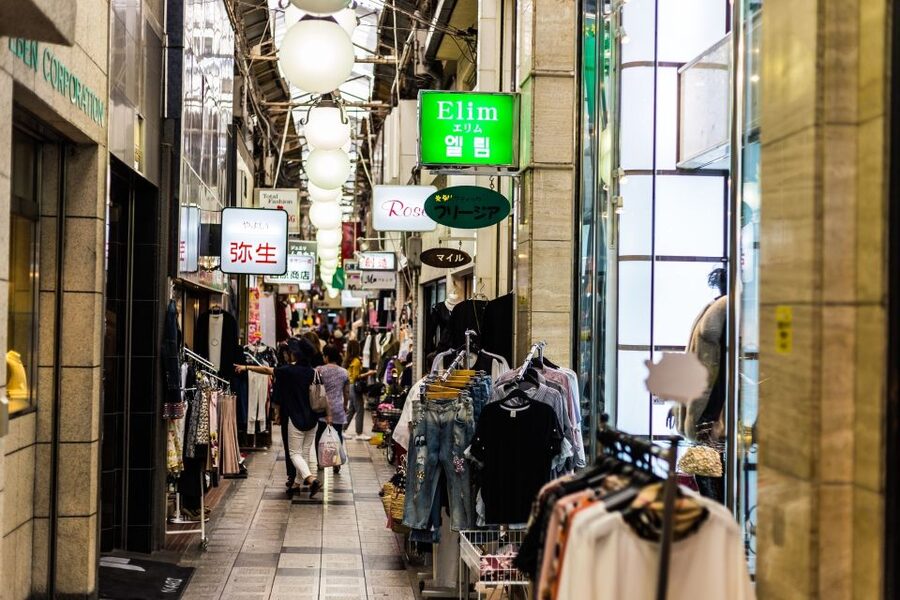
This tour makes a broad sweep across Osaka rather than lingering in one neighborhood. You meet above ground at Exit 2 of Tanimachi 4-chome Station, then begin at Osaka Castle Park. After the castle area, you take public transport to Tsuruhashi, continue to Abeno Harukas and Shinsekai, and finish around Namba, Dotonbori and Kuromon Ichiba. Doguyasuji’s kitchen shops add a final, distinctly local note.
That variety is the route’s main strength. Osaka’s most famous sights are only part of its character; the city’s merchant past, neighborhood cultures and food trade all help explain why it feels different from Tokyo. With a guide tying those pieces together, you get more than a checklist of photo stops.
The schedule is brisk by design. You have four hours to cover several districts, and some of the distance is made by subway rather than on foot. Bring comfortable shoes, and do not expect a long sit-down meal or an unhurried shopping session. There are chances to buy snacks along the way, but there are no planned food stops.
Osaka Castle Park: grand walls, not an interior visit
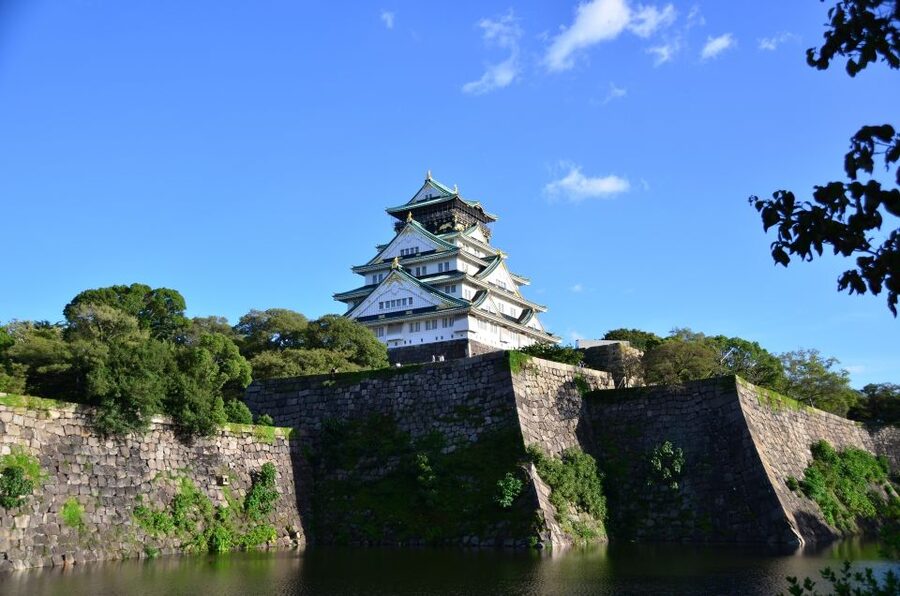
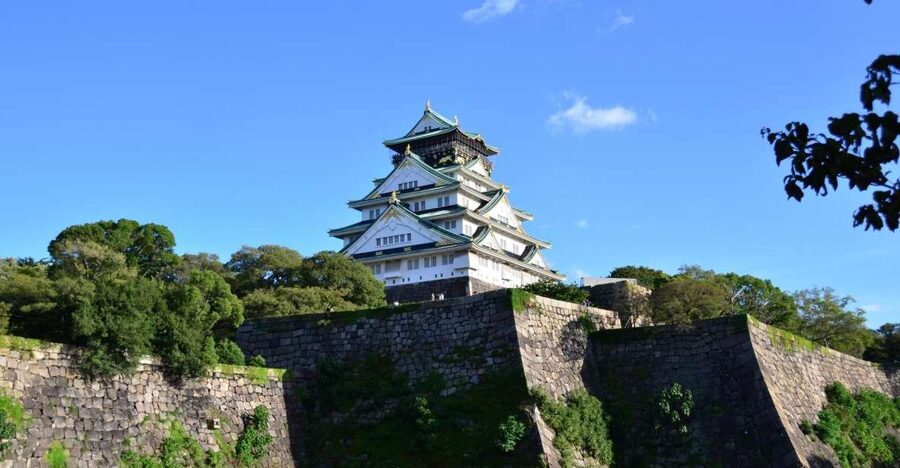
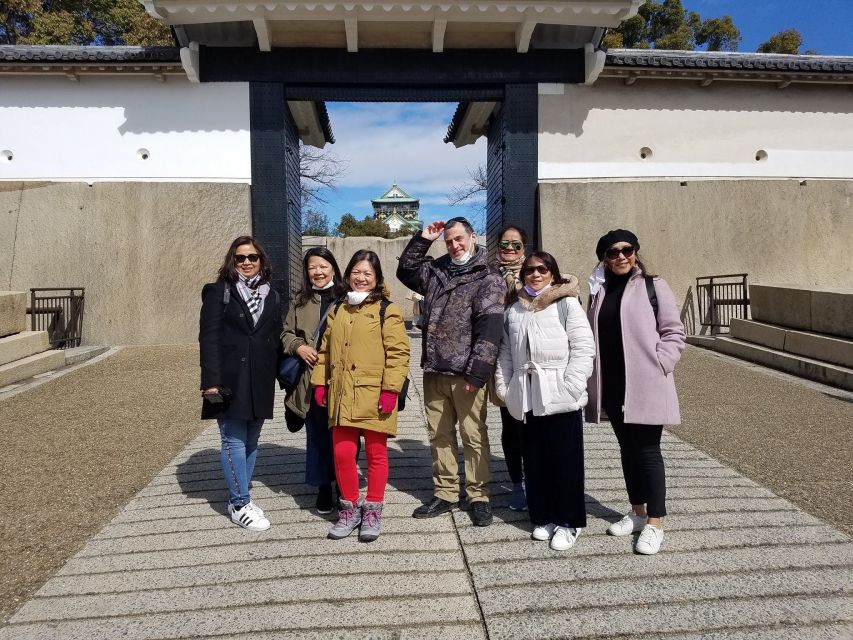
The first major stop is Osaka Castle Park, with about 75 minutes set aside for guided sightseeing. The castle’s imposing exterior and broad grounds make a strong introduction to the city, while the guide gives context about Osaka’s past and the struggle to keep the city under Japanese control around 400 years ago.
The important distinction: you do not go inside the castle. If exploring its interior is a priority, plan a separate visit. This stop is about seeing the castle from outside and walking through the surrounding park, with a guide explaining why the site matters. That can be a better start than simply arriving for a photograph, especially if this is your first day in Osaka and you want the historical frame before moving into the modern city.
The park portion also gives the group a chance to settle into the tour. A few people describe guides such as Ferdinand and Bryan as especially good at turning history into a story, rather than a list of dates. That kind of context is useful here: the castle is visually imposing, but its importance is easier to grasp when you understand the political history behind it.
More walking tours around Osaka:
- Osaka Local Foodie Walking Tour in Dotonbori and Shinsekai
★ 5.0 · 985 reviews - Osaka Bar Hopping Night Walking Tour in Namba (3 bars, 6 tastes)
★ 5.0 · 958 reviews - Osaka: Deep Backstreets Walking Tour with Dinner Option
★ 4.9 · 902 reviews
Tsuruhashi: Osaka’s Korea Town lanes
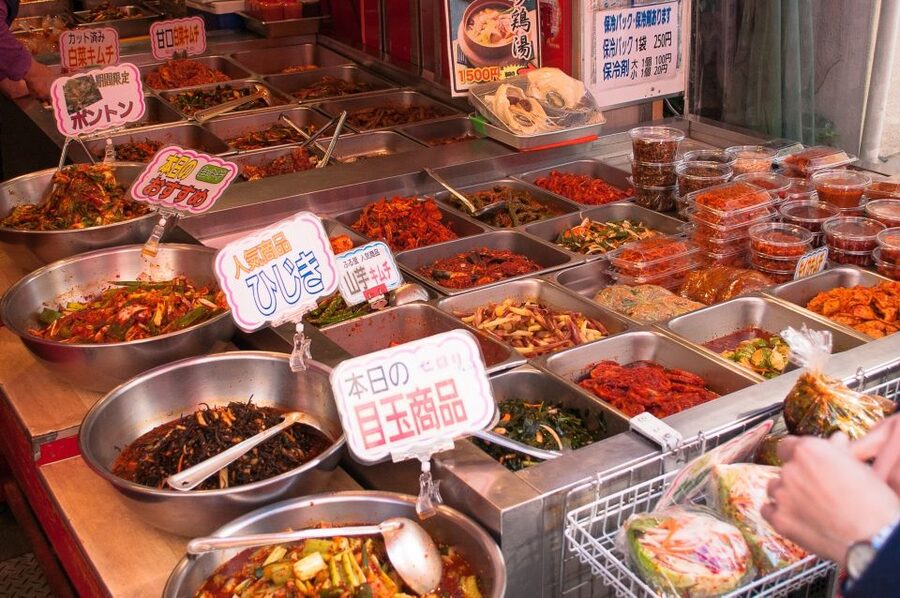
A short train ride takes you to Tsuruhashi, where the tour explores a maze of narrow streets and alleys in a pre-war commercial district. This is a noticeable shift from the open grounds around the castle. The route’s appeal lies in seeing a lived-in neighborhood and learning about the different cultures that shape Osaka, rather than moving from one grand monument to another.
The stop is allotted about 45 minutes. That gives you time to look around and hear the guide’s explanation, but it is not a long independent browse. If you want to shop or eat your way through the area, you may want to return on your own. One person specifically praised a stop for kimchi pancake, but food is not guaranteed as part of the itinerary, and the tour has no designated meal break.
For me, this is one of the more valuable parts of the route. Osaka’s identity is not only its castle and entertainment district. A guide can help you read the streets and discuss how cultures and communities intersect in Japan, which makes this stop more than a quick pass through an unfamiliar neighborhood. Kevin, in particular, has been praised for explaining cultural differences and social context in a clear, engaging way.
Harukas: a view, then a food hall
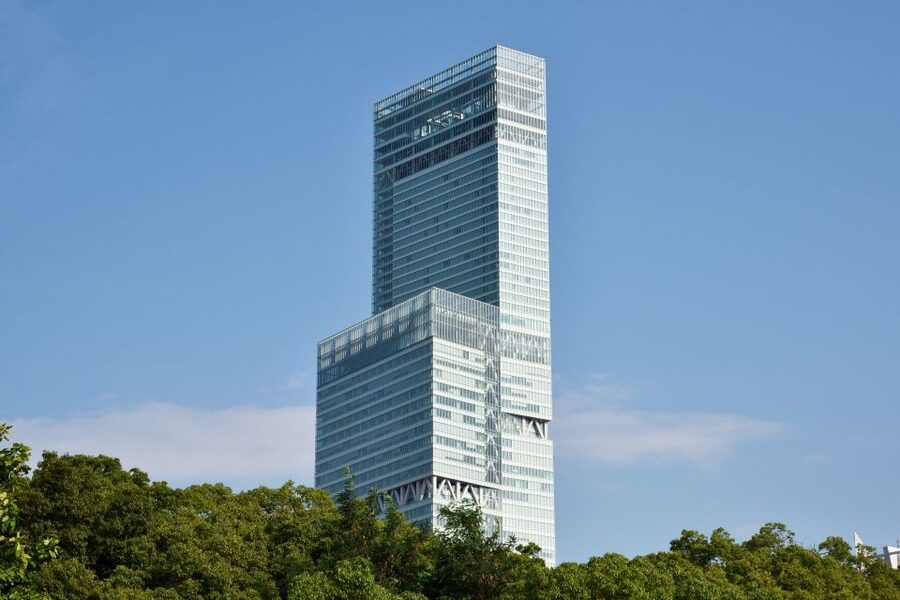
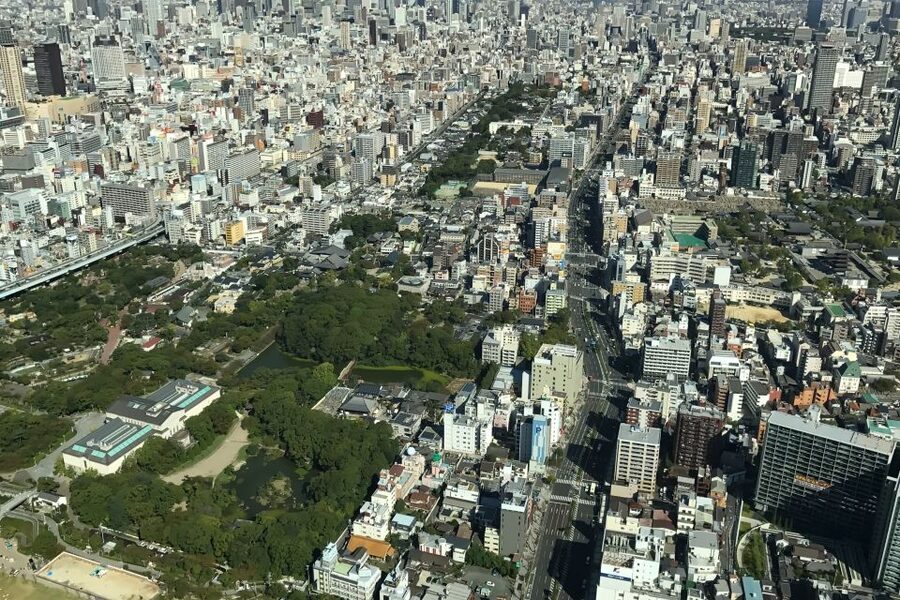
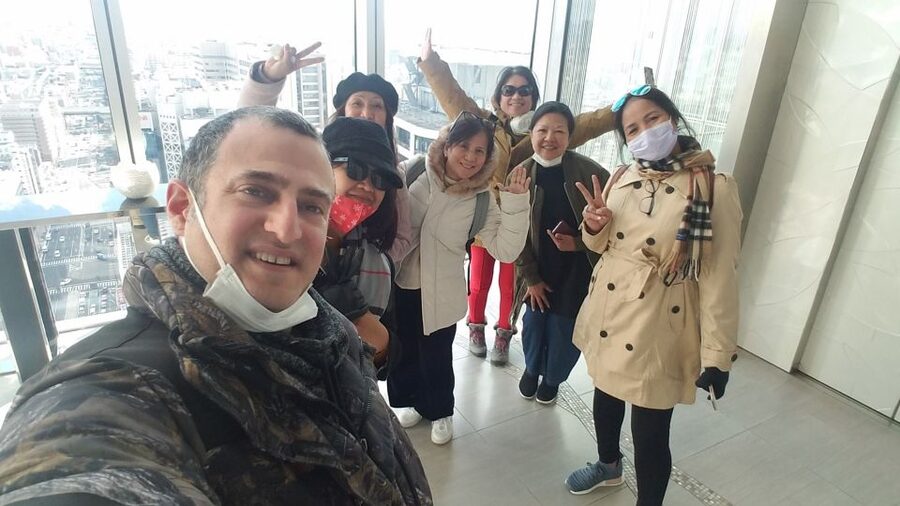
The next stop is Abeno Harukas, a modern high-rise where you’ll get a view from one of the upper floors. The visit lasts about 30 minutes, so think of it as a concise city overview, not a long observatory session. From above, the scale of Osaka becomes easier to take in after several neighborhood walks.
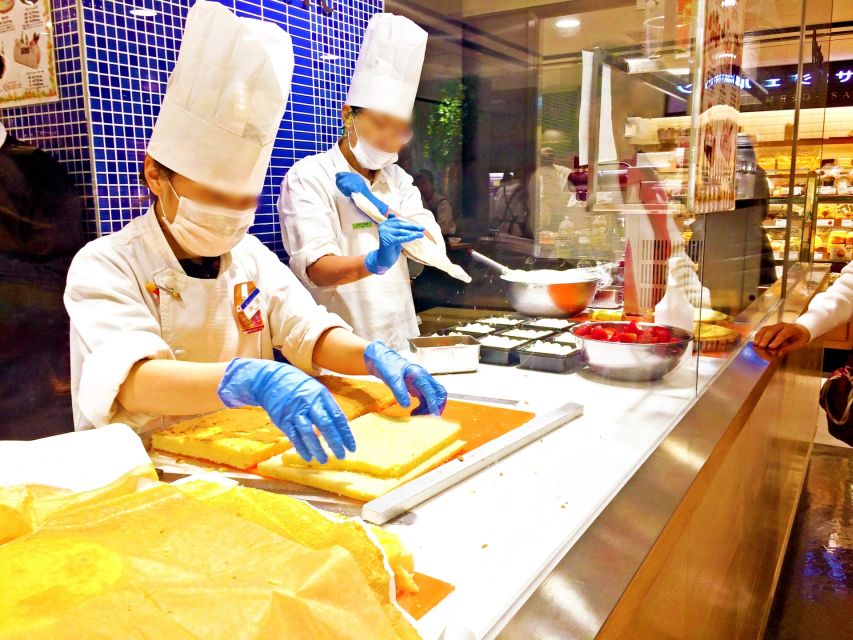
The group then heads underground to browse the department store’s food hall. This is a chance to see high-quality ingredients and prepared foods, including puffer fish and Kobe beef. You can look, ask questions and perhaps buy a snack, but food and drink are not included in the tour price.
The change of pace is welcome: after older lanes and castle grounds, Harukas shows the sleek, commercial side of the city. Just keep the short time slot in mind. If the view or food hall captures your interest, you may want to make a return visit rather than expect to explore every floor.
Shinsekai: an older entertainment district
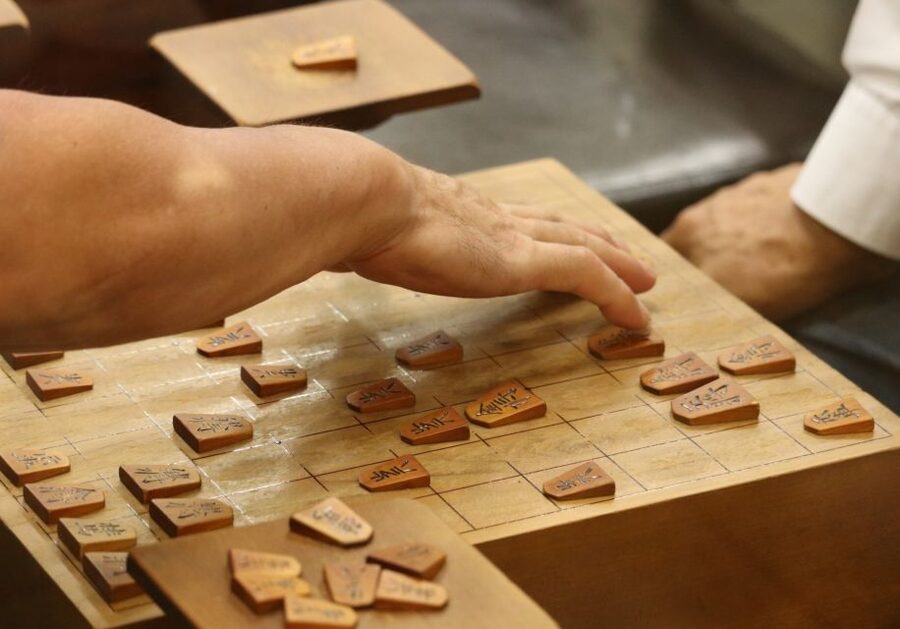
From Harukas, the route continues to Shinsekai, with about 30 minutes for a guided look around. The area is described as slightly worn and largely frozen in time, a contrast to the polished department store and the city’s newer shopping streets. Its appeal is in that contrast: Osaka’s past is not confined to a museum or castle, but remains visible in the character of its neighborhoods.
A guide can help explain the district’s place in Osaka’s social history. Several guides have been praised for connecting older districts to modern life and local subcultures, rather than treating each stop as a standalone attraction. That context matters here, where a short walk may reveal more through street character and stories than through a single landmark.
Thirty minutes is enough for an introduction, not a thorough exploration. If you want to linger, eat nearby or take a slower look around, keep some time free after the tour.
More guided departures around Osaka:
- From Kyoto/Osaka: Kyoto Top Highlights 1-Day Guided Bus Tour
★ 4.5 · 714 reviews - Osaka: Guided Food Tour with 12 Dishes at 4 Local Eateries
★ 5.0 · 533 reviews - Osaka: Namba Pub Bar Crawl with a Local Guide
★ 4.9 · 424 reviews - Osaka: Izakaya Bars Guided Walking Tour
★ 4.9 · 385 reviews
Namba and Dotonbori: Osaka at full volume
The tour moves on to Namba, the center of much of Osaka’s current shopping, dining and entertainment life. Dotonbori is the most famous stretch, often compared with Times Square for its concentration of signs and crowds. The comparison conveys the spectacle, but the route also takes you into smaller back streets, where the city’s personality is less neatly packaged for visitors.
This is a good place to let the guide point out details you might pass without noticing. The tour’s frequent praise for guides such as Kevin, Ferdinand and Oisin comes from their ability to combine facts with local recommendations and answer questions along the way. Some have also helped with photos, which is a practical bonus when you want a group shot without asking a stranger.
The tour finishes in Namba, at 1-chōme-4-2 Nanba, Chūō-ku. Dotonbori is a natural place to stay afterward for dinner or a longer wander, but remember that you are paying for your own food and drinks. You may be ready for a meal by then, especially if you have resisted the tempting food displays earlier.
Kuromon Market and Doguyasuji: food trade up close
Kuromon Ichiba is a fresh fish market with more than 150 years of history. It offers a close look at Osaka’s food culture and the daily trade that supports it. The tour gives you a guided introduction, but it is not a meal tour: there are no planned food stops, and you will need to buy anything you want to taste.
Doguyasuji adds a different kind of food-related detail. This kitchen and cooking district is known for wax food models, Japanese noren curtains hung at kitchen entrances, and oversized pottery. These shop windows and specialist goods offer a glimpse of the practical business behind Osaka’s restaurants, not just the finished dishes on the table.
Taken together, the market and kitchen street help explain why food is such a large part of Osaka’s public identity. You see ingredients, tools and display traditions, not only restaurant signs. The time at each stop is limited, so treat the tour as an orientation. You can come back later to browse more slowly or eat.
What the $59 price does and does not cover
At $59 per person, the tour’s value rests mainly on the guide and the amount of ground covered. In four hours, you see the castle park, Korea Town, a city view, Shinsekai and the Namba area, while hearing historical and cultural context throughout. If you are new to Osaka, that combination can save time and help you make better choices for the rest of your stay.
The price includes the guide and walking tour. It does not include public transportation, food or drink, or hotel pickup and drop-off. The operator recommends buying a subway day pass and using it to reach the meeting point and during the tour, so factor that cost into your budget. Hotel pickup in central Osaka or port pickup at Tempozan Ferris wheel is available for an additional 5,000 yen, payable in cash to the guide or through a secure payment link.
The route uses public transport between districts, but still involves substantial walking. One person described it as more than 10,000 steps, and another noted tired legs at the end. The tour takes place rain or shine, so bring comfortable shoes and dress for the weather. There are opportunities to buy snacks, but no meal break.
The experience has a 4.9 rating from 702 reviews, and its most consistently praised feature is the guide. Names that recur include Kevin, Ferdinand, Oisin and Bryan, with other guides such as Jamie, Ethan and Hugo also mentioned. Praise centers on clear storytelling, local and historical context, useful city tips and an ability to answer questions. Some people also value photo help and practical advice for getting around or planning the next day.
That strength is not a guarantee of a specific guide, since names vary. But the repeated emphasis on engaging explanations is encouraging if what you want is a human guide to connect the stops. One visitor also noted that a guide adjusted the pace in hot weather and accommodated slower-moving older family members. That is a useful sign of flexibility, though you should not assume every tour can meet every mobility need.
Who will get the most from this walk
This is a strong fit if you have one day in Osaka, or if you want an organized first look before exploring independently. You see several parts of the city in one outing, learn enough history to put them in context and finish in an area where you can continue shopping or find dinner. Families may appreciate the guide’s ability to keep the route engaging, while curious visitors can ask questions about history, customs and daily life.
It is less suited to anyone seeking a slow, food-focused outing or a deep visit inside Osaka Castle. The pace and distance also matter. The activity information describes the tour as wheelchair accessible, but it also says it is not suitable for people with mobility impairments. Because the route includes walking and public transit, contact the operator directly if you have access needs and want to confirm whether this specific route will work for you.
The tour is offered in English, French and Spanish, and private or small-group options are available. If fewer than two people book, the operator may offer an alternate date, a 4,000-yen solo supplement or a full refund. You can cancel up to 24 hours ahead for a full refund, and reserve now while paying later.
Should you book it?
Book this tour if you want a fast, well-explained introduction to Osaka that balances landmarks with neighborhood streets. Its best value is not simply the number of stops, but the way a guide can connect castle history, Korea Town, market culture and modern Namba in a single half-day. I would especially consider it early in a stay, when local tips can shape the rest of your plans.
Skip it if your priority is a long castle interior visit, a sit-down food tour or a leisurely day with few steps. Bring comfortable shoes, budget for transit and snacks, and keep time afterward for the places you want to revisit. For a first look at Osaka, this is a practical way to get oriented without seeing only the postcard version of the city.
FAQ
How long is the tour?
The tour lasts four hours.
Where is the meeting point?
Meet above ground at Exit 2 of Tanimachi 4-chome Station. If arriving by taxi, the intersection name is Tanimachi 3-chome, 谷3交差点.
Does the tour go inside Osaka Castle?
No. You see the castle’s exterior and explore the surrounding park.
Is public transportation included?
No. Transportation is not included, and you are advised to buy a subway day pass for the meeting point and tour.
Are food and drinks included?
No. There are no planned food stops, though you may have chances to buy snacks along the way.
What languages are available?
The live guide is available in English, French and Spanish.
Is hotel pickup available?
Pickup in central Osaka or at the Tempozan Ferris wheel is available for an extra 5,000 yen. It can be paid in cash to the guide or through a secure payment link.
What should I bring, and what happens if it rains?
Bring comfortable shoes. The tour takes place rain or shine.
Just added around Osaka
- Mount Koya from Osaka: Cultural Small Group Day Tour★ 5.0 · 3 reviews
- Matcha Tea Bowl Experience in Osaka★ 5.0 · 11 reviews
- Master Washoku: 5 Core Techniques for Authentic Cooking★ 4.7 · 7 reviews
- Manno: Osaka Premium Wagyu BBQ Experience Reservation★ 5.0 · 4 reviews
- Learning Shodo with a kimono and Trying Samurai Calligraphy★ 4.2 · 7 reviews
- Katsu Curry OR Bento Making Cooking Class & Local Shop Tour★ 4.9 · 11 reviews
- Himeji: Private Guide Tour of the Castle from Osaka or Kyoto★ 4.5 · 7 reviews
- Osaka and Nara Customized Private tour with English Driver★ 4.7 · 4 reviews
Osaka Walking Tours, compared.
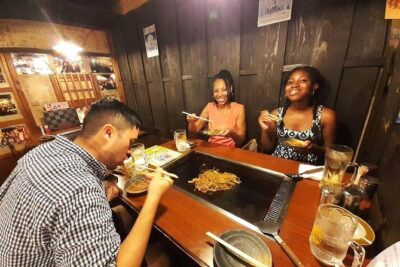
Osaka Local Foodie Walking Tour in Dotonbori and Shinsekai
Read our review →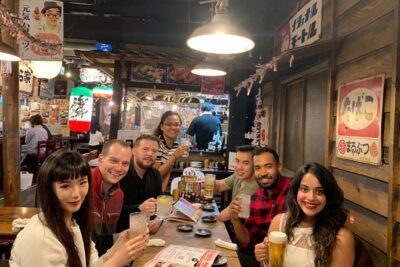
Osaka Bar Hopping Night Walking Tour in Namba (3 bars, 6 tastes)
Read our review →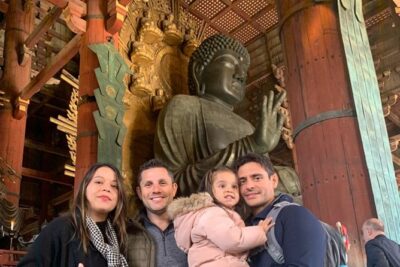
Nara Half Day Trip Walking Tour (Private Option Available)
Read our review →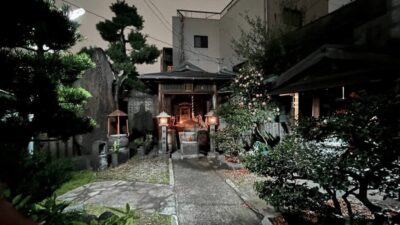
Deep Backstreets Walking Tour with Dinner Option
Read our review →
Ultimate Osaka Walking Tour: Castle, Dotonbori & Hidden Gems
Read our review →
Private Osaka Walking Tour: Highlights & Hidden Gems
Read our review →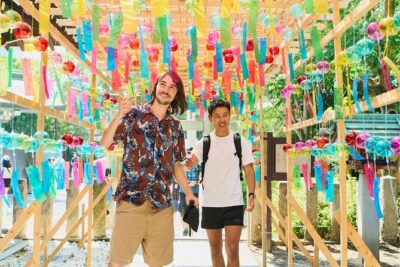
Osaka Castle Walking Tour and Castle Tower Admission
Read our review →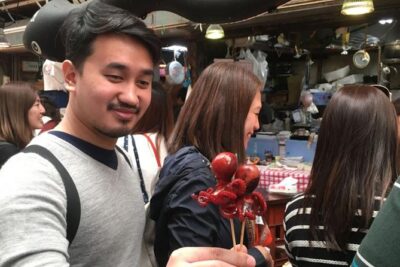
Kuromon Market Food Walking Tour in Osaka (6 stops, 6 tastes)
Read our review →Browse the lists this tour appears in