Reviewed · OSAKA TOURS
Osaka Sushi Miso soup Adventure: A Journey of Exotic Flavors
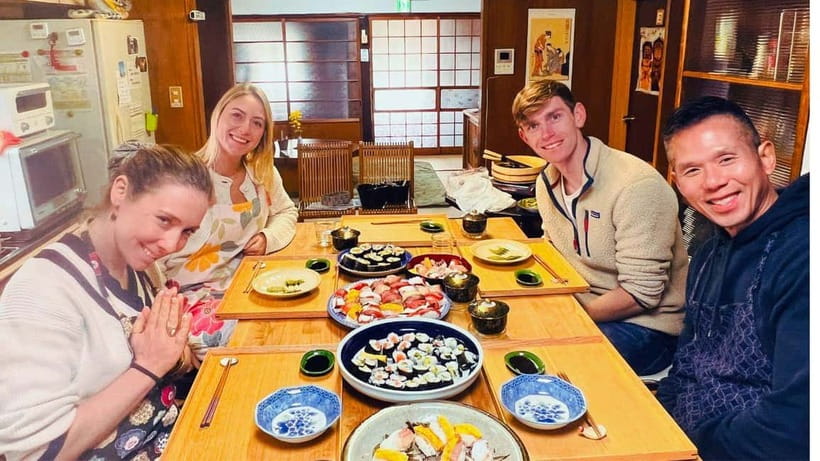
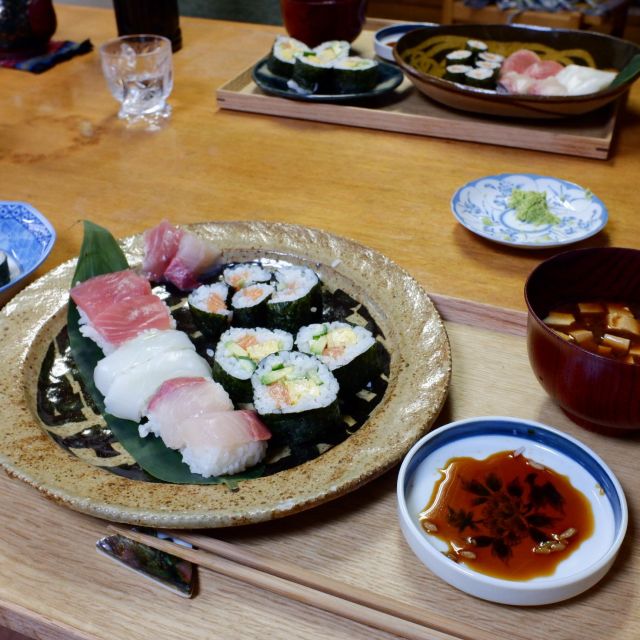
Osaka chef Yuki teaches more than how to roll sushi. In this three-hour class, you’ll prepare nigiri, hosomaki, tuna zuke, kelp-cured salmon, tamagoyaki, and miso soup, with time to eat what you make together.
I like two things in particular: the class gives you hands-on practice with traditional techniques, including cooking and seasoning rice, and its small group size leaves room for questions and personal guidance. One point to weigh: the class is in Nukata, outside central Osaka, so you’ll need to allow about 30 minutes by train from Namba, plus a short walk.
What makes this Osaka sushi class worth your time
- A full menu, not just a roll: Make several sushi styles, a rolled omelet, and miso soup during one three-hour session.
- Two useful fish preparations: Learn tuna zuke and kombu-jime salmon, methods the class presents as ways to keep prepared fish fresh for three to four days.
- Rice gets proper attention: You’ll work through how to select and prepare sushi rice, including a traditional pot method.
- A small group with English instruction: The class is limited to six participants, and Yuki teaches in English.
- Local food tips come with the cooking: Along with recipes, you can ask about Japanese cooking and Osaka.
- Plan for Nukata: The class is about a 30-minute Kintetsu ride from Osaka Namba Station, then a five-minute walk.
Nukata puts you in a quieter corner of Osaka
The class meets at 4-19 Nukata-cho, in a white building about a five-minute walk from Nukata Station. It’s not in the middle of Osaka’s central sightseeing district, but the route is fairly straightforward: take the Kintetsu Nara Line from Osaka Namba toward Kintetsu Nara, get off at Nukata, and walk northeast along Route 308. The listed train ride takes about 30 minutes and costs ¥430.
Arrive 10 minutes early, as requested. Some participants have been met near the station, but the meeting point is the cooking class address, so confirm any pickup details with Yuki before you set out. If you’re navigating with a phone, save the address in advance rather than relying on a last-minute search.
The location is worth factoring into your schedule. This is a focused food activity, not a quick stop between sights, and the train ride adds travel time on either side of the three-hour class. I’d treat it as a half-day plan, especially if you’re coming from central Osaka.
More trips and experiences around Osaka:
- Osaka Go Karting Tour with Funny Costume
★ 5.0 · 2,658 reviews - Osaka Castle: Museum and Tower Entry Ticket
★ 4.5 · 2,380 reviews - Osaka: Shinsekai Food Tour with 13-15 Dishes at 5 Eateries
★ 4.8 · 2,204 reviews
Yuki’s class starts with doing, not watching
Yuki has more than a decade of cooking experience and trained under a sushi master with over 40 years in the craft. That background matters because sushi is less about a single recipe than a set of small decisions: how to prepare the rice, how to handle fish, and how to bring the parts together without making the process feel mysterious.
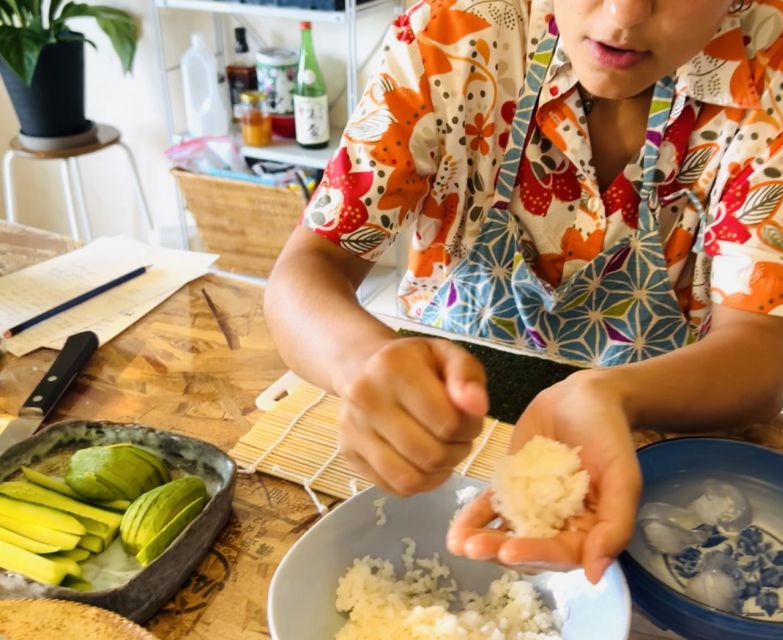
The class is described as hands-on from the start. You’re not simply watching a chef make a pretty plate. You’ll prepare the food yourself, with Yuki guiding you through each step and answering questions as you work. English instruction makes it accessible if you don’t know Japanese food terms or have never cooked sushi before.
With a maximum of six participants, the setup should feel personal rather than like a demonstration for a crowd. The exact group size can vary, and the class may be smaller. That’s useful if you want time to ask about ingredients, technique, or how to repeat a recipe once you’re home.
Sushi rice is the quiet star of the menu
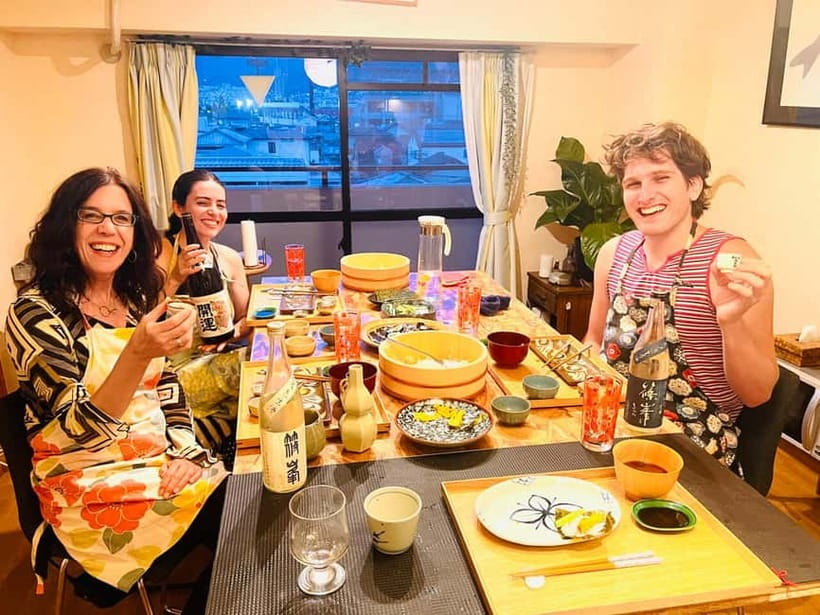
Rice can make or break sushi, and this class gives it more attention than a quick rolling lesson would. You’ll learn how to select and prepare it, including a traditional method using a pot. That’s a valuable takeaway: the rice is the base for nigiri and rolls, and better handling at this stage improves the whole meal.
From there, you’ll make nigiri, the familiar hand-formed style where seasoned rice supports a topping, and hosomaki, thin rolls built around a single ingredient. The two forms call for different handling, so making both gives you a more useful introduction than practicing one shape over and over.
You’ll also learn about preparing wasabi paste and making dashi broth, according to the class experience. These basics help explain the flavors around the sushi, not just the fish and rice. If you’re new to Japanese cooking, that broader context can make the meal easier to recreate and adapt at home.
Tuna zuke and kelp-cured salmon add practical skills
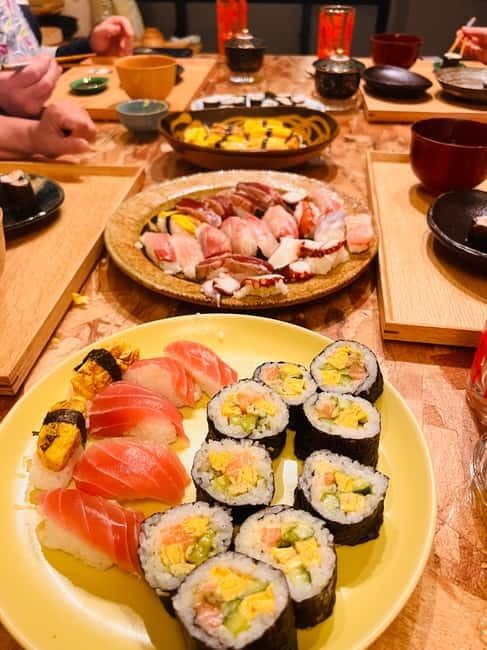
Tuna zuke is tuna marinated in a traditional soy-based mixture. Rather than serving the fish plain, the marinade adds flavor and gives you a preparation method to use beyond this one meal. Kombu-jime salmon is cured with kelp, a traditional technique that changes the fish’s flavor and texture.
The class presents both methods as useful for keeping prepared fish fresh for three to four days. Treat that as a lesson in preparation, not a blanket food-safety guarantee: safe storage depends on the fish, handling, and refrigeration. If you plan to use these techniques at home, follow Yuki’s specific guidance and local food-safety advice.
These two preparations are especially relevant if you live somewhere with fewer Japanese food shops or want to plan meals ahead. They give you more options than buying sushi-grade fish and serving it immediately. Just remember that the class teaches methods; it doesn’t remove the need to source suitable fish and handle it carefully.
Same city, a different kind of day:
- Osaka Food Tour: 13 Dishes at 5 Local Eateries
★ 5.0 · 2,149 reviews - Hungry Osaka Street Food Tour:15 Tastings & 3 Drinks with a Local
★ 5.0 · 1,727 reviews - Osaka: teamLab Botanical Garden Entry Ticket
★ 4.5 · 1,710 reviews - Osaka: Tea Ceremony Experience
★ 4.9 · 1,426 reviews
Tamagoyaki and miso soup round out the meal
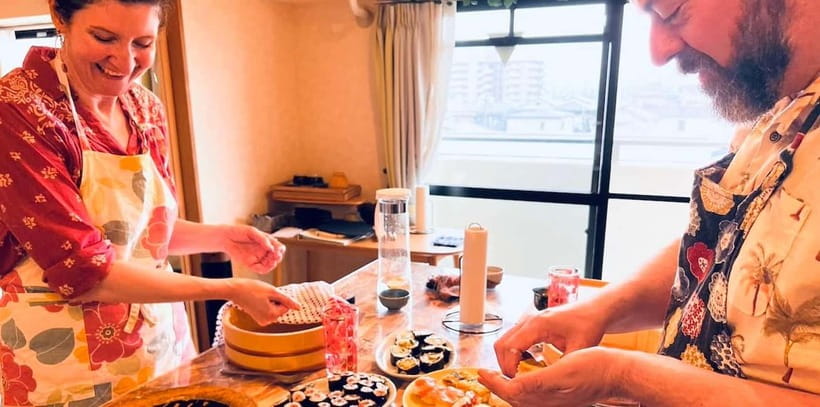
Tamagoyaki is a Japanese rolled omelet often served alongside sushi. You’ll practice making it with a square pan, a tool that can feel unfamiliar if your home kitchen has only a standard round frying pan. This is one of the class’s more distinctive elements: it teaches you a familiar part of a sushi meal that many short sushi workshops leave out.
Miso soup completes the menu. You’ll make it from scratch, with dashi as part of the foundation. Preparing both gives you a chance to understand how broth and seasoning work together, rather than treating miso soup as something that simply comes from a packet.
At the end, you eat the dishes you’ve made together. That shared meal is a natural finish to the class and gives you a chance to taste the results of your work. The amount of food and exact pace can depend on the group, but the experience is designed around making a range of dishes, not leaving with a single sample.
The small-group feel is part of the appeal
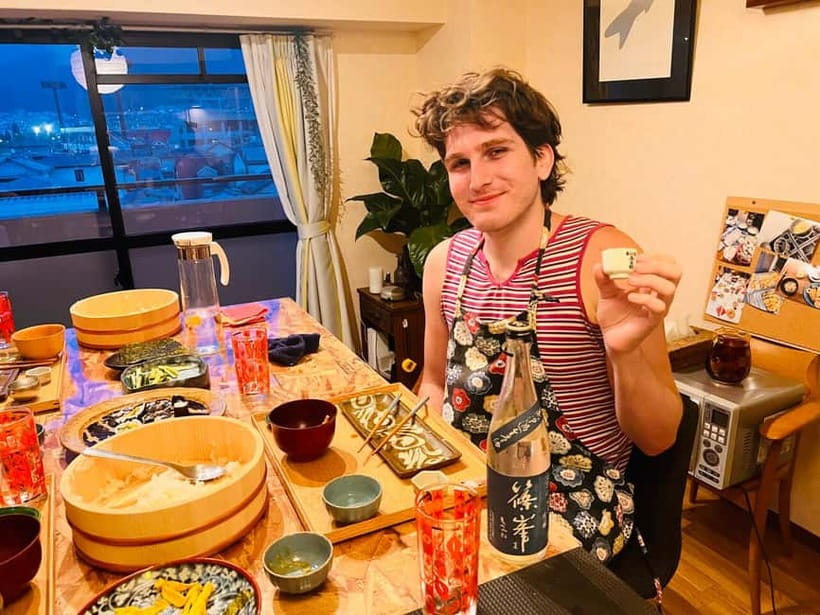
The class’s strongest feature is the combination of cooking instruction and personal hospitality. Yuki’s style is described as friendly and patient, and the experience includes conversation about her life, her interest in traditional Japanese cooking, and local food tips. Those exchanges can add a human scale to a food-focused visit without turning the class into a lecture.
The small group also makes this a more comfortable choice if you’re a beginner. You can ask questions at the moment they come up, rather than trying to catch a chef’s attention in a busy room. More experienced home cooks can still benefit: the rice method, dashi, fish preparations, and omelet technique offer details beyond basic rolling.
A family with a baby has attended, and Yuki was able to accommodate them, but that does not guarantee every date or setup will suit a young child. If you’re bringing a baby or have a dietary need, contact her in advance. One vegetarian participant was accommodated, but it’s best not to assume every substitution is possible without asking.
What $96 buys you
At $96 per person, this costs more than a casual sushi lunch, but it includes three hours of instruction, fresh ingredients, traditional seasonings, and a substantial menu of dishes to prepare and eat. You’re also paying for a small-group setting and techniques you can carry into your own kitchen, not just the meal at the end.
The value is strongest if you enjoy cooking or want a practical way into Japanese food. Learning to season rice, make dashi, roll sushi, and prepare tuna and salmon gives you several skills for the price. The class is less compelling if your main goal is simply to eat sushi or if you’re short on time and don’t want to travel beyond central Osaka.
Recipes are sent afterward, which helps turn the class into something you can use later. The recipes won’t supply ingredients or equipment, of course, but they give you a reference once the steps are no longer fresh in your mind. Participants have also been able to buy Yuki’s cookbook, though availability is not specified.
Who should book this class
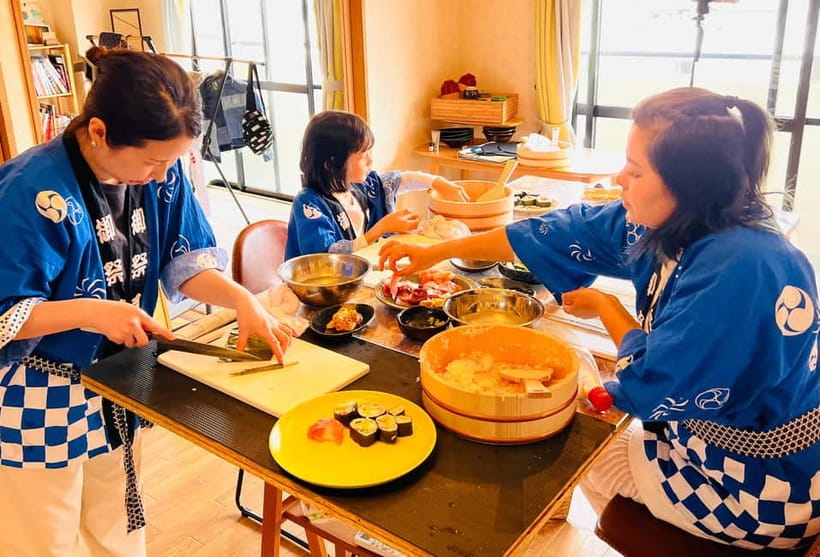
I’d recommend this for sushi fans who want to understand how the pieces are made, as well as curious cooks who are new to Japanese cuisine. It’s also a good fit if you value conversation and a small class over a polished, large-scale demonstration. The English instruction and step-by-step format make it approachable for beginners.
It may be a weaker fit if you want an activity right in central Osaka, have only a narrow gap in your day, or prefer a meal with no cooking involved. The journey to Nukata is manageable, but it takes planning. And if you have dietary restrictions, check with Yuki before booking rather than hoping the menu can be changed on the spot.
Practical details before you go
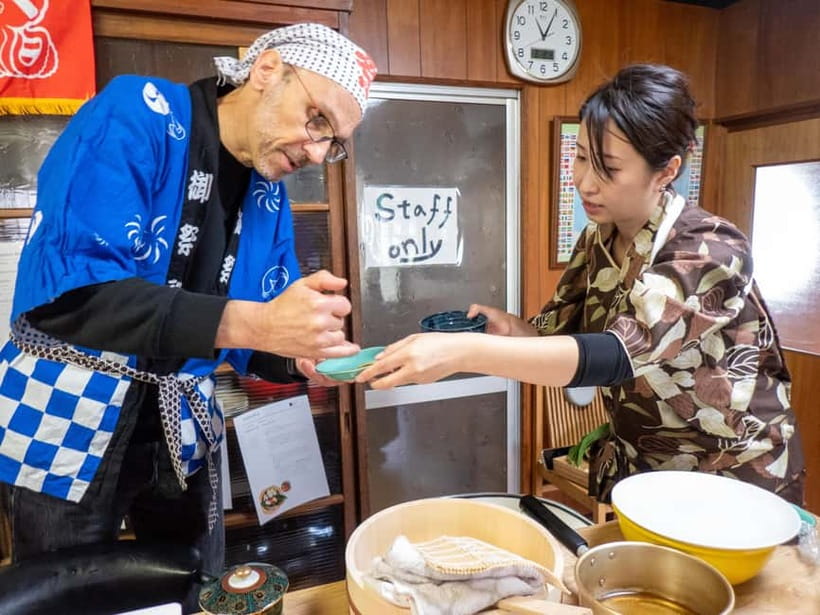
The experience lasts three hours, with starting times shown when you check availability. Fresh ingredients and traditional seasonings are included, and the class is taught in English for groups of up to six. You can reserve now and pay later, and cancellation up to 24 hours before the activity qualifies for a full refund.
For the smoothest arrival, use Osaka Namba Station as your starting point, board a Kintetsu Nara Line train bound for Kintetsu Nara, and get off at Nukata. Walk about five minutes to the white building at 4-19 Nukata-cho, and arrive 10 minutes early. If you need help finding the class, contact Yuki directly.
Should you book?
Book this class if you want more than a sushi-shaped holiday photo. You’ll make several dishes, learn methods you can try again at home, and spend time with an English-speaking local cook in a small group. The standout value is the range: rice, fish preparations, rolls, nigiri, omelet, broth, and soup all fit into one session.
Skip it if your Osaka schedule is packed or you only want to eat. The ride to Nukata adds a little effort, and the experience asks you to spend three hours cooking. For anyone keen to bring Japanese cooking home, that time is well spent.
FAQ
How long is the sushi class?
The class lasts three hours. Check availability for the starting times offered on your date.
How much does it cost?
The listed price is $96 per person.
What dishes will I make?
You’ll make nigiri, tuna zuke, kombu-jime salmon, hosomaki, tamagoyaki, and miso soup. The class also covers sushi rice, dashi broth, and wasabi paste preparation.
Is the class taught in English?
Yes. English is the listed language of instruction.
How many people can join?
The class is limited to six participants, so it’s a small-group experience.
Where is the meeting point?
The meeting point is the cooking class at 4-19 Nukata-cho, Osaka, in a white building about a five-minute walk from Nukata Station.
How do I get there from Namba?
Take the Kintetsu Nara Line from Osaka Namba Station toward Kintetsu Nara and get off at Nukata. The train ride is about 30 minutes and costs ¥430, followed by a five-minute walk.
Can I cancel or reserve without paying now?
You can cancel up to 24 hours in advance for a full refund. The activity also offers a reserve-now, pay-later option.
Just added around Osaka
- Mount Koya from Osaka: Cultural Small Group Day Tour★ 5.0 · 3 reviews
- Matcha Tea Bowl Experience in Osaka★ 5.0 · 11 reviews
- Master Washoku: 5 Core Techniques for Authentic Cooking★ 4.7 · 7 reviews
- Manno: Osaka Premium Wagyu BBQ Experience Reservation★ 5.0 · 4 reviews
- Learning Shodo with a kimono and Trying Samurai Calligraphy★ 4.2 · 7 reviews
- Katsu Curry OR Bento Making Cooking Class & Local Shop Tour★ 4.9 · 11 reviews
- Himeji: Private Guide Tour of the Castle from Osaka or Kyoto★ 4.5 · 7 reviews
- Osaka and Nara Customized Private tour with English Driver★ 4.7 · 4 reviews
Osaka Tours, compared.

Shinsekai Food Tour with 13-15 Dishes at 5 Eateries
Read our review →
Osaka Food Tour: 13 Dishes at 5 Local Eateries
Read our review →
Hungry Osaka Street Food Tour:15 Tastings & 3 Drinks with a Local
Read our review →