
Reviewed · OSAKA TEA CEREMONIES
Osaka; Japanese Tea ceremony experience, Macha and Sencha
A matcha tea ceremony is not just a lesson in making tea. In this one-hour Osaka experience, you sit in a traditional tatami room, watch a tea master prepare matcha, then try the process yourself while learning about the ceremony’s history and spirit.
I like two things about this format: you get to make the tea, not only watch, and the session also introduces sencha, a tea commonly drunk in Japan today. One thing to weigh up: the traditional sweets are part of the tasting, so this is not suitable if you have food allergies.
The useful details at a glance
- Two teas, two tastings: Try matcha with traditional Japanese sweets, then sencha with a different confection.
- A tatami-room setting: The ceremony takes place in a traditional Japanese room, giving the lesson a setting that suits its subject.
- A chance to take part: After watching the tea master prepare matcha, you learn to make tea according to tea ceremony etiquette.
- English instruction is available: The tea master speaks English and Japanese. Recent sessions have featured Yuko, whose friendly manner and clear explanations are often singled out.
- Yukata is optional: You can arrange a rental when booking if you want to wear one and have a photo taken.
- One hour, about $25 per person: Tea and sweets are included. Food, yukata rental, and other meals are not.
A quiet hour away from Osaka’s busy pace
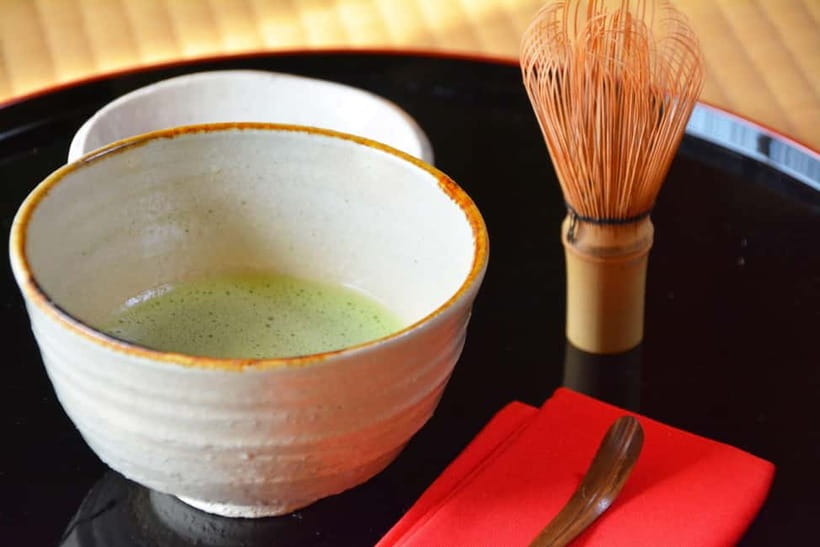
Osaka is a city that rewards appetite and energy, but a tea ceremony asks for a change of tempo. This experience gives you an hour to sit, listen, and pay attention to the small gestures involved in preparing tea. You do not need prior knowledge of tea or Japanese etiquette. The instructor explains the process as you go.
That short, focused format is part of the appeal. A formal tea gathering can be a longer commitment, while this session offers a manageable introduction that fits into a day of sightseeing. You get more than a cup of matcha, but it is still brief enough to pair with other plans.
I also like that the session includes both matcha and sencha. Matcha is the tea most closely associated with the ceremony, while sencha is commonly drunk in Japan today. Tasting both helps you connect a formal tradition with a type of tea that is part of everyday life.
The experience is led by a tea ceremony instructor, with English and Japanese available. Recent sessions have been associated with Yuko, whose teaching is described as friendly and whose English explanations have been praised. The instructor for your particular session may differ, so consider English-language instruction a stated option rather than a promise that one named teacher will always lead it.
More tea ceremonies around Osaka:
- Osaka: Tea Ceremony Experience
★ 4.9 · 1,426 reviews - Tea Ceremony Experience in Osaka Doutonbori
★ 5.0 · 754 reviews - Matcha Making Class in Osaka with Authentic Japanese Sweets Set
★ 5.0 · 509 reviews
Finding the meeting point
The meeting point is on the ground floor at Exit 3 of the Midosuji Line underground station. The directions are specific to the station exit, so check the route before setting out rather than relying on a general address.
If you are already using the Midosuji Line, this may fit neatly into your plans. If not, allow a little time to find the correct exit and ground-floor meeting place. The activity details do not give a precise street address, so confirm the meeting instructions when you book.
The session lasts one hour, and starting times depend on availability. That makes it easy to plan around, but do not assume you can simply arrive at any time. Check the available start times before building the rest of your day around it.
First, watch the tea master prepare matcha
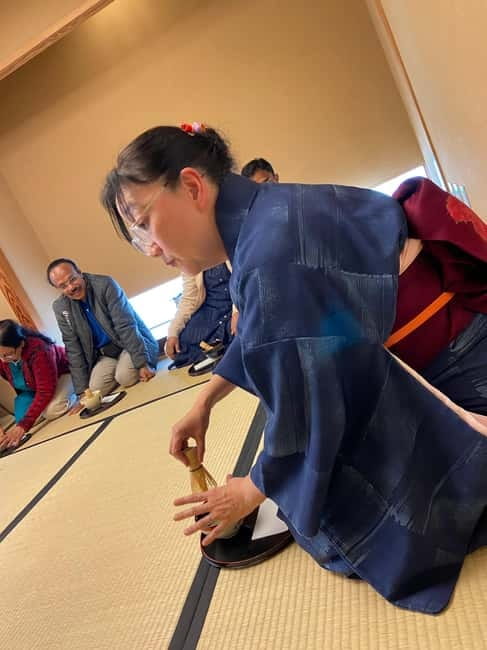
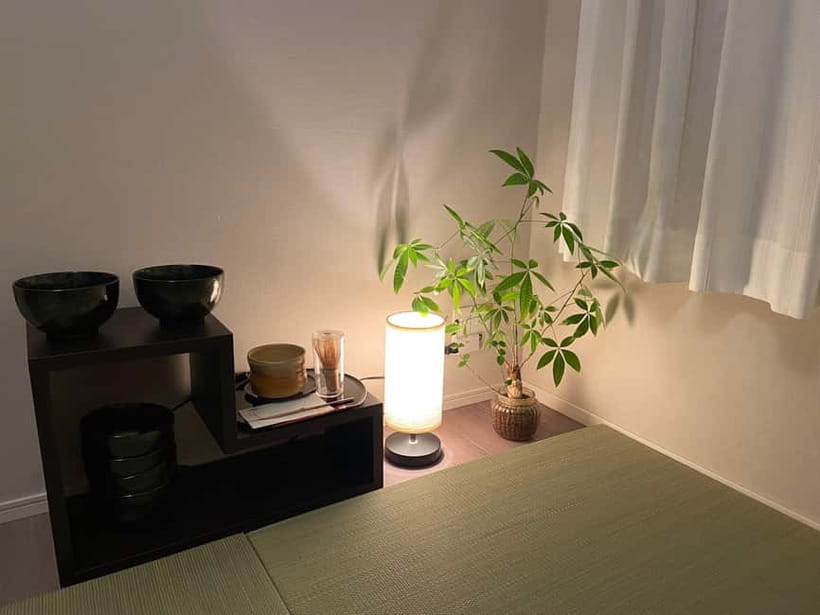
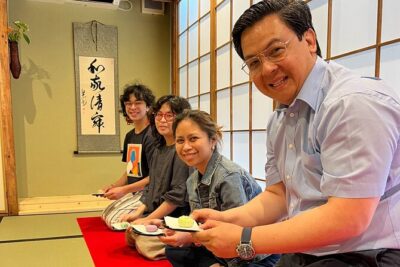
The session begins in a traditional tatami room, where the tea master welcomes you and prepares matcha. Watching first gives you a chance to see the ceremony’s method before you try it yourself. The setting matters: sitting on tatami places the lesson in a room associated with Japanese customs, rather than in a generic classroom.
The teacher also explains the history and spiritual role of the tea ceremony. That context helps make sense of why the experience focuses on etiquette and deliberate preparation, not just on producing a drink. You are being introduced to a practice with meaning as well as a recipe.
The available details do not specify every gesture or utensil you will learn, so it is best to approach this as an introduction, not an advanced course. If you are curious about the ceremony but have never studied it, that is likely the right level. You can observe, ask questions, and follow the instructor’s guidance without needing to arrive with background knowledge.
Make tea yourself, then taste matcha with sweets
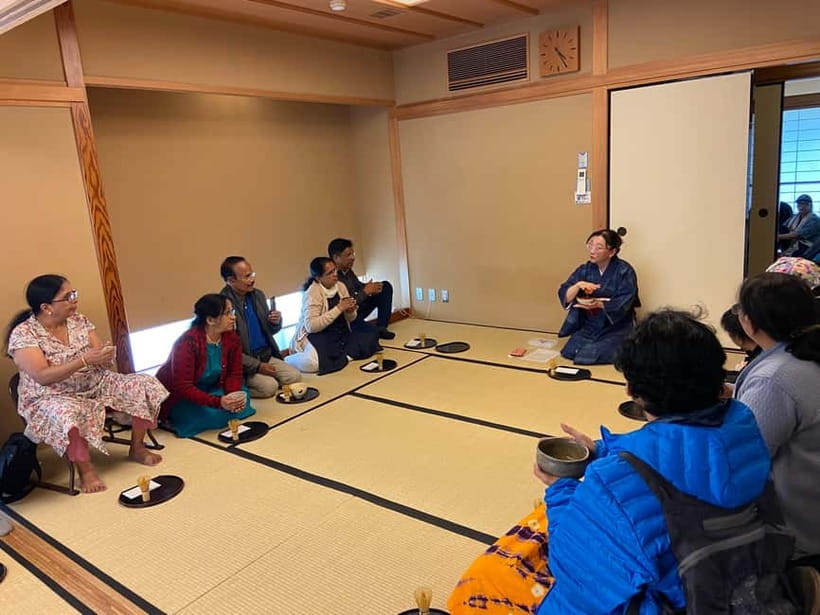
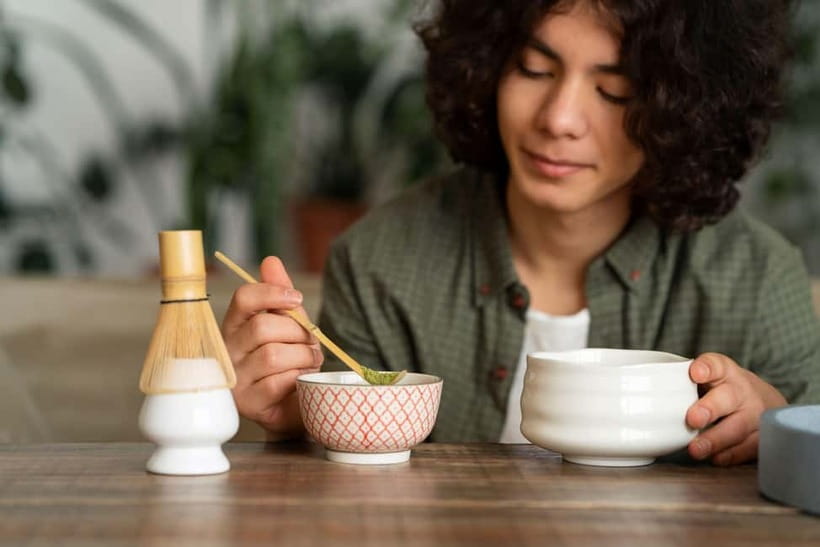
After the demonstration and explanation, you get to make tea yourself according to the etiquette of the ceremony. This practical part is the heart of the experience for anyone who wants to understand what happens beyond watching a formal preparation.
It is also where expectations matter. The activity promises a chance to experience making tea, but it does not describe a long, detailed workshop or a set of advanced techniques. Think of it as guided participation: enough to help you understand the process and its manners, rather than a qualification in tea preparation.
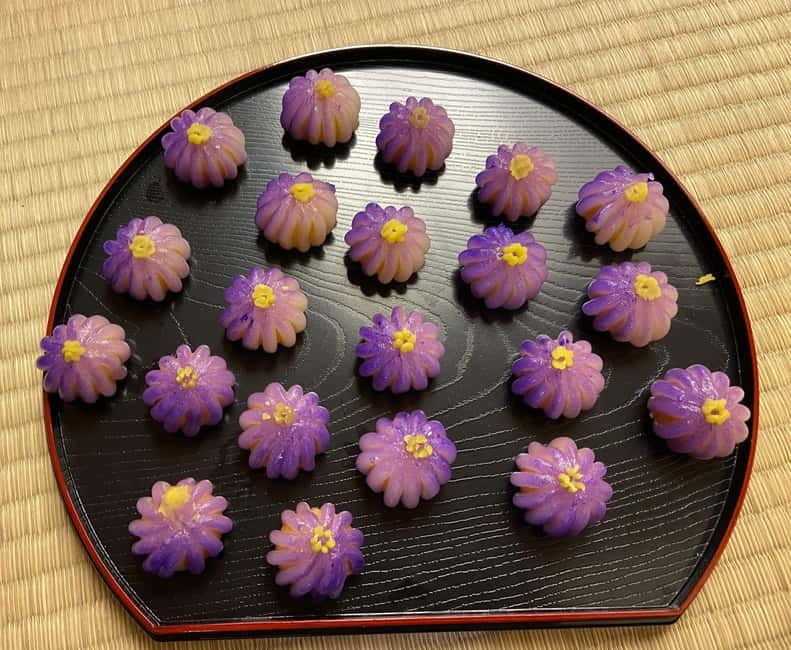
You then taste matcha with traditional Japanese sweets. The pairing gives you a chance to experience tea and confection together, rather than treating the drink as a standalone sample. Sweets are included, but they are not optional for people with allergies: the guidance says anyone with food allergies should not eat the Japanese sweets and confectionery.
That warning is worth taking seriously. The activity is listed as unsuitable for people with food allergies, and the details do not specify ingredients or alternatives. If you have an allergy, do not assume the sweets can be substituted.
More trips and experiences around Osaka:
- Osaka Go Karting Tour with Funny Costume
★ 5.0 · 2,658 reviews - Osaka Castle: Museum and Tower Entry Ticket
★ 4.5 · 2,380 reviews - Osaka: Shinsekai Food Tour with 13-15 Dishes at 5 Eateries
★ 4.8 · 2,204 reviews - Osaka Food Tour: 13 Dishes at 5 Local Eateries
★ 5.0 · 2,149 reviews
Sencha brings the lesson into everyday life
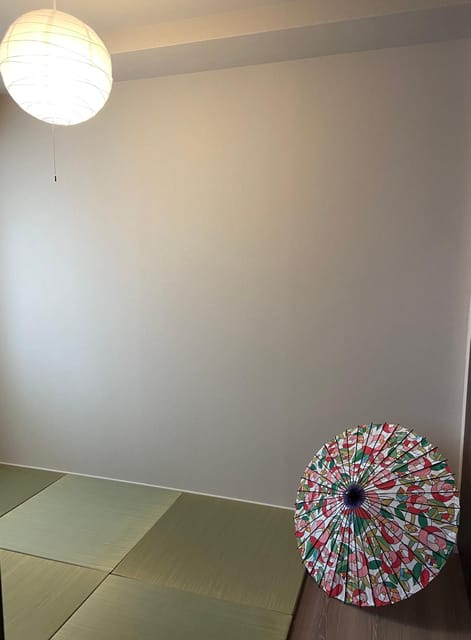
The second tea is sencha, served with current Japanese confectionery. The instructor explains the history of sencha and other aspects of the tea while you taste it. This gives the session a useful contrast: matcha anchors the ceremony, while sencha connects the tasting to tea commonly drunk in Japan today.
I find that comparison especially helpful for a first tea experience. It keeps the lesson from being only about a single formal tradition. You leave having tried two kinds of tea and heard why each belongs in the discussion, with a sweet pairing for each.
The activity does not provide a detailed tasting guide or promise that you will learn a full set of tea varieties. The value is more direct: an instructor-led introduction to matcha, sencha, ceremony etiquette, and some of the history behind them, all within an hour.
Yukata and photos are optional extras
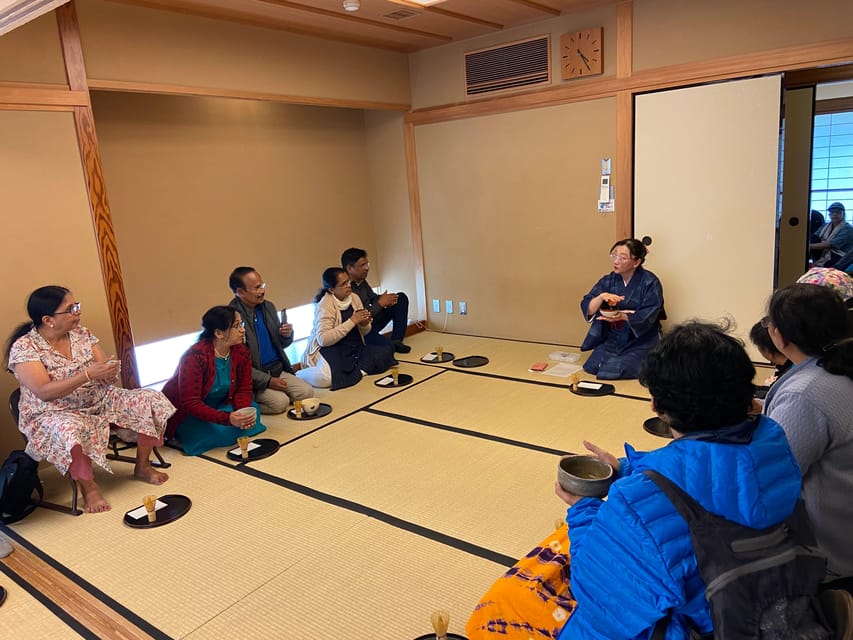
After the experience, you have the opportunity to have your photograph taken. You can also wear a yukata during the tea ceremony, but it must be selected as an additional option when booking. Yukata rental is not included in the base price.
This is a nice choice if you want a keepsake or enjoy dressing for the occasion. It is not essential to the tea lesson, though, and the core activity already includes the room, instruction, tea, and sweets. I would treat the outfit as a personal extra rather than a reason to book.
The details do not state how long dressing takes or how the photo is provided, so check the optional arrangement before paying if those points matter to you. The practical distinction is clear: tea and sweets are included; yukata rental is separate.
Is $25 good value for an hour?
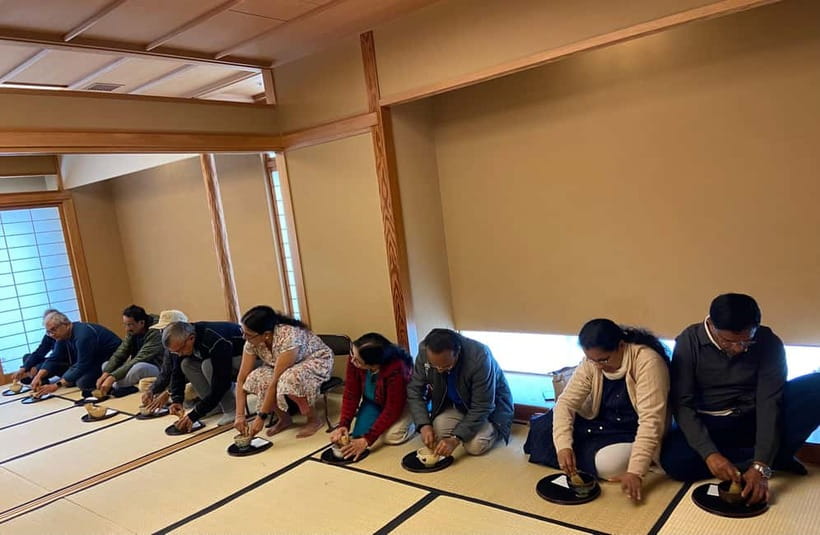
At about $25 per person, the price covers the instructor, matcha, traditional sweets, sencha, and another Japanese confection. You are paying for a guided cultural activity as well as the tasting. If you want an introduction to tea ceremony etiquette and a chance to make tea, that is a fair package for a one-hour session.
Value depends on what you want from the hour. If you are mainly looking for a large tea tasting or a lengthy hands-on class, the activity may feel brief. If you want a concise lesson with a tea master, a traditional setting, and two teas to try, it offers more context than simply ordering a cup at a cafe.
Meals are not included, so do not treat this as lunch or a full food experience. The sweets accompany the tea, but the activity is centered on the ceremony and instruction. Yukata rental is an added cost if you choose it.
The booking terms also allow you to reserve now and pay later, and you can cancel up to 24 hours in advance for a full refund. That flexibility is useful if your Osaka schedule is still taking shape, though you should still check the available start times before reserving.
Who should book this tea ceremony?
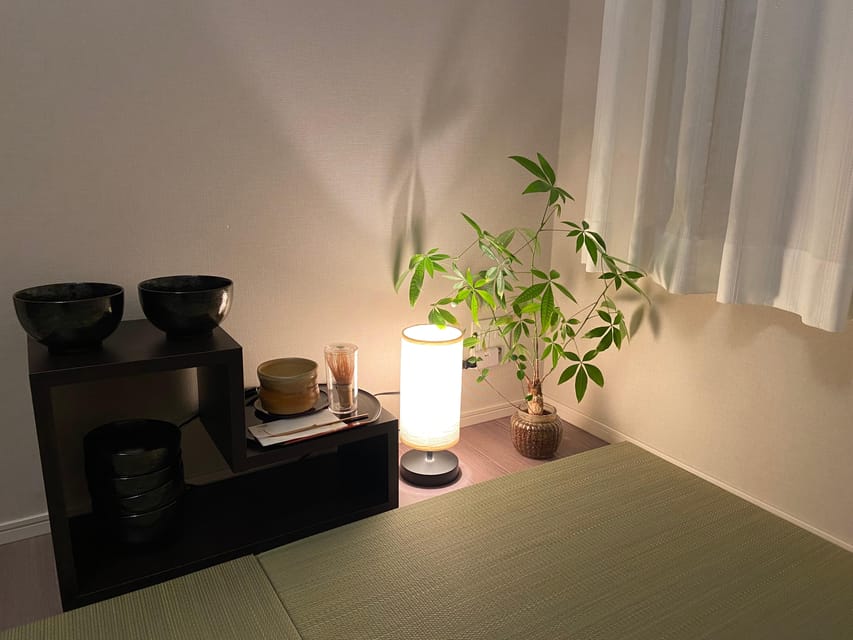
This experience suits you if you are curious about Japanese customs, want a short cultural activity in Osaka, or would like to understand the difference between ceremony-focused matcha and everyday sencha. It is especially useful if you prefer being shown how something works, then trying it yourself, rather than sitting through a lecture alone.
It can also work well as a quieter change of pace between more active sightseeing plans. The hour is short, the instruction is available in English, and the session includes both explanation and participation. If dressing in a yukata appeals to you, you can add that option and have a photo taken.
It is not suitable for wheelchair users, including people using non-folding or electric wheelchairs, and it is not suitable for people with food allergies. The venue also prohibits pets, smoking, alcohol and drugs, intoxication, weapons or sharp objects, chewing gum, scooters, noise, fire, and bachelor or bachelorette party groups. Those rules point to the calm, focused nature of the activity: this is a quiet lesson, not a lively group event.
My recommendation: Book it if you want a clear, hands-on introduction to tea ceremony in a traditional room, with an English-speaking instructor and two teas to taste. Skip it if you need wheelchair access, have food allergies, or want a long workshop with extensive practice. For most curious first-timers, the combination of matcha, sencha, sweets, and etiquette makes this a useful hour.
FAQ
How long does the tea ceremony experience last?
The activity lasts one hour. Starting times vary, so check availability when planning.
What teas will I taste?
You will taste matcha green tea and sencha green tea. Matcha is served with traditional Japanese sweets, while sencha is served with current Japanese confectionery.
Can I make tea myself?
Yes. The tea master first demonstrates matcha preparation, then explains the ceremony and gives you a chance to make tea according to its etiquette.
Is the instruction available in English?
Yes. Instruction is available in English and Japanese.
Where is the meeting point?
The meeting point is on the ground floor at Exit 3 of the underground Midosuji Line station.
Is yukata rental included?
No. Yukata rental is a separate option that you can select when booking. You can wear it during the ceremony and have a photograph taken.
Is this activity suitable for someone with a food allergy?
No. The activity is listed as unsuitable for people with food allergies, and the instructions say not to eat the Japanese sweets or confectionery if you have an allergy.
Is the activity wheelchair accessible?
No. It is listed as unsuitable for wheelchair users, including people using non-folding wheelchairs or electric wheelchairs.
Just added around Osaka
- Mount Koya from Osaka: Cultural Small Group Day Tour★ 5.0 · 3 reviews
- Matcha Tea Bowl Experience in Osaka★ 5.0 · 11 reviews
- Master Washoku: 5 Core Techniques for Authentic Cooking★ 4.7 · 7 reviews
- Manno: Osaka Premium Wagyu BBQ Experience Reservation★ 5.0 · 4 reviews
- Learning Shodo with a kimono and Trying Samurai Calligraphy★ 4.2 · 7 reviews
- Katsu Curry OR Bento Making Cooking Class & Local Shop Tour★ 4.9 · 11 reviews
- Himeji: Private Guide Tour of the Castle from Osaka or Kyoto★ 4.5 · 7 reviews
- Osaka and Nara Customized Private tour with English Driver★ 4.7 · 4 reviews
Osaka Tea Ceremonies, compared.
World Heritage Kyoto & Nara Uji Authentic Matcha Experience
Read our review →
Matcha Making Class in Osaka with Authentic Japanese Sweets Set
Read our review →
Authentic Tea Ceremony(Max 5 ppl) -Master Matcha Making
Read our review →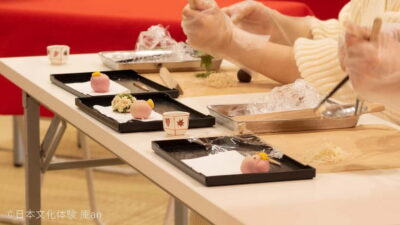
Japanese Traditional Sweets Making and Tea Ceremony
Read our review →
Osaka Temple Cool Foot Bath & Matcha Experience〈45min〉
Read our review →Browse the lists this tour appears in