
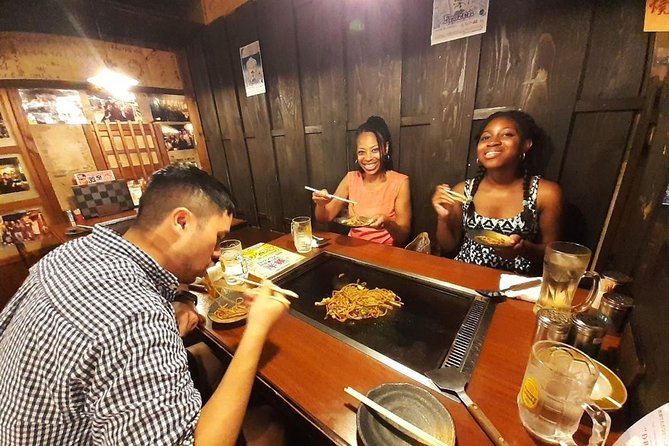
Reviewed · SHINSEKAI TOURS
Osaka Local Foodie Walking Tour in Dotonbori and Shinsekai
Osaka’s signature foods are best understood in the streets where people eat them, and this three-hour walk links Shinsekai’s kushikatsu joints with Dotonbori’s takoyaki, okonomiyaki, and neon-lit Glico sign. I like the way a small group of no more than seven leaves room for questions, and I like that local guides such as Aika and Yuma explain how food fits into everyday Osaka life.
The main consideration is value: at $111.42 per person, you are paying for a guided neighborhood walk and a handful of generous servings, not a long sequence of tasting stops. Some people have found the food selection limited or the walking pace too quick, so this suits curious first-timers more than dedicated food hunters seeking many small samples.
- Start in Shinsekai: Walk near Tsutenkaku Tower and Jan-Jan Yokocho, with six kushikatsu skewers included.
- Taste three Osaka staples: The package lists kushikatsu, one okonomiyaki, and a box of takoyaki, plus three drinks.
- Keep the group intimate: A maximum of seven makes it easier to ask about dishes, customs, and local sights.
- See more than restaurants: The route includes narrow alleys, Hozen-ji Temple, Ukiyo Alley, and the Glico sign.
- Plan for dietary limits: Gluten-free and vegan meals cannot be accommodated; vegetarian requests must be made in advance.
- Bring a little extra: Transportation costs 190 yen and are not included, and snacks beyond the listed servings may cost extra.
Osaka food with streetside context
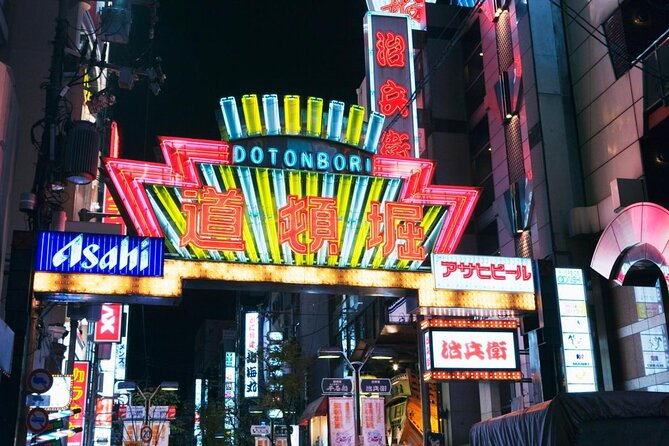
This tour connects two very different Osaka neighborhoods through food. Shinsekai has the older, nostalgic feel, with Tsutenkaku Tower above the streets and Jan-Jan Yokocho alley offering a close-up look at local shops and eateries. Dotonbori, by contrast, is famous for its bright signs, shopping streets, and crowds.
The guide’s role matters here. Aika, Yuma, Mich, Emi, and other local guides have been praised for explaining what is being eaten and tying food to local customs, history, and daily life. That can make a familiar dish more interesting, especially if you are new to Japan and want a little context alongside your first takoyaki.
Still, this is not a specialist food seminar. The experience mixes meals with sightseeing and conversation, and the quality of the explanation can depend on your guide. Some people have found the guiding lively and informative; others have wanted more narration between stops. If food history is your main reason for booking, ask questions as you go and tell your guide what interests you.
Starting near Tsutenkaku and Jan-Jan Yokocho
The walk begins at a FamilyMart in Osaka’s Nishinari Ward, near the Shinsekai area. The meeting point is an exact address, so check the map carefully before setting out. One person found it hard to access, and the location is not described as a major landmark. Arriving early is sensible, especially since the group leaves on time and late arrivals cannot join or receive a refund.
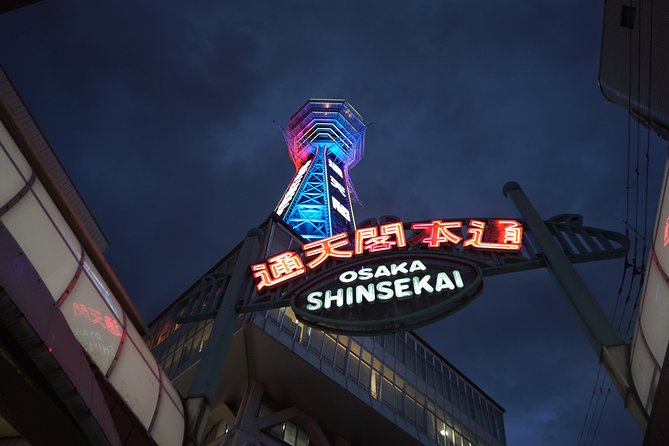
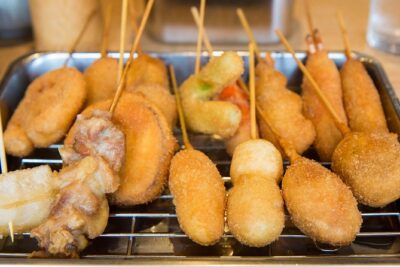
At Tsutenkaku, the tower provides a useful point of orientation. The tour then enters Jan-Jan Yokocho, a narrow alley where you can see the compact, everyday side of the neighborhood. Here, kushikatsu takes center stage: the included serving is six deep-fried skewers of meat and vegetables.
Kushikatsu is a good introduction to Osaka’s fondness for casual, satisfying food. The skewers are fried, so this first tasting is not a light salad-and-soup start. If you prefer a wider mix of cooking styles, keep that in mind: several of the tour’s featured dishes are fried or griddled.
You also get two of the three included drinks at the kushikatsu stop, with alcoholic and non-alcoholic options available. That is generous if you want to linger over a drink, but it may feel like more than you need if you would rather save room for food. The included drinks are part of the package, not a requirement to finish them.
More Dotonbori and Namba tours around Osaka:
- Osaka Bar Hopping Night Walking Tour in Namba (3 bars, 6 tastes)
★ 5.0 · 958 reviews - Osaka: Dotonbori District River Cruise with Drink Discount
★ 4.2 · 876 reviews - Ultimate Osaka Walking Tour: Castle, Dotonbori & Hidden Gems
★ 5.0 · 862 reviews
A walk through Shinsekai’s older streets
The Shinsekai portion includes the market area, Tsutenkaku Tower, and a Billiken statue. The route description calls one alley museum-like, suggesting an old-fashioned street scene that gives you a sense of how central Osaka looked decades ago. The appeal is less about a single landmark than about noticing how the neighborhood’s small lanes and storefronts fit together.
This is one of the better parts of the walk for getting oriented. A local guide can point out details you might pass without noticing and answer questions about the district’s everyday life. Several guides have also offered practical suggestions for places to visit after the tour, where to eat, and what snacks make good souvenirs.
The walking pace is not guaranteed to suit everyone. Some people have found it brisk, while others have considered the overall pace slow. That contrast suggests the rhythm can depend on the group, guide, and time spent at stops. If you have limited mobility or prefer frequent pauses, say so before the walk begins rather than assuming the group will automatically move at your preferred pace.
From Dōgu-ya-suji toward Dotonbori
The route moves toward Dotonbori and the Dōgu-ya-suji shopping street, known for shops selling cooking tools and kitchen goods. The itinerary names Hōchō-ya, a knife shop, as a possible stop. If you enjoy cooking or want a useful souvenir, this is a more practical detour than browsing another row of standard souvenirs.
The precise route can differ by day. The tour description notes a daytime visit for shopping on Dōgu-ya-suji and a nighttime explanation near Namba Grand Kagetsu, followed by shopping in the surrounding area. Treat this as a chance to look around, not a guaranteed amount of shopping time or a dedicated knife-making demonstration.
This stretch also shows how the tour balances food with neighborhood touring. That balance is a plus if you want to see more of Osaka than the inside of restaurants. It is a drawback if you expect to spend most of the three hours eating or meeting local cooks. The tour’s food stops are limited, and the walk between them is part of the experience.
Hozen-ji Temple and the lanes around it
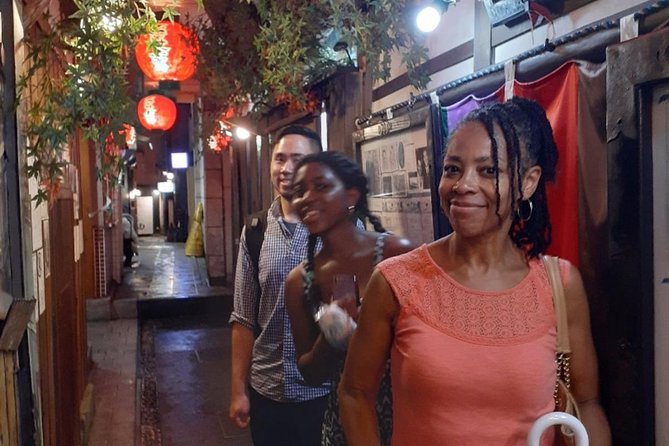
Hozen-ji Temple offers a quieter pause amid the busy streets. The route continues through Ukiyo Alley, a narrow passage that adds a different texture to the walk than the main shopping areas. Your guide may explain the temple and its place in the neighborhood, though the depth of that explanation can vary.
Timing matters here. If the visit takes place after dark, the temple setting may not be as easy to appreciate as it would be in daylight. This is a short stop, not an extended temple visit, so think of it as a brief cultural interlude between food and the brighter streets nearby.
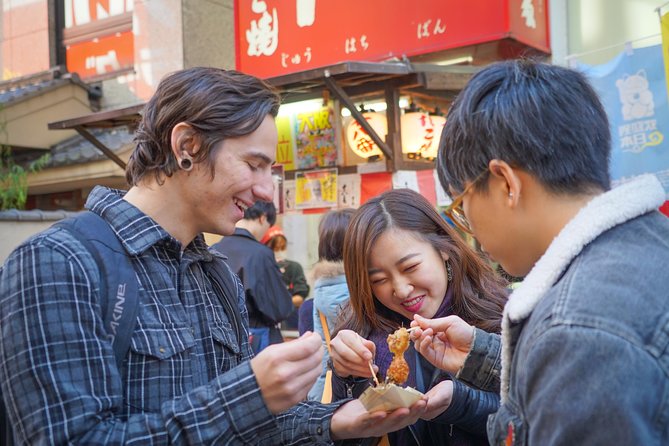
The route also includes snacks such as takoyaki and sweets, with an approximate extra cost of 500 yen mentioned for this portion. Takoyaki is a round, batter-based snack made with tender octopus and other ingredients. The package separately lists one box of takoyaki as included, but some outings have missed this dish, so it is worth checking with the guide if it does not appear as the tour progresses.
More Shinsekai tours around Osaka:
- Osaka: Shinsekai Food Tour with 13-15 Dishes at 5 Eateries
★ 4.8 · 2,204 reviews - Osaka: Tsutenkaku Tower Entry Ticket
★ 3.8 · 125 reviews - Osaka: Local Foodie Tour in Dotonbori and Shinsekai
★ 4.7 · 95 reviews - Retro Osaka Street Food Tour: Shinsekai
★ 4.5 · 77 reviews
Okonomiyaki, Glico, and the Dotonbori finish
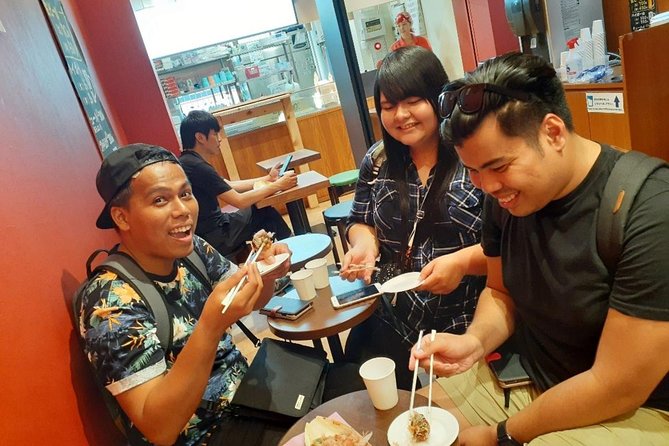
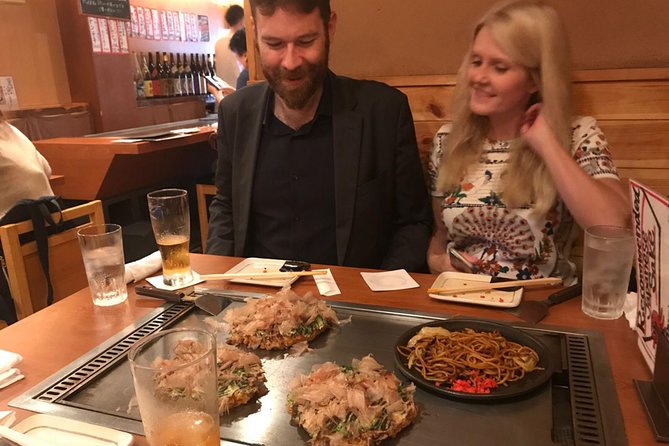
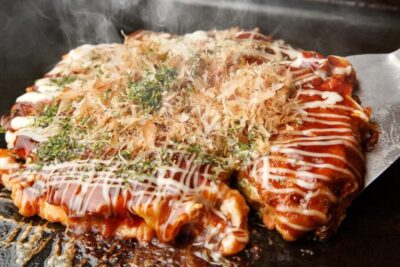
Okonomiyaki is the other substantial meal on the tour. The name combines okonomi, meaning as you like, with yaki, or grilled. It is a savory pancake-like dish with toppings, and the tour includes one piece. Some guides have let participants grill their own, which can turn dinner into an activity as well as a tasting, though that should not be treated as guaranteed.
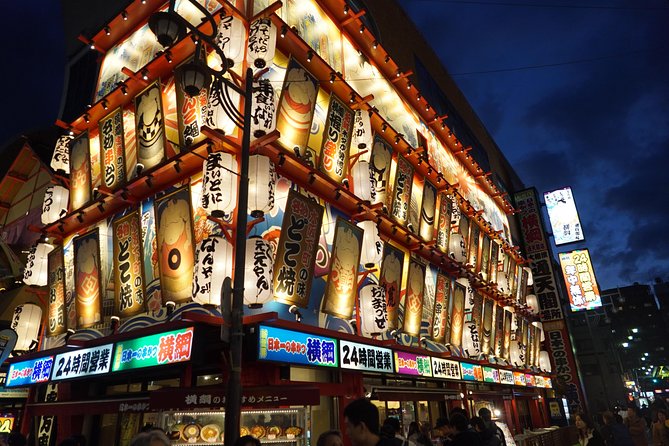
The tour ends in Dotonbori near the famous Glico sign, where there is time for photos. This is a popular photo stop, and your guide may help with pictures. Dotonbori is a useful place to continue exploring on your own after the tour, particularly if you want to browse or find another meal.
The listed stops add up to about two hours and twenty minutes, while the advertised duration is approximately three hours. Walking time and the pace of the group account for some of the difference, but actual duration can vary. A few people have felt the experience ended early, so avoid planning a tight connection immediately afterward.
What the food quantity and price really mean
At $111.42 per person, the price is easiest to justify if you value a local guide, neighborhood orientation, and included food and drinks together. The package lists six kushikatsu skewers, one okonomiyaki, one box of takoyaki, and three drinks. That is a satisfying amount for many people, especially if you are not arriving extremely hungry.
It is not necessarily the best deal for someone measuring value by the number of venues or distinct tastes. Some people have found that the tour visits only two main food places, with a third possible stop, and wished for smaller portions at more locations. Others have thought the food was delicious and appreciated dishes they might not have chosen on their own.
The menu also leans toward filling comfort food rather than a broad survey of Japanese cooking. Expect fried skewers, a savory pancake, and takoyaki, not a carefully staged progression of regional specialties. If you want a long list of tastings, research other options before booking. If you want to understand two famous Osaka neighborhoods while trying recognizable local dishes, the mix may suit you well.
Transportation is not included and costs 190 yen. You do not have to pay for the guide’s food or drinks. The listed food and beverages are included, but extra snacks, shopping, or additional drinks are your own expense.
Group size, pace, and practical planning
With a maximum of seven people, this is a genuinely small-group format compared with a large coach tour. If few others book, your party may have a more private-feeling outing. A family of six, for example, has had the tour to itself. Smaller groups can make it easier to ask questions and keep the conversation personal, though they do not guarantee that every guide will give the same level of detail.
This tour welcomes all ages, but the food and walking are not tailored to every diet. Gluten-free and vegan requests cannot be accommodated. A vegetarian course must be selected at booking or requested by the day before, and even vegetarian kushikatsu uses dashi made with pork broth. If you cannot eat dashi, notify the operator in advance so other vegetarian dishes can be prepared.
For allergies or other dietary needs, contact the operator at least one day ahead. Food is made in kitchens the tour company does not control, so allergy-free meals and substitutions cannot be guaranteed. The tour may also visit places where smoking is allowed, and the route may not be changed to avoid them.
Osaka’s weather deserves attention. Summer temperatures can reach 40°C, and winter lows can drop to -5°C. Wear shoes suitable for walking and dress for the forecast. The tour starts promptly, and a late arrival who misses the group cannot join later, reschedule, or receive a refund.
Who should book this Osaka walk?
I would choose this tour for a first evening or early day in Osaka if I wanted to meet a local, learn the layout of Shinsekai and Dotonbori, and try several of the city’s best-known dishes without planning every stop myself. It can also work for repeat visitors who want neighborhood context and company rather than a self-guided food crawl.
It is less suited to serious food enthusiasts who want many small tastings, obscure restaurants, or a deep discussion of cooking techniques. The listed menu is clear, but the number of venues and the amount of food can feel modest for the price. Your guide can make the cultural side worthwhile, but that part depends on how much explanation and conversation you get.
Book if you value a small group, local perspective, and classic Osaka dishes as one package. Skip it if you mainly want the lowest cost per bite or need a gluten-free, vegan, or guaranteed allergy-safe menu. If you do book, arrive early, bring questions, and leave room for one more snack after the Glico sign.
FAQ
How long is the Osaka food tour?
The tour lasts approximately three hours. The actual duration may vary with walking time and the group’s pace.
What food and drinks are included?
The package includes six kushikatsu skewers, one piece of okonomiyaki, one box of takoyaki, and three drinks. Alcoholic and non-alcoholic drinks are available.
How many people are in the group?
The group has a maximum of seven travelers.
Where does the tour start and end?
It starts at a FamilyMart in Nishinari Ward, at 1-chōme 17-6 Sannō, Osaka. It ends by the Glico sign in Dotonbori.
Is transportation included in the price?
No. Transportation fees are not included. The listed transportation cost is 190 yen.
Can the tour accommodate vegetarian meals?
A vegetarian course must be selected when booking or requested by the day before. The kushikatsu shop uses pork-broth dashi even in its vegetarian kushikatsu, so notify the operator in advance if you cannot have dashi.
Can the tour accommodate vegan or gluten-free diets?
No. Vegan and gluten-free diets cannot be accommodated on this tour.
Should I tell the operator about allergies?
Yes. Send dietary requests or allergy information at least one day before the tour. Allergy-free meals and substitutions cannot be guaranteed because the food is prepared in kitchens outside the operator’s control.
Can I cancel for a refund?
Yes, if you cancel at least 24 hours before the experience starts, you can receive a full refund. Cancellations or changes made less than 24 hours before the start are not accepted.
More walking tours around Osaka
- Osaka: Deep Backstreets Walking Tour with Dinner Option
★ 4.9 · 902 reviews - Osaka: Main Sights and Hidden Spots Guided Walking Tour
★ 4.9 · 702 reviews - Private Osaka Walking Tour: Highlights & Hidden Gems
★ 5.0 · 569 reviews - Osaka Castle Walking Tour and Castle Tower Admission
★ 5.0 · 561 reviews
More food tours around Osaka
- Osaka Food Tour: 13 Dishes at 5 Local Eateries
★ 5.0 · 2,149 reviews - Hungry Osaka Street Food Tour:15 Tastings & 3 Drinks with a Local
★ 5.0 · 1,727 reviews - Hungry Osaka Street Food Tour: 15 Dishes & 3 Drinks
★ 4.9 · 694 reviews - Kuromon Market Food Walking Tour in Osaka (6 stops, 6 tastes)
★ 5.0 · 550 reviews
Just added around Osaka
- Mount Koya from Osaka: Cultural Small Group Day Tour★ 5.0 · 3 reviews
- Matcha Tea Bowl Experience in Osaka★ 5.0 · 11 reviews
- Manno: Osaka Premium Wagyu BBQ Experience Reservation★ 5.0 · 4 reviews
- Master Washoku: 5 Core Techniques for Authentic Cooking★ 4.7 · 7 reviews
- Learning Shodo with a kimono and Trying Samurai Calligraphy★ 4.2 · 7 reviews
- Katsu Curry OR Bento Making Cooking Class & Local Shop Tour★ 4.9 · 11 reviews
- Himeji: Private Guide Tour of the Castle from Osaka or Kyoto★ 4.5 · 7 reviews
- Osaka and Nara Customized Private tour with English Driver★ 4.7 · 4 reviews
Shinsekai Tours, compared.

Shinsekai Food Tour with 13-15 Dishes at 5 Eateries
Read our review →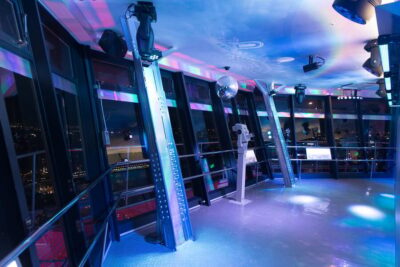
Night Soul Food Tour in Shinsekai with a local guide
Read our review →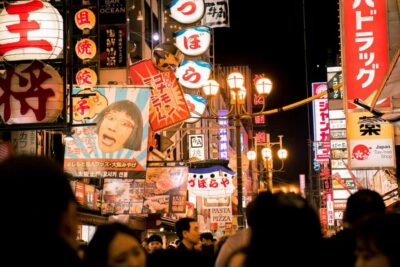
Osaka Morning Tour: Shitennoji Temple, Shinsekai &Doutonbori
Read our review →
Let’s Dance Bon Odori Japanese folk Dance near Tsutenkaku
Read our review →Browse the lists this tour appears in