
Reviewed · KYOTO DAY TRIPS FROM OSAKA
Kyoto and Nara UNESCO Highlights Full-day Tour From Osaka
Kyoto’s hillside temple paths, Fushimi Inari’s long rows of red gates and Nara’s roaming deer make an appealing trio, and this day trip links them without asking you to work out regional trains and transfers. For $62.75, you get bus transport and a guide who can help you make sense of a packed route.
I like two things in particular: three distinct stops give you a quick taste of Kyoto and Nara, and the bus saves time and navigation effort on a day with plenty of ground to cover. Guides such as Leo, Lu, Jason and Ms. Zhao have been praised for clear explanations, humor and practical help.
The trade-off is time. You get set blocks at each stop, not an unhurried day, and the tour is largely independent once the guide has set you up. Temple entry fees and lunch cost extra, and even a Kyoto pickup returns to Osaka.
At a glance: what matters most
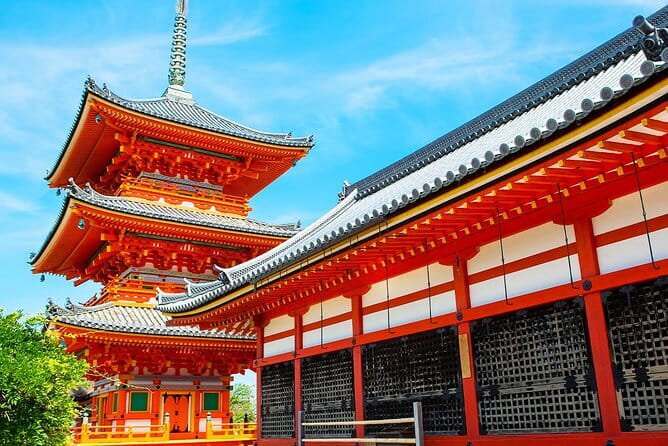
- Three headline stops in one day: Kiyomizu-dera, Fushimi Inari-taisha and Nara Park, with Todaiji Temple in Nara.
- A long but efficient schedule: The tour lasts about 9 hours and 20 minutes, with roughly two and a half hours in the Kiyomizu-dera area, 70 minutes at Fushimi Inari and 90 minutes in Nara.
- Bus transport from Osaka or Kyoto: Pickup is offered at Nipponbashi in Osaka or Kyoto-Hachijoguchi, but the only drop-off is in Osaka.
- Budget extra for admission and food: Kiyomizu-dera is listed at $5 and Todaiji at $7 per person. Lunch is not included.
- A multilingual, shared group: English, Mandarin and Japanese are offered, and the group can include up to 40 people.
- Good for first-time visitors with limited time: You get a broad introduction, but little time to linger or explore every side street.
Kiyomizu-dera and Kyoto’s old lanes
The morning begins at Kiyomizu-dera, one of Kyoto’s best-known temples, set on a hillside with views over the surrounding area. The schedule allows about two and a half hours for the temple and nearby streets, including Ninenzaka, Sannenzaka and Ishibe Alley. These lanes, with traditional wooden houses, offer a welcome change from the temple grounds themselves.
This is the longest stop, and that matters. You have time to see more than one landmark, but the hillside setting means walking uphill and moving between places. The bus parking area can also be some distance from the sights, so expect to walk before your sightseeing even begins. Comfortable shoes are the sensible choice.
Kiyomizu-dera admission is not included and is listed at $5 per person. That is a modest extra, but it is worth remembering when you compare the advertised fare with the day’s full cost. The tour price does not cover any other personal spending, either.
The Kyoto portion is not a guided walk from start to finish. The guide can introduce the area and explain where to go, then you have free time to explore at your own pace before meeting the group again. I see that as a useful balance if you like choosing your own photo stops and taking a break when you need one. If you want detailed commentary at every building, this format may feel light.
The route’s greatest strength is variety within a small area. You can pair a major temple visit with the older lanes around it rather than spending the whole morning at one site. The drawback is that a set departure time can make a leisurely café stop or a long browse through the streets difficult. Keep an eye on the return meeting time, not just the clock on your phone.
More Kyoto day trips around Osaka:
- Osaka/Kyoto: Hiroshima Miyajima Bus Tour & Shinkansen Ticket
★ 4.7 · 919 reviews - From Kyoto/Osaka: Kyoto Top Highlights 1-Day Guided Bus Tour
★ 4.5 · 714 reviews - Ancient Capital Tour: Kyoto and Nara Highlights from Kyoto/Osaka
★ 4.5 · 332 reviews
Fushimi Inari’s gates, with a firm time limit
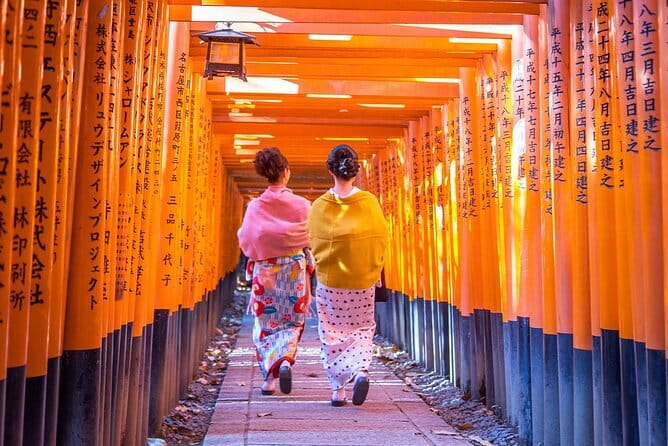
At about 1:30 p.m., the tour reaches Fushimi Inari-taisha, with roughly 70 minutes to explore. The shrine is known for its Senbon Torii, the rows of red torii gates that form one of Kyoto’s most recognizable sights. This is a striking stop even if you only have time to walk a short section.
The gates lead up the mountain, so a 70-minute visit is a taste rather than a full exploration. You will need to choose: take photos and stroll among the gates, or walk farther uphill and turn back with enough time to reach the bus. The tour does not promise a complete mountain route, and it is best not to treat the allotted hour as open-ended.
Admission here is free, which helps keep the day’s extra costs down. Still, the shrine can attract many visitors, and the famous gate corridors are a popular place for photos. A little patience helps, especially if you want a clear picture without a stream of people in the frame.
This stop also shows the value and limitation of a bus day trip. You reach a major site without working through a public-transit connection, but your visit is governed by the group’s schedule. If Fushimi Inari is a personal priority, you may prefer to give it a full morning or half-day on a separate visit.
Nara Park and the deer
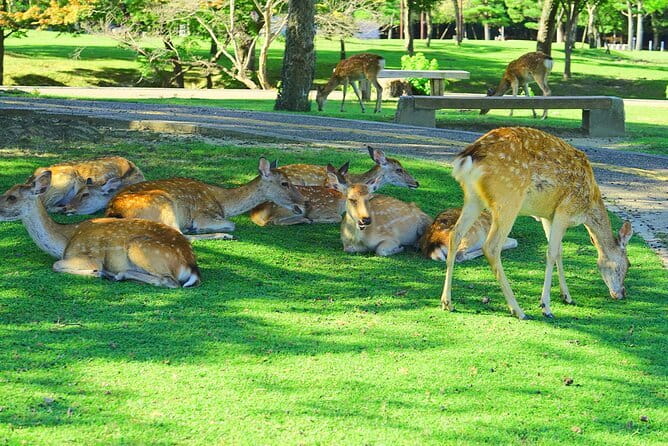
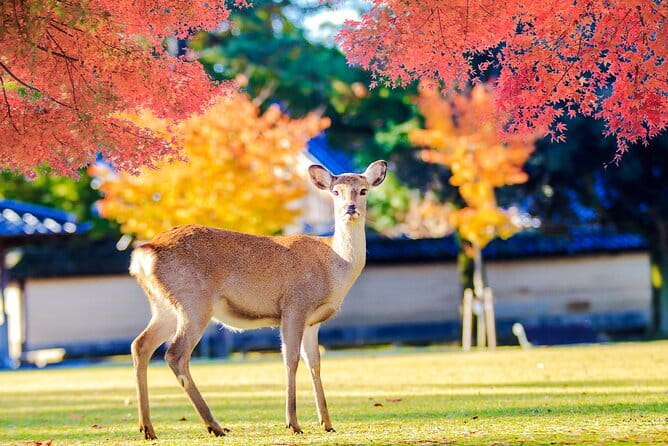
The final sightseeing stop is Nara Park, scheduled for about 4 p.m. with 90 minutes to explore. The park sits at the foot of Mt. Wakakusa and includes access to well-known sights such as Todaiji Temple and Kasuga Taisha Shrine. The deer are the scene-stealers for many people: they move freely around the park and offer a memorable contrast to Kyoto’s temple lanes.
That time block covers the park and its sights, so you will need to make choices. You can spend time with the deer, walk through the grounds and visit Todaiji, but you may not have time to give every place a thorough look. Some departures have found the time at Todaiji tight, especially when the visit falls late in the day. If seeing the temple’s great bronze Buddha is high on your list, head there promptly rather than saving it for the end.
Todaiji admission is listed at $7 per person and is not included. The temple is famed for housing the world’s largest bronze Buddha, making it the most substantial extra sight on this stop. Add the entry fee to the cost of the tour if you plan to go inside.
Nara is a rewarding finish, but it also comes after a full day of walking. The practical trick is to decide in advance whether the temple or the deer are your priority. You can enjoy both, but 90 minutes is not a generous allowance for a park, a major temple and a relaxed pause.
What the guide adds to a mostly independent day
The tour includes a multilingual guide, with English, Mandarin and Japanese listed. The format is shared, with a maximum of 40 people, so expect a group setting rather than a private guide. Explanations may be given in multiple languages, which can add useful context but can also make the bus introductions longer.
The most helpful guide work appears to happen between stops and around the practical details: explaining what you are seeing, giving suggestions and helping the group stay organized. Guides named on past departures include Leo, Lu, Jason, Ms. Zhao, Ako, Rick and Yujun. Assignments vary, so you should not book expecting a particular person.
Some guides have also used group messaging or shared links to help people find their way and keep in touch. That kind of support is valuable when you have free time and a firm bus departure. Still, treat the tour as partly self-guided: the guide does not appear to accompany every person through each temple and street.
If you value a lot of historical commentary at each stop, ask yourself whether a guide-led walking tour would suit you better. If you mainly want transport, useful orientation and a few explanations along the way, this arrangement makes more sense.
More city tours around Osaka:
- Private Osaka Walking Tour: Highlights & Hidden Gems
★ 5.0 · 569 reviews - Osaka: Five Must-See Highlights Walking Tour & Ramen Lunch
★ 4.7 · 411 reviews - Osaka Highlights: 4-Hour Walking Tour with Castle
★ 5.0 · 152 reviews - 5-Hour Osaka Highlights Bike Tour with Lunch
★ 4.8 · 146 reviews
The $62.75 fare and the real day’s cost
At $62.75 per person, the price is appealing for a full day that includes bus transport and several major sights. It can be especially good value if you are staying in Osaka and want to see both Kyoto and Nara without arranging separate train journeys. The convenience is the main purchase: one shared bus connects destinations that would otherwise require planning and transfers.
The basic fare is not the total cost. Add $5 for Kiyomizu-dera and $7 for Todaiji if you visit both, bringing the known total to $74.75 per person before lunch and any other spending. Fushimi Inari and Nara Park are listed as free-entry stops, but food is not included.
The bus is described as air-conditioned. However, some accounts of hot-weather departures describe uncomfortable conditions, including a bus without working air conditioning and a period when the vehicle could not idle for cooling while parked in a residential area. If you are traveling in peak summer, that is a real point to weigh, not a reason to assume every bus will have the same problem. Bring water and be prepared for heat while walking.
The tour is also sensitive to traffic, weather and other unexpected conditions. The schedule may change, sightseeing time may be shortened, or an attraction may be canceled for safety reasons. Avoid arranging a tight activity after the return, particularly because the stated return is to Osaka and the end time is approximate.
Meeting points, walking and other practical details
You can board at 8:40 a.m. at Nipponbashi Exit 2 in Osaka, or at 9:50 a.m. at the Kyoto-Hachijoguchi Bus Loading Area. The meeting point is listed as 1-chōme-3-6 Nipponbashi, Chuo Ward, Osaka, for the Osaka start. Even if you join in Kyoto, the only drop-off location is Osaka, so this tour is not a good choice if you need to finish your day in Kyoto.
Arrive 15 minutes early and look for the guide holding a yellow flag marked with the Gogoday logo. Late arrivals and no-shows are not refunded, so leave extra time to find the right place. You need only give the guide the name on your booking to join.
Expect a good deal of walking at the sights, including uphill sections around Kiyomizu-dera and a walk between the bus parking area and some scenic spots. The tour notes that most people can participate, but it does not promise that the route is easy or level. Pack comfortable shoes and carry some cash, since certain places may not accept credit cards.
The day is best for someone who wants a broad overview, values simple transport and can keep moving. It is less suited to a visitor who wants long temple visits, a slow lunch or a flexible return time. The route has a lot to offer, but it asks you to accept the clock as part of the deal.
Should you book this Kyoto and Nara day trip?
Book it if you have one day to spare, are based in Osaka and want to see three headline sights without managing the transport yourself. The combination of Kiyomizu-dera, Fushimi Inari and Nara Park gives you a useful first look at the region, and the price is reasonable once you understand which admissions and meals are extra.
Skip it if you prefer an unhurried visit, want a deep look inside every temple or need to end in Kyoto. The strongest choice for most people is to treat this as an efficient introduction, not a complete exploration. Plan your priorities before the bus arrives at each stop, and you will make better use of the limited free time.
FAQ
How long is the tour?
The tour lasts approximately 9 hours and 20 minutes.
Where can I join the tour?
You can meet the bus at Nipponbashi Exit 2 in Osaka at 8:40 a.m. or at the Kyoto-Hachijoguchi Bus Loading Area at 9:50 a.m.
Does the tour return to Kyoto?
No. The only drop-off location is Osaka, including for people who join at the Kyoto pickup point.
Which places are included in the itinerary?
The planned stops are Kiyomizu-dera Temple, Fushimi Inari-taisha Shrine and Nara Park, where you can also visit Todaiji Temple.
Are temple entrance fees included?
No. Kiyomizu-dera is listed at $5 per person and Todaiji at $7 per person. Fushimi Inari and Nara Park are listed as free-entry stops.
Is lunch included?
No. Lunch is not included in the tour price.
What languages does the guide speak?
The tour lists guide service in English, Mandarin and Japanese. The group can include participants from different countries, and explanations may be given in multiple languages.
More full-day trips around Osaka
- Osaka: Minoh, Katsuoji Temple, & Minoh Falls Full-day Tour
★ 4.9 · 172 reviews - Osaka’s Best and Brightest: Private Full-Day Tour by Vehicle
★ 5.0 · 147 reviews - Full Day Tour of Kyoto with Private Transportation
★ 5.0 · 130 reviews - Full Day Hiroshima and Miyajima Tour by Bullet Train from Osaka
★ 4.5 · 117 reviews
Just added around Osaka
- Mount Koya from Osaka: Cultural Small Group Day Tour★ 5.0 · 3 reviews
- Matcha Tea Bowl Experience in Osaka★ 5.0 · 11 reviews
- Master Washoku: 5 Core Techniques for Authentic Cooking★ 4.7 · 7 reviews
- Manno: Osaka Premium Wagyu BBQ Experience Reservation★ 5.0 · 4 reviews
- Learning Shodo with a kimono and Trying Samurai Calligraphy★ 4.2 · 7 reviews
- Katsu Curry OR Bento Making Cooking Class & Local Shop Tour★ 4.9 · 11 reviews
- Himeji: Private Guide Tour of the Castle from Osaka or Kyoto★ 4.5 · 7 reviews
- Osaka and Nara Customized Private tour with English Driver★ 4.7 · 4 reviews
Kyoto Day Trips from Osaka, compared.
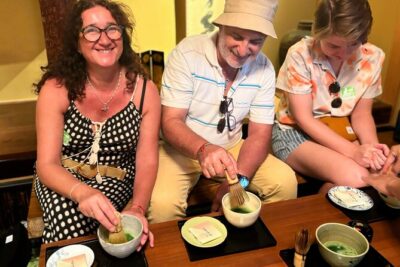
World Heritage Kyoto & Nara Uji Authentic Matcha Experience
Read our review →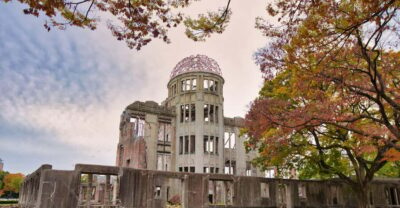
Hiroshima Miyajima Bus Tour & Shinkansen Ticket
Read our review →
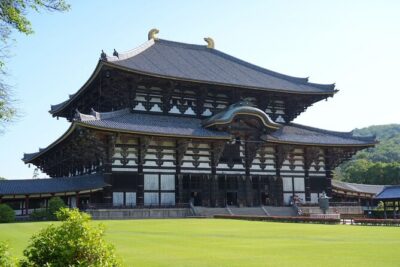
Nara Early Morning Tour (Kyoto or Osaka Departure Available)
Read our review →
Ancient Capital Tour: Kyoto and Nara Highlights from Kyoto/Osaka
Read our review →
Browse the lists this tour appears in