
Reviewed · OSAKA SAMURAI EXPERIENCES
Experience Samurai and traditional Culture to the fullest
Calligraphy, tea, a katana, and samurai armor all fit into this three-hour private experience near Osaka Castle. You begin in kimono, learn a few traditional arts, then move from brushwork to sword cutting before posing in armor for photos with the castle behind you.
I like the mix of quiet practice and physical activity: calligraphy and tea ceremony offer a slower introduction to Japanese manners, while the sword session gives you a hands-on lesson in handling a weapon. I also like that the experience ends with professional photos, so you leave with more than a hurried phone snapshot. One consideration: at $168 per person, this is a special-interest activity, not a low-cost history stop, and the optional seppuku session may not suit everyone.
- Start in kimono: Get changed before trying calligraphy and learning traditional gestures.
- Write a chosen kanji: Practice brush handling and basic strokes, then create a samurai-style farewell inscription.
- Take part in a tea ceremony: Learn about etiquette and hospitality as powdered green tea is prepared and served.
- Try sword cutting: Learn how to handle a samurai sword and make a supervised cutting attempt.
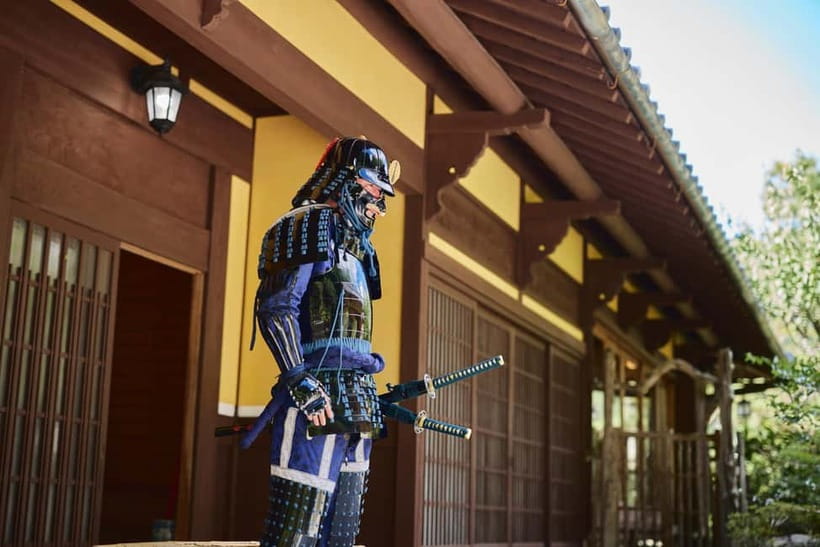
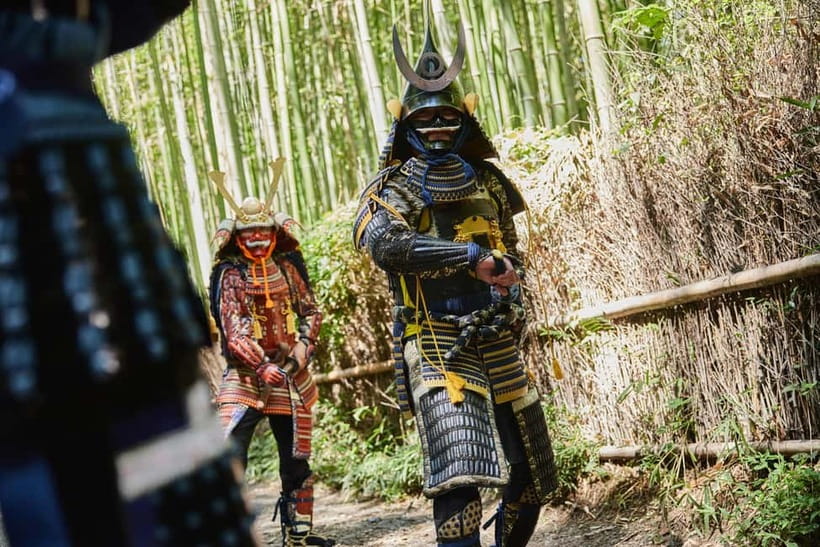
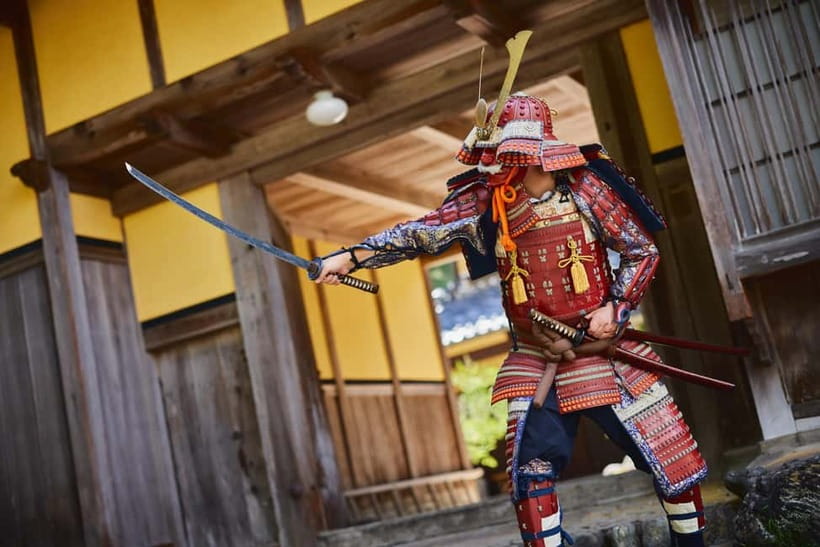
- Pose in armor: Wear a suit of armor for a photo session with Osaka Castle in the background.
- Book as a private group: The three-hour session includes English-speaking staff, with other interpreter languages available by request and schedule.
From Kimono to Calligraphy
The session begins with a change into kimono, described here as a symbol of Japan. This first step is more than a costume change: it sets a traditional tone for the activities that follow, where manners and gestures matter as much as the finished calligraphy or tea.
Bring a T-shirt to wear beneath the clothing. You are asked to arrive 30 minutes before your reserved start time for instructions and changing. That early arrival is worth planning for, since the published three-hour duration refers to the activity itself, not your trip to the meeting point or the time you need beforehand.
Calligraphy starts with preparation. You learn how to hold the brush, use the tools, and make basic strokes such as tome, hane, and harai. Then you choose a kanji character and practice it in the correct stroke order. The point is not simply to produce a neat souvenir. You get a small lesson in the attention and control behind the writing.
The next step is called samurai calligraphy, or words of resignation. The idea is that a samurai facing death would write final words before leaving this world. You use the character you chose earlier and focus on the brush technique. It is a solemn theme, but the activity is presented as a calligraphy exercise, not as a history lecture. If you want more context about the custom, ask your instructor; the available information does not specify how much historical explanation is included.
Taken together, the two writing sessions are allotted about 30 minutes. That is enough time to learn the basics and make a considered attempt, but not enough to master calligraphy. I would think of it as a guided introduction, with the chance to slow down and pay attention in a way that can be hard to do on a packed sightseeing day.
Tea Ceremony and the Value of Slowing Down
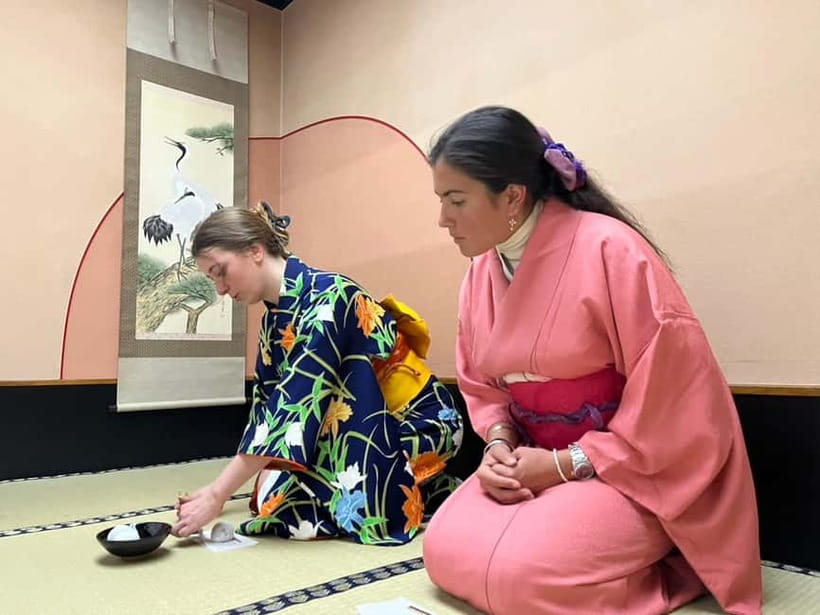
The tea ceremony lasts about 30 minutes. A tea master prepares and serves powdered green tea, while the session introduces etiquette, hospitality, and careful gestures. The stated emphasis is on how these practices express a wider sense of courtesy and respect.
This is a useful counterweight to the more theatrical parts of the program. You are not simply moving from one photo opportunity to the next; the tea ceremony asks you to watch, follow the forms, and notice the care given to serving. If you are curious about Japanese customs but do not want a long formal lesson, half an hour offers a manageable first look.
The experience connects tea practice with the samurai ideal of honor. That connection gives the ceremony a theme beyond drinking tea, though the level of historical detail will depend on the instructor. The staff speak English by default, and interpreters in Spanish, Italian, French, Chinese, Thai, and Indonesian may be available. Ask about their schedule before booking if you need a language other than English, since availability is limited.
More samurai and ninja experiences around Osaka:
- Samurai Training Experience KENDO in Osaka
★ 5.0 · 515 reviews - OSAKA NIGHT FUSION Japanese Taiko Kabuki Samurai Dance Show
★ 4.8 · 155 reviews - Osaka: Samurai Training Experience KENDO in Osaka
★ 5.0 · 111 reviews
Learning to Handle a Samurai Sword
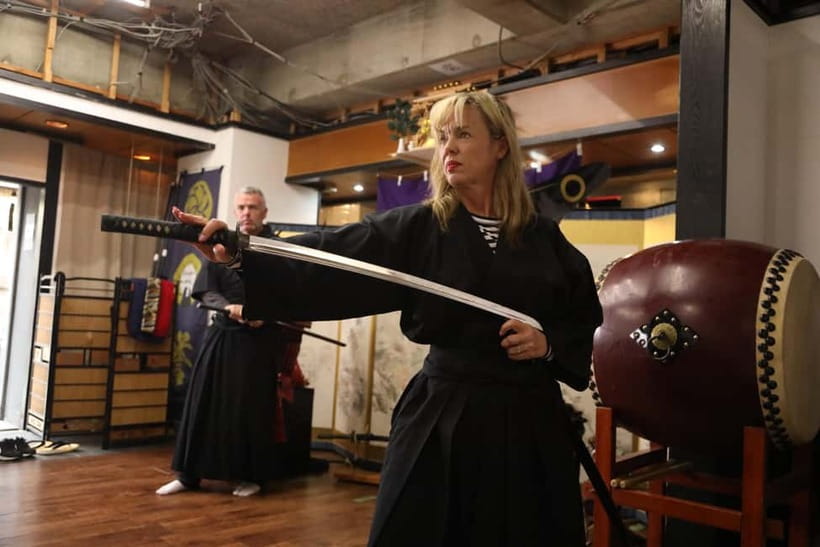
The sword session is one of the more unusual parts of the program. You learn how to use a samurai sword and are allowed to wear a serious sword before trying a cutting exercise. The stated lesson is not just about technique: it also draws attention to self-respect and the responsibility that comes with carrying a deadly weapon.
The cutting attempt is described as a chance to test the blade. That makes this different from simply holding a prop for a picture, and it is likely to be the part you remember most if you are interested in martial culture. The session is scheduled for about 30 minutes, so expect an introduction and a chance to try the activity, not a full course in swordsmanship.
A professional instructor is included. The precise safety procedures and the material used for cutting are not specified, so ask the staff directly if you want those details before participating. Follow the instructor’s directions closely. A sword is not a toy, and the activity itself makes clear that handling one carries responsibility.
The wording about samurai risking their lives to entertain is dramatic, but the practical takeaway is simpler: this is a staged cultural activity, not a real battle or a test of combat skill. Go for the guided introduction and the chance to handle a sword, rather than expecting a martial arts qualification.
Armor, Osaka Castle, and the Photo Session
After the sword practice, you put on samurai armor for a session themed around the Battle of Osaka. The scenario places you in April 1615, on the Toyotomi side during the Osaka Summer Battle. You are posed as a soldier heading into battle, with photos taken against the backdrop of Osaka Castle.
The armor portion is listed as about 30 minutes, followed by another 30 minutes for photography. The experience description also says the armor is worn indoors, while the photos are taken on the grounds of Osaka Castle. It is worth clarifying the exact photo location and how the group gets there when you book, since transportation is not included.
This is the most theatrical part of the day, and that is not a criticism. The setting gives the costume a clear link to Osaka’s past, while the camera work means you can focus on the pose instead of trying to manage a phone and armor at once. Photo files are sent to a designated email address. Movie filming is a paid option, so check the cost if moving footage matters to you.
The session is promoted as the only place near Osaka Castle where you can try being a samurai. Treat that as the provider’s description, not a reason on its own to book. The more useful point is that the experience combines armor and a castle-background photo with the cultural activities earlier in the program.
The Optional Seppuku Session
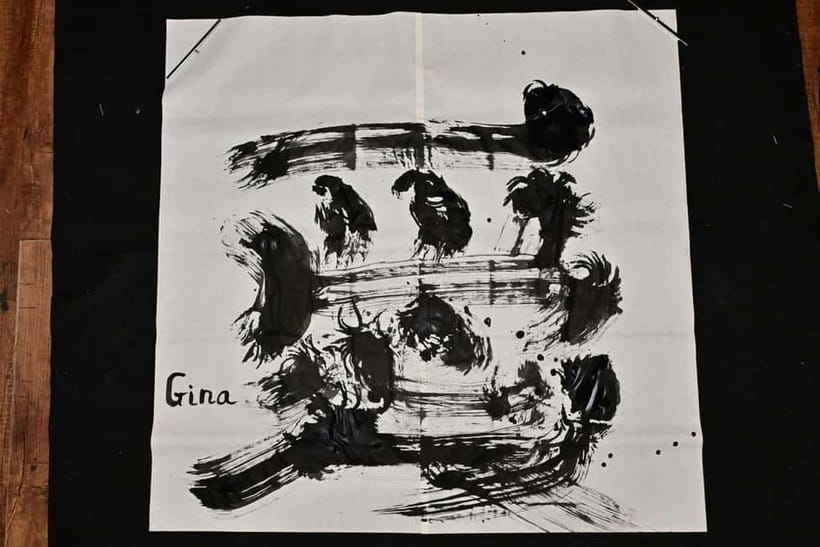
A separate 30-minute option covers seppuku, also called harakiri. It is framed around samurai duty, righteousness, and the idea of choosing a beautiful death rather than facing dishonor. This is a serious and potentially uncomfortable subject, not a light add-on for everyone.
The activity is marked as optional, and it is not listed among the included features. Confirm whether it is available, what it costs, and how it fits with the three-hour schedule before you reserve. If you are mainly interested in calligraphy, tea, sword handling, and armor, you can focus on those core activities without assuming this extra session is part of the standard booking.
More trips and experiences around Osaka:
- Osaka Go Karting Tour with Funny Costume
★ 5.0 · 2,658 reviews - Osaka Castle: Museum and Tower Entry Ticket
★ 4.5 · 2,380 reviews - Osaka: Shinsekai Food Tour with 13-15 Dishes at 5 Eateries
★ 4.8 · 2,204 reviews - Osaka Food Tour: 13 Dishes at 5 Local Eateries
★ 5.0 · 2,149 reviews
Is $168 a Fair Price?
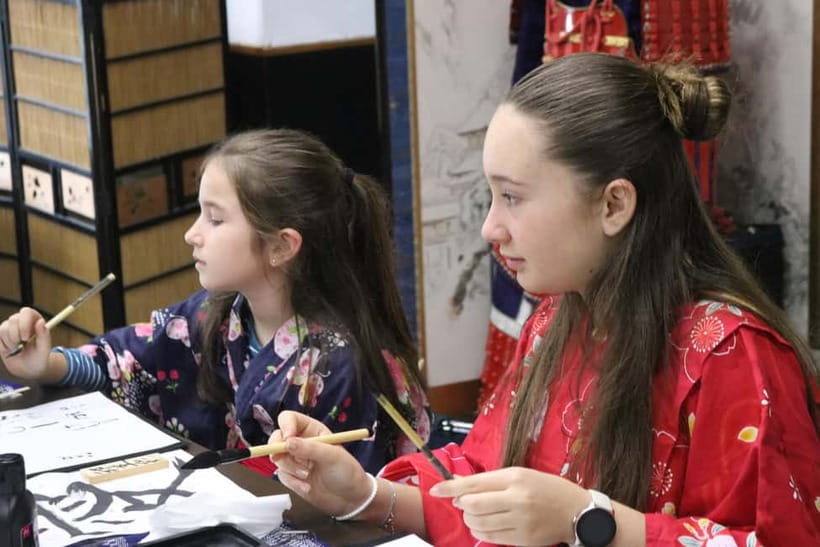
At $168 per person, this is best judged as a multi-part private activity, not as a quick costume rental. The stated price includes kimono and armor, calligraphy, tea ceremony, sword trial cutting, an instructor, English-speaking staff, tax, tips, and a photo shoot with the files sent by email. You are paying for a structured three-hour program with several distinct activities and personal guidance.
The private-group format is a plus if you want to ask questions, move at your own pace, or take part with family or friends. It also means the activity is less like watching a large public demonstration and more like following a guided sequence. The price will feel worthwhile if you want to participate in each part and value the photos. If you only want a quick armor portrait, the full program may be more than you need.
The published price does not include transportation, hotel or station pickup, personal expenses, or movie filming. Getting to the meeting point is your responsibility. The address is Excellence Takayama 1F, 2-3-19 Shiginonishi, Joto-ku, Osaka. Look for a wooden sign reading Honor of the Samurai, pamphlets outside, or kimono and hakama hanging nearby. Check the route before setting off, and allow time to arrive 30 minutes early.
Who Will Get the Most from It?
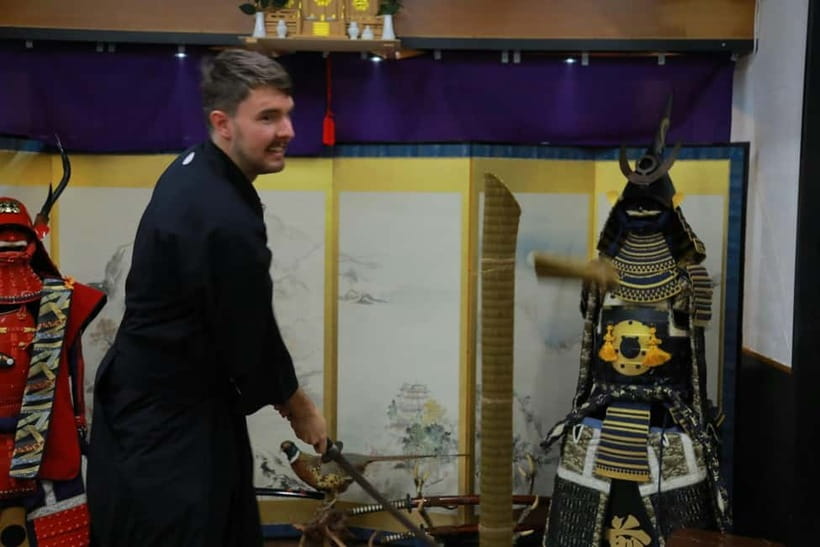
This suits adults and older children who want to do more than see samurai objects behind glass. It is a particularly good fit if you are interested in Japanese arts, want an active cultural stop in Osaka, or would enjoy taking home professional photos in armor. The combination of brushwork, tea, sword handling, and dress-up gives the session variety.
It is less suitable if your main interest is a detailed history lecture. The program is built around participation, and the exact depth of historical commentary is not specified. Nor is it the right choice if you are uneasy around weapons or uncomfortable with the seppuku theme; the latter is optional, but sword cutting is part of the listed core activities.
Children under 10, babies under one, and people over 95 are listed as unsuitable. Pets, strollers, baby carriages, alcohol, and drugs are not allowed. The session is private, but the maximum group size is not specified, so ask the provider if you need to know how many people can join.
Should You Book This Samurai Experience?
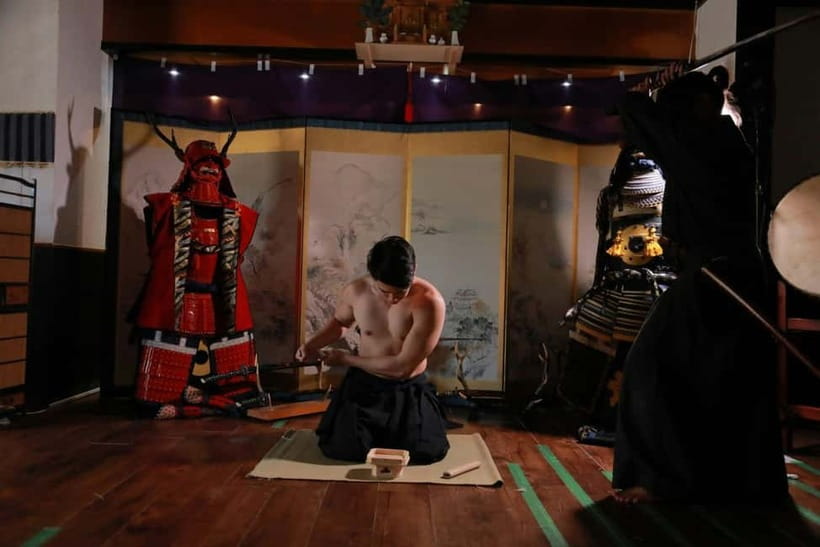
Book it if you want a hands-on introduction to several traditions in one sitting, especially if the sword lesson and armor photos appeal to you. The strongest value comes from doing the full sequence, not from treating it as a quick photo stop. If you want other language support, need clarity about the optional seppuku or paid movie, or have questions about the sword-cutting setup, confirm those points before paying.
You can reserve without paying immediately and cancel up to 24 hours in advance for a full refund. That flexibility helps if your Osaka plans are still taking shape. Just remember to plan your own transport and arrive early for changing.
FAQ
How long does the experience last?
The activity lasts three hours. You are asked to arrive 30 minutes before your reserved start time for instructions and changing.
What is included in the $168 price?
The listed inclusions are samurai clothing, armor, an instructor, English-speaking staff, calligraphy, tea ceremony, sword trial cutting, photography, photo files sent by email, tax, and tips.
What should I bring?
Bring a T-shirt to wear beneath the clothing.
What languages are available?
English is the default. Spanish, Italian, French, Chinese, Thai, and Indonesian may be available by request, but staff availability is limited. Ask about the schedule before booking.
Is transportation included?
No. Pickup and drop-off at a train station or hotel, as well as transportation, are not included.
Is the seppuku activity included?
It is listed as an optional 30-minute activity, not among the included features. Confirm its availability and any additional cost with the provider.
Just added around Osaka
- Mount Koya from Osaka: Cultural Small Group Day Tour★ 5.0 · 3 reviews
- Matcha Tea Bowl Experience in Osaka★ 5.0 · 11 reviews
- Master Washoku: 5 Core Techniques for Authentic Cooking★ 4.7 · 7 reviews
- Manno: Osaka Premium Wagyu BBQ Experience Reservation★ 5.0 · 4 reviews
- Learning Shodo with a kimono and Trying Samurai Calligraphy★ 4.2 · 7 reviews
- Katsu Curry OR Bento Making Cooking Class & Local Shop Tour★ 4.9 · 11 reviews
- Himeji: Private Guide Tour of the Castle from Osaka or Kyoto★ 4.5 · 7 reviews
- Osaka and Nara Customized Private tour with English Driver★ 4.7 · 4 reviews
Osaka Samurai Experiences, compared.
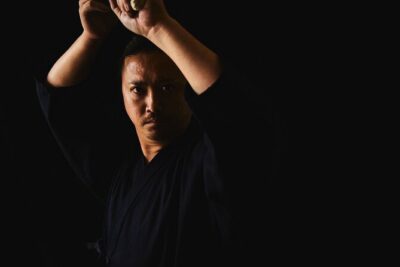

OSAKA NIGHT FUSION Japanese Taiko Kabuki Samurai Dance Show
Read our review →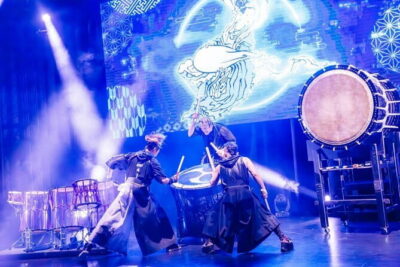
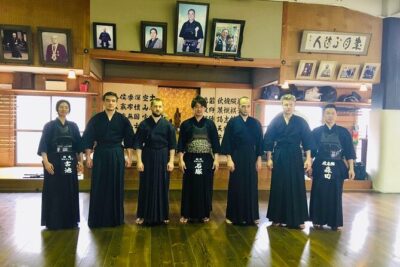
Osaka 2-Hour Genuine Kendo / Samurai Experience In Japan
Read our review →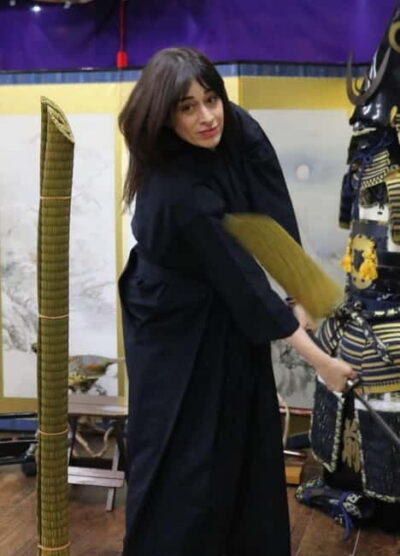
Learn Bushido – Trial Slashing with Samurai Sword
Read our review →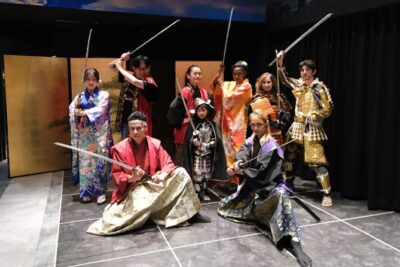
Samurai Show, Tea Ceremony, Japanese Traditional Activities
Read our review →
Private Samurai Experience – Train with Sword Master
Read our review →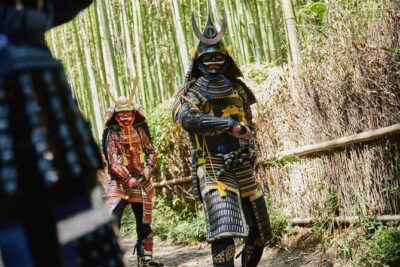
Honor – Experience Samurai & traditional Culture to the fullest
Read our review →Browse the lists this tour appears in