
Reviewed · KYOTO DAY TRIPS FROM OSAKA
Kyoto & Nara & Uji: Full Day Sightseeing Tour from Osaka or Kyoto
The day’s biggest contrast is its appeal: you can watch Nara’s deer bow for treats, then walk beneath the red torii gates of Fushimi Inari, with Uji’s tea country in between. In about nine hours, this tour links three destinations that would take more planning to stitch together on your own.
I like the range of sights, from Tōdai-ji’s great temple hall to Uji’s matcha shops, and the choice of starting in Osaka or Kyoto. The trade-off is pace: with a large group and several stops, you’ll get a taste of each place rather than hours to wander.
Key points before you book
- Nara’s deer and Tōdai-ji: See free-roaming deer in the park, then visit one of Japan’s best-known temples.
- Uji is more than a tea stop: You’ll have time for riverside scenery, Byōdo-in Temple and its Phoenix Hall, and matcha shops along Omotesando.
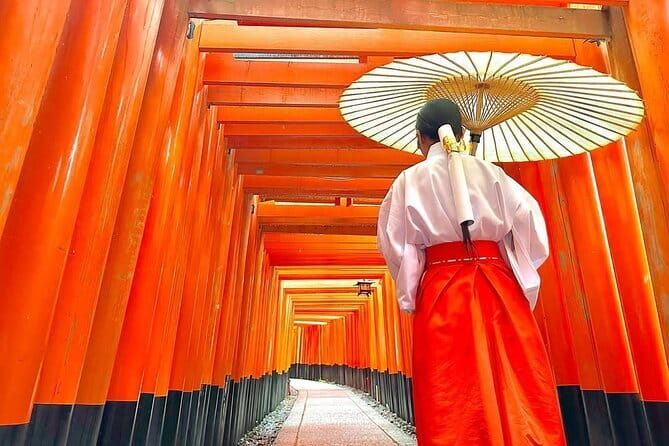
- Fushimi Inari gets the longest visit: Allow 1 hour 20 minutes for its famous rows of vermilion torii gates.
- You explore independently at each stop: Your guide provides instructions and may share information, but the format is largely self-guided once you get off the bus.
- Budget extra for temple entry and lunch: Tōdai-ji costs ¥800 and Byōdo-in costs ¥700. Lunch is not included.
- Group size can reach 45: Guide quality and English communication vary, so arrive ready to listen carefully to meeting-point instructions.
Three destinations, one full day
At $67 per person, this nine-hour tour is built for a specific kind of day: you want to see Nara, Uji and Kyoto’s Fushimi Inari without organizing separate transport between them. An air-conditioned vehicle connects the stops, and a guide handles the broad logistics. That convenience matters when your sightseeing wish list spans several places.
The compromise is time. The listed visits add up to about four hours and 40 minutes, not counting travel between destinations or the time set aside for independent lunch. That leaves a full day, but not a slow one. You’ll be stepping off, finding your bearings, seeing the main attraction and returning to the vehicle on schedule.
The tour is best understood as a sampler, not an in-depth visit to Kyoto or Nara. I like that it lets you compare a temple city, a tea town and a major Shinto shrine in one outing. But if you enjoy browsing every shop, lingering in temple grounds or taking an unhurried meal, the schedule may feel tight.
More Kyoto day trips around Osaka:
- Osaka/Kyoto: Hiroshima Miyajima Bus Tour & Shinkansen Ticket
★ 4.7 · 919 reviews - From Kyoto/Osaka: Kyoto Top Highlights 1-Day Guided Bus Tour
★ 4.5 · 714 reviews - Ancient Capital Tour: Kyoto and Nara Highlights from Kyoto/Osaka
★ 4.5 · 332 reviews
Nara Park: deer, paths and a little caution
The first stop is Nara Park, one of Japan’s oldest parks, with about 660 hectares of open space and temple grounds. You have 50 minutes here. The free-roaming deer are the obvious draw, and it’s easy to see why: they wander among visitors and are known for bowing in hopes of getting a treat.
Give the deer some space, and pay attention if you choose to feed them. One guide, Brian, was specifically praised for explaining how to stay safe around them. The animals are accustomed to people, but they are still animals, not plush toys with antlers. Keep any food secure and follow the guide’s advice.
The short visit means you’ll need to choose how to spend your time. You can focus on the deer and the park’s atmosphere, or walk toward the temple area. Tōdai-ji is a separate scheduled stop, so don’t assume the park visit itself includes enough time to see the temple.
Tōdai-ji: a major temple, with admission extra
Tōdai-ji is a UNESCO-listed Historic Monument of Ancient Nara and one of the country’s most significant temples. The tour gives you 30 minutes at the site, with entry costing ¥800 per person. That is enough for a focused visit to the main attraction, but not a long, leisurely exploration.
Keep the clock in mind as you enter. One complaint about the experience described missing Tōdai-ji after being directed to remain near the main entrance of Nara. Make sure you understand where the group is meeting and how much time you have for the temple before setting off. If a direction is unclear, ask the guide directly rather than guessing.
This stop is one of the strongest reasons to choose the tour, especially if you have not seen Nara before. But a short temple visit rewards a clear plan: head to the main hall, take in the scale, and leave time to return to the agreed meeting point.
Uji Park and the river: a change of pace
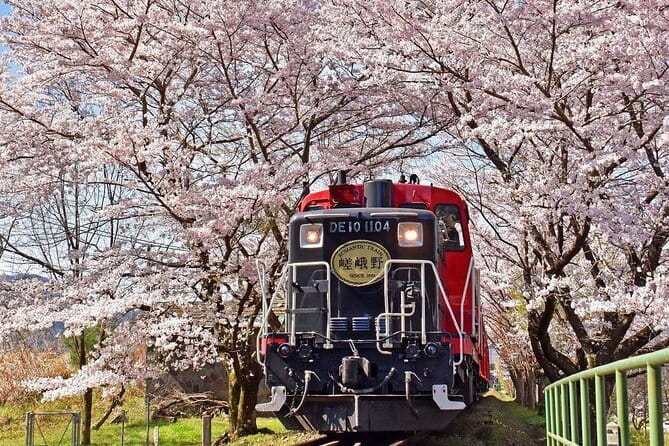
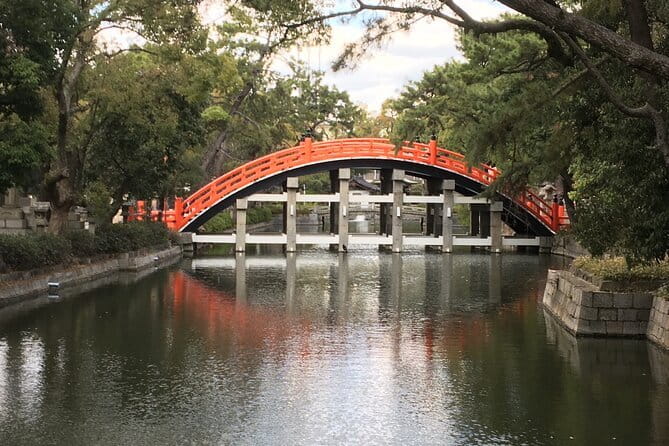
Uji brings a welcome shift from temple crowds and deer encounters. You’ll spend 30 minutes at Uji Park, an island park surrounded by the Uji River and linked to the banks by three bridges. The river has long served as a waterway between Shiga and Osaka, and its setting gives this stop a more open, scenic feel.
The visit is brief, so think of it as a chance to stretch your legs and enjoy the river rather than a long nature walk. A further 20 minutes is scheduled for the Uji River. Taken together, these short stops add a welcome outdoor pause before the temple and tea street.
The timing may feel generous if you mainly want a quick look, or short if you like to stop often for photos. If the river scenery is a priority, keep your eye on the time and ask where to meet before wandering away.
More city tours around Osaka:
- Private Osaka Walking Tour: Highlights & Hidden Gems
★ 5.0 · 569 reviews - Osaka: Five Must-See Highlights Walking Tour & Ramen Lunch
★ 4.7 · 411 reviews - Osaka Highlights: 4-Hour Walking Tour with Castle
★ 5.0 · 152 reviews - 5-Hour Osaka Highlights Bike Tour with Lunch
★ 4.8 · 146 reviews
Byōdo-in and the Phoenix Hall
Byōdo-in is a UNESCO World Heritage Site and the reason many visitors make time for Uji beyond its tea shops. Its Phoenix Hall, built in 1053, is the temple’s signature structure and appears on the reverse of Japan’s 10-yen coin. The grounds offer a distinctive view of a historic building set beside the water.
You have 30 minutes here, and admission costs ¥700 per person. That is a compact visit for a major site. If you want to see the Phoenix Hall, make the temple your first priority after entering rather than leaving it until the final minutes.
The temple is one of the tour’s high points, but its placement alongside several other Uji stops creates a choice. Some people would happily give more time to the temple and less to shopping. If that sounds like you, keep your visit focused and accept that you may only have a quick look at the surrounding grounds.
Byōdo-in Omotesando: Uji’s matcha street
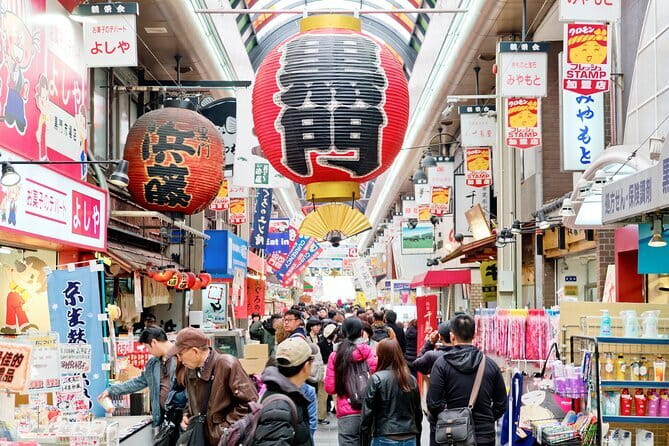
The tour allows 40 minutes on Byōdo-in Omotesando, a street lined with tea shops and products tied to Uji’s green tea trade. This is where the town’s matcha identity becomes hands-on: you can browse, pick up tea and look for a snack, depending on what is open and how quickly you move.
For matcha fans, this may be the most tempting part of Uji. The stop gives you time to browse, but it is still one segment of a packed day, not an afternoon set aside for tea tasting. If shopping is not your thing, use the time to pause and take in the town before the bus moves on.
There is a balance to strike here. A few people would prefer more time at the temple, while others consider the tea street a highlight. I’d decide in advance what matters more to you, then spend the 40 minutes accordingly. The tour gives you a taste of both rather than a deep visit to either.
Fushimi Inari: red gates and a longer walk
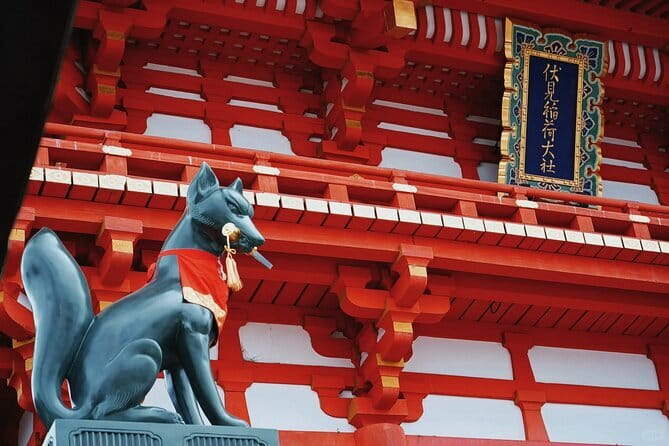
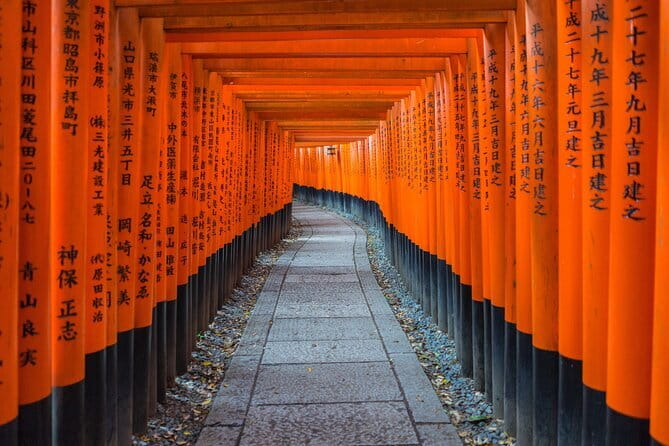
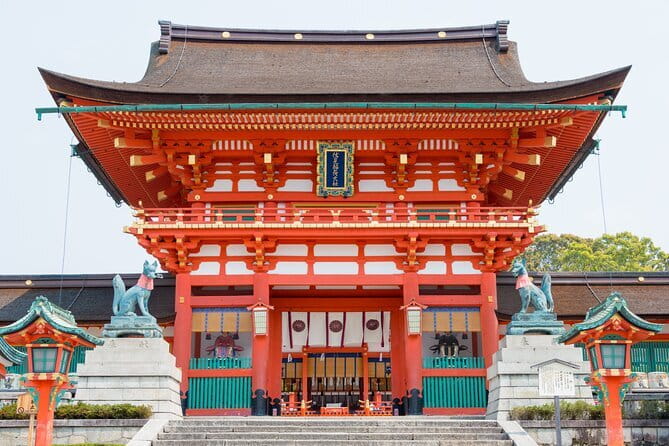
The final scheduled stop is Senbon Torii at Fushimi Inari Taisha, with 1 hour 20 minutes to visit. The shrine is the head shrine of roughly 30,000 Inari shrines in Japan, and the famous vermilion gates make it one of Kyoto’s most recognizable sights. The rows of gates create a striking path through the shrine grounds.
This is the longest single stop, which makes sense: the shrine’s appeal is in walking through the gates, not just taking one photograph at the entrance. Still, 80 minutes is a set window, not an invitation to roam without watching the clock. Check the return point and departure time before you start walking.
The full mountain route is not promised, and you should not plan on seeing every corner of the shrine. Treat this as a chance to experience the best-known gate paths at a brisk but manageable pace. If the shrine is your main reason for booking, you may prefer a separate visit with more time.
The guide and group shape the day
The vehicle holds up to 45 people, so this is not an intimate private tour. A large group can make boarding and regrouping slower, and the experience depends in part on clear instructions. Some guides have been praised for being warm, organized and helpful. Amy, Amanda, Eve, John, Candy and Brian are among the guides named by people who had a strong day.
There is a wide range in how much explanation you may receive. Some guides share detailed cultural context and clear directions; others may offer limited information, and English fluency can vary. The tour can also run in English and Mandarin, so you may hear both languages. If you need a specific instruction repeated, ask before leaving the bus or walking away from the group.
A useful expectation: this is more of a guided transfer with self-guided visits than a continuous lecture-led tour. That format gives you freedom to move at your own speed within each stop, but you need to keep track of meeting times and locations. One family praised their guide for using a WhatsApp group to keep everyone organized; that may be helpful when offered, but don’t assume every guide will use the same system.
Price, transport and practical details
The $67 fare covers air-conditioned transportation and a guide. The two stated temple admissions add ¥1,500 per person, and lunch is extra. You may also want spending money for Uji’s tea shops, but purchases there are optional. The overall price can be good value if you want transport linking these far-apart sights in one day; it is less compelling if you would rather spend a full morning at one temple or travel independently.
Check whether your chosen departure is from Osaka or Kyoto, and read the meeting instructions carefully. One person described arriving in Osaka later than expected because they had not realized the tour left from there. The tour also has some flexibility around starting and ending locations, according to one account, but confirm the exact options when booking rather than assuming you can change plans on the day.
Bring a small bag, comfortable walking shoes and water. Please tell the operator when booking if you have a stroller or large luggage. The bus may not have a bathroom, so prepare for a long day between stops and use facilities whenever you have the chance. The schedule includes independent lunch time, but no meal is provided.
Free cancellation is available up to 24 hours before the start time. Changes or cancellations made later are not accepted for a refund, so check the local start time when making plans.
Should you book this Nara, Uji and Kyoto day trip?
Book it if you have one day, want to see a broad mix of famous sights, and value bus transport over working out the connections yourself. Families and first-time visitors may especially appreciate having the route and meeting points handled, while matcha fans get a proper stop in Uji.
Skip it if you want long temple visits, relaxed shopping or a guide who will explain every site in detail throughout the day. The best way to enjoy this tour is to treat it as a well-packed introduction: arrive ready to move, listen closely to instructions, and choose your priorities before the clock starts.
FAQ
How long is the tour?
It lasts approximately nine hours.
Where can I start the tour?
You can depart from Osaka or Kyoto. Check your selected option and meeting instructions when booking.
What places does the tour visit?
Stops include Nara Park, Tōdai-ji Temple, Uji Park, Byōdo-in Temple, Byōdo-in Omotesando, the Uji River and Fushimi Inari Taisha’s Senbon Torii.
Are temple admission fees included?
No. Tōdai-ji admission costs ¥800 per person, and Byōdo-in admission costs ¥700 per person.
Is lunch included?
No. Lunch is not included, though time is provided for independent dining.
How large can the group be?
The tour can have a maximum of 45 travelers.
Is the tour fully guided at every stop?
The guide leads the group between stops and provides instructions, but visits are largely self-guided. The amount of explanation and English fluency can vary.
Can I cancel for a refund?
You can cancel for a full refund if you do so at least 24 hours before the experience starts. Cancellations made later are not refunded.
More full-day trips around Osaka
- Osaka: Minoh, Katsuoji Temple, & Minoh Falls Full-day Tour
★ 4.9 · 172 reviews - Osaka’s Best and Brightest: Private Full-Day Tour by Vehicle
★ 5.0 · 147 reviews - Full Day Tour of Kyoto with Private Transportation
★ 5.0 · 130 reviews - Full Day Hiroshima and Miyajima Tour by Bullet Train from Osaka
★ 4.5 · 117 reviews
Just added around Osaka
- Mount Koya from Osaka: Cultural Small Group Day Tour★ 5.0 · 3 reviews
- Matcha Tea Bowl Experience in Osaka★ 5.0 · 11 reviews
- Master Washoku: 5 Core Techniques for Authentic Cooking★ 4.7 · 7 reviews
- Manno: Osaka Premium Wagyu BBQ Experience Reservation★ 5.0 · 4 reviews
- Learning Shodo with a kimono and Trying Samurai Calligraphy★ 4.2 · 7 reviews
- Katsu Curry OR Bento Making Cooking Class & Local Shop Tour★ 4.9 · 11 reviews
- Himeji: Private Guide Tour of the Castle from Osaka or Kyoto★ 4.5 · 7 reviews
- Osaka and Nara Customized Private tour with English Driver★ 4.7 · 4 reviews
Kyoto Day Trips from Osaka, compared.
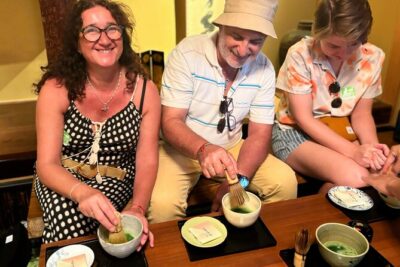
World Heritage Kyoto & Nara Uji Authentic Matcha Experience
Read our review →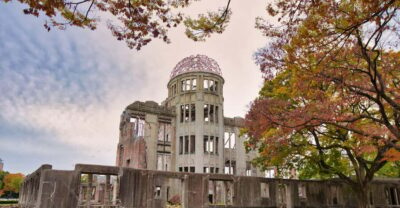
Hiroshima Miyajima Bus Tour & Shinkansen Ticket
Read our review →
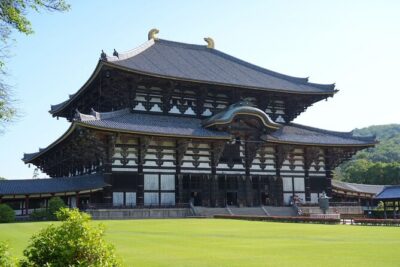
Nara Early Morning Tour (Kyoto or Osaka Departure Available)
Read our review →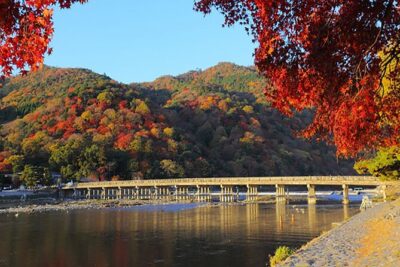
Ancient Capital Tour: Kyoto and Nara Highlights from Kyoto/Osaka
Read our review →
Browse the lists this tour appears in