
Reviewed · KYOTO DAY TRIPS FROM OSAKA
Kyoto Top Four Highlights Day Trip from Osaka or Kyoto
Kyoto’s best-known sights are scattered across the city, so this nine-hour guided day trip turns a complicated sightseeing day into one planned route. I like that you get both the golden shine of Kinkaku-ji and the famous red gates of Fushimi Inari, along with time in Arashiyama. I also like the air-conditioned transport and the guide’s help keeping the day organized.
The trade-off is the full schedule: you visit many places, but do not have hours to linger at any one of them. Admission to Nijo Castle and Kinkaku-ji costs extra, lunch is on your own, and the group can number as many as 45 people.
- Three very different sides of Kyoto: Visit a shogun’s former residence, a gold-covered temple, and a major shrine known for its torii gates.
- A substantial Arashiyama walk: See the Bamboo Forest, Nonomiya Shrine, Kimono Forest, Togetsukyo Bridge and Rilakkuma Tea House.
- A guide and air-conditioned vehicle: Useful for joining far-flung sights into one day, rather than working out every transfer yourself.
- Two admission fees to budget for: Nijo Castle and Ninomaru Palace cost ¥1,300 per person; Kinkaku-ji costs ¥500.
- A packed day with independent lunch: The tour lasts about nine hours, and lunch is not included.
Kyoto’s highlights, linked in one day
This tour is designed for a common Kyoto dilemma: the city has more famous sights than a first-time visitor can comfortably connect in a day. It gathers Nijo Castle, Kinkaku-ji, Arashiyama and Fushimi Inari into one outing, departing from either Osaka or Kyoto. An air-conditioned vehicle and guide spare you the work of arranging the route between these separate areas.
The format favors breadth over depth. You can see several major places in a single day, but you will need to follow the group’s schedule and make choices about what to see at each stop. If you have several days in Kyoto, you may prefer to visit some areas independently and spend longer there. If your time is short, this is a practical way to get an introduction.
The tour’s current rating is 4.8 out of 5 from 18 ratings, with 94% recommending it. The small number of ratings is worth keeping in mind, but the strongest recurring praise is for guides who give clear directions, explain the sights and keep a large group moving on time.
Nijo Castle and the shogun’s Kyoto residence
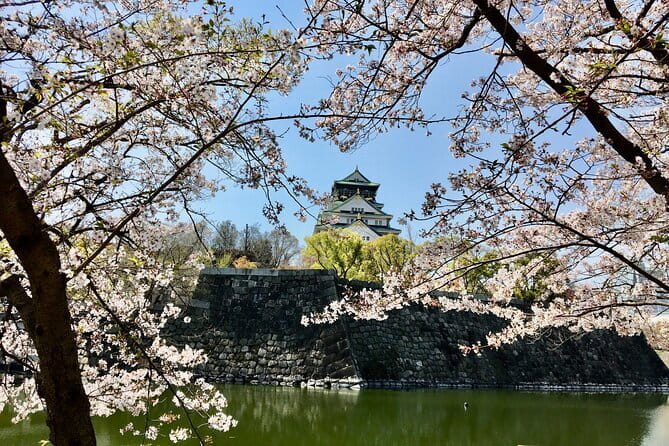
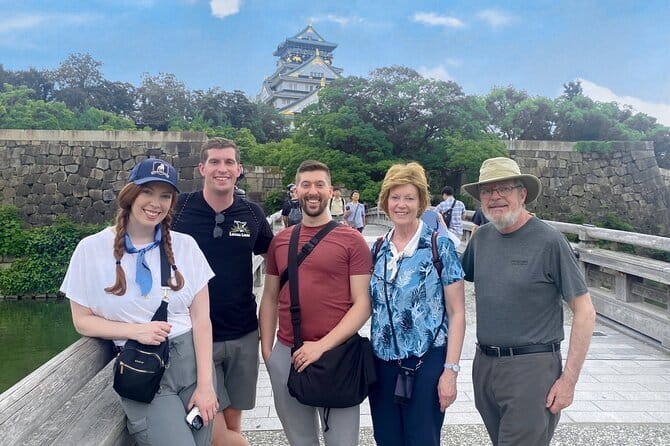
The day begins at Nijo Castle, built in 1603 as the Kyoto residence of Tokugawa Ieyasu, the first shogun of the Edo Period. Its palace buildings are among Japan’s best surviving examples of feudal-era castle palace architecture, and the site is a UNESCO World Heritage site.
You have about an hour here. That gives you time to see the castle grounds and, if you pay the additional fee, enter Ninomaru Palace. Admission to the castle and palace is ¥1,300 per person, so include it when you work out the day’s total cost.
Nijo Castle provides a useful historical counterpoint to the temples and shrines later on. Its story is tied to the military rulers who shaped Japan during the Edo Period, while the rest of the day shows different strands of Kyoto’s religious and cultural life. If palace interiors matter to you, keep an eye on the time so you do not spend your whole visit outdoors.
More Kyoto day trips around Osaka:
- Osaka/Kyoto: Hiroshima Miyajima Bus Tour & Shinkansen Ticket
★ 4.7 · 919 reviews - From Kyoto/Osaka: Kyoto Top Highlights 1-Day Guided Bus Tour
★ 4.5 · 714 reviews - Ancient Capital Tour: Kyoto and Nara Highlights from Kyoto/Osaka
★ 4.5 · 332 reviews
Kinkaku-ji, Kyoto’s Golden Pavilion
Next is Kinkaku-ji, the Zen Buddhist temple widely known as the Golden Pavilion. Its gold-covered exterior is the visual draw, set beside a garden that frames the building and its reflection. The pavilion is a UNESCO World Heritage site, and its bright surface makes a sharp contrast with the darker wood and stone you will see elsewhere in Kyoto.
You have about 40 minutes here, and admission costs ¥500 per person. This is a shorter stop, so think of it as a focused visit rather than a long garden stroll. You can take in the main view, follow the visitor route and make a few photographs, but there is limited time to pause at every angle.
The temple is one of the day’s most instantly recognizable sights. Its popularity also means you should expect to share the setting with other people. A guide can help orient you, but the main pleasure is visual: give yourself a moment to look beyond the first photo and notice how the pavilion sits within its garden.
Arashiyama’s bamboo paths and small shrines
Arashiyama, in western Kyoto, takes up much of the middle portion of the itinerary. The schedule names several nearby sights: the Bamboo Forest, Nonomiya Shrine, Kimono Forest, Togetsukyo Bridge and the Rilakkuma Tea House. Taken together, they offer a mix of natural scenery, religious heritage, local design and lighthearted shopping.
The Bamboo Forest gets about 40 minutes. Tall bamboo stalks rise on either side of the path, making this one of Kyoto’s most recognizable walks. It is a simple place to enjoy the change in atmosphere after the castle and temple visits. The path is a public attraction, so the experience is less about solitude than about seeing the bamboo corridor and moving through it at your own pace.
Nonomiya Shrine has a distinctive black torii gate, unlike the vermilion gates many people associate with Japanese shrines. You have about 20 minutes here. The stop is short, but it adds a different detail to the Arashiyama visit and gives you a chance to see a local shrine rather than treating the district as scenery alone.
The Kimono Forest is a modern art installation made up of 600 clear acrylic cylinders, each about two metres tall, decorated with kimono fabric designs. Plan on roughly 20 minutes. It is a striking contrast to the bamboo and shrine, and its fabric patterns make this a different kind of photo stop.
Togetsukyo Bridge and the Rilakkuma Tea House
Togetsukyo Bridge spans the Katsura River and is Arashiyama’s best-known landmark. The bridge dates back to the Heian Period, though its most recent reconstruction was in the 1930s. The tour allows about 15 minutes here, enough for a look at the bridge and its surroundings, but not a long riverside pause.
The Rilakkuma Tea House has another 15-minute allocation. Rilakkuma means a bear in a relaxed mood, and the café and shop give this stretch of the day a playful turn. It is a brief stop, so treat it as a chance to look around rather than a proper café break. Lunch is separate, with time set aside for independent dining.
Arashiyama’s appeal is its variety, but the schedule asks you to keep moving. If one sight matters especially to you, ask your guide how best to use your time there. Guides such as Amy, Anson and Brian have been praised for clear directions and practical tips; Theodore, also called Teddy in one account, has been noted for sharing information through WhatsApp and helping with seating requests. Guide assignments can vary, so do not book expecting a particular person.
More city tours around Osaka:
- Private Osaka Walking Tour: Highlights & Hidden Gems
★ 5.0 · 569 reviews - Osaka: Five Must-See Highlights Walking Tour & Ramen Lunch
★ 4.7 · 411 reviews - Osaka Highlights: 4-Hour Walking Tour with Castle
★ 5.0 · 152 reviews - 5-Hour Osaka Highlights Bike Tour with Lunch
★ 4.8 · 146 reviews
Fushimi Inari’s Senbon Torii
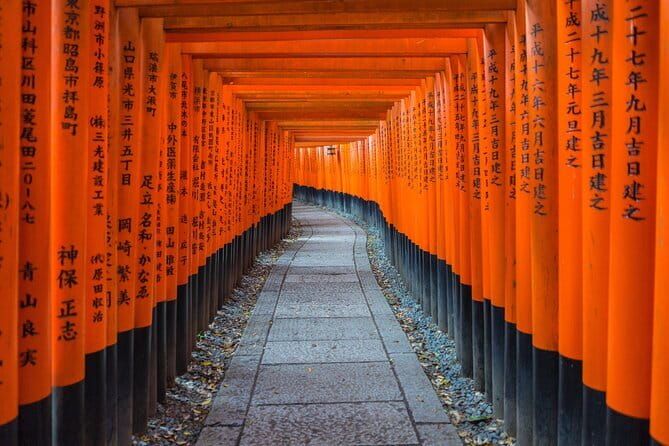
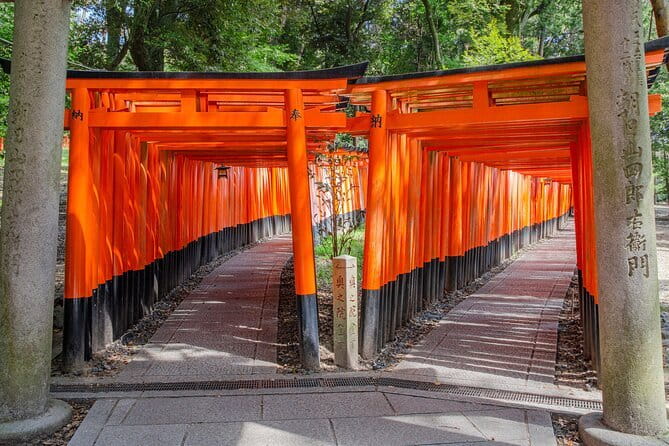
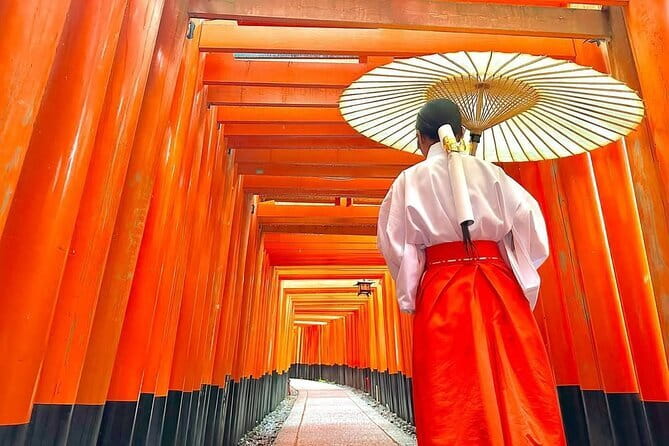
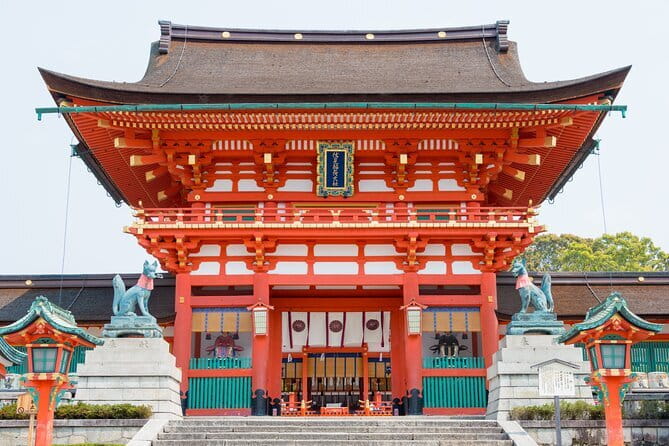
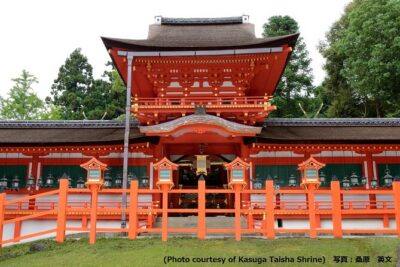
The final listed stop is Fushimi Inari Taisha, the head shrine of Japan’s Inari shrines. Inari is associated with rice, and the shrine is known for Senbon Torii, a succession of vermilion gates along the paths. The tour allows about 70 minutes, the longest single stop of the day.
That time gives you a chance to walk through part of the gate-lined route and take in the shrine’s atmosphere. Do not assume it means you can explore every path: the shrine complex is extensive, and the day has a fixed end. Stay aware of the agreed meeting time, especially if you walk farther from the main approach.
This is an especially good final stop because it leaves you with a memorable image of Kyoto’s religious landscape after the castle, garden and Arashiyama sights. One important practical point: Fushimi Inari is the final stop, so leaving the group early can mean missing it. Keep your return plan and the group’s instructions in mind.
Guides, group size and the pace of the day
The tour lasts about nine hours and includes an air-conditioned vehicle and guide. That transport matters because the stops are spread across Kyoto, while the guide helps connect the places and keep everyone on schedule. Several named guides, including Jackson, Saki, Charlie, Amy, Anson, Brian and Theodore, have been praised for being friendly, organized and informative. These are examples, not a promise about who will lead your departure.
Clear instructions matter in a day with many stops. In particular, pay attention to how long you have at each place and where to meet the group again. One guide has been described as sharing detailed directions through WhatsApp, and another as offering food recommendations at lunchtime. Those touches can be useful, but they may depend on the guide assigned to your tour.
The maximum group size is 45. That is a sizable group, even if the actual number on your day is smaller. One person who had a poor experience found the group too large and had difficulty understanding the guide’s accent; other accounts praise guides for keeping people informed and on pace. If understanding every spoken detail is central to your experience, consider that language and group dynamics can vary.
What the price covers, and what it does not
At $67 per person, the price covers the guided day and air-conditioned transport. The value comes from seeing several widely separated sights without planning each leg yourself. For a short stay, that convenience can be worth more than the lowest possible transport cost, especially if you want context and an organized route.
The advertised price is not the full day’s cost. Nijo Castle and Ninomaru Palace admission is ¥1,300 per person, and Kinkaku-ji admission is ¥500, adding ¥1,800 in listed entrance fees. Lunch is also extra. Set aside money for both admissions and your meal before you go.
You receive a mobile ticket, and confirmation is provided at booking. If you are traveling with relatives or friends who booked separately, inform the operator at least one day ahead so it can try to keep you in the same vehicle. Also mention a stroller or large luggage when booking. The tour is near public transportation, and most people can participate.
Is this the right Kyoto day trip for you?
I would choose this tour if you have limited time, want to see Kyoto’s major sights in one day, and value having a guide and vehicle manage the route. Its best feature is the range: a former shogun’s residence, a golden temple, Arashiyama’s mix of old and new, and Fushimi Inari’s famous gates all fit into one outing.
I would think twice if you prefer long, unhurried visits, want to explore every corner of the Bamboo Forest or Fushimi Inari, or need a very small group. The schedule is busy, admissions and lunch cost extra, and the group can reach 45 people. But if your goal is to cover Kyoto’s headline sights efficiently, the $67 base price offers a useful, well-structured introduction.
FAQ
How long is the Kyoto day trip?
The tour lasts approximately nine hours.
Can I depart from Osaka or Kyoto?
Yes. The tour offers departure from either Osaka or Kyoto.
Which sights are included?
The stops include Nijo Castle, Kinkaku-ji, Arashiyama, the Bamboo Forest, Nonomiya Shrine, Kimono Forest, Togetsukyo Bridge, Rilakkuma Tea House and Fushimi Inari Taisha.
Is transportation included?
Yes. The tour includes an air-conditioned vehicle and a guide.
Are admission tickets included in the price?
No. Nijo Castle and Ninomaru Palace admission costs ¥1,300 per person, and Kinkaku-ji admission costs ¥500 per person.
Is lunch included?
No. Lunch is not included, though time is provided for independent dining.
How large can the group be?
The maximum group size is 45 people.
Do I receive a mobile ticket?
Yes. The tour offers a mobile ticket, and confirmation is provided at the time of booking.
Can I cancel for a refund?
You can cancel at least 24 hours before the experience’s start time for a full refund. Cancellations or changes made less than 24 hours before the start time are not accepted for a refund or change.
More day trips around Osaka
- Kyoto and Nara Day Trip from Osaka
★ 4.0 · 175 reviews - From Osaka or Kyoto: Kyoto and Nara 1-Day Bus Tour
★ 3.5 · 141 reviews - Hiroshima & Miyajima 1 Day Bus Tour with Bullet Train Tickets
★ 4.5 · 105 reviews - From Osaka: Hiroshima and Miyajima Day Trip by Bullet Train
★ 4.6 · 83 reviews
Just added around Osaka
- Mount Koya from Osaka: Cultural Small Group Day Tour★ 5.0 · 3 reviews
- Matcha Tea Bowl Experience in Osaka★ 5.0 · 11 reviews
- Master Washoku: 5 Core Techniques for Authentic Cooking★ 4.7 · 7 reviews
- Manno: Osaka Premium Wagyu BBQ Experience Reservation★ 5.0 · 4 reviews
- Learning Shodo with a kimono and Trying Samurai Calligraphy★ 4.2 · 7 reviews
- Katsu Curry OR Bento Making Cooking Class & Local Shop Tour★ 4.9 · 11 reviews
- Himeji: Private Guide Tour of the Castle from Osaka or Kyoto★ 4.5 · 7 reviews
- Osaka and Nara Customized Private tour with English Driver★ 4.7 · 4 reviews
Kyoto Day Trips from Osaka, compared.
World Heritage Kyoto & Nara Uji Authentic Matcha Experience
Read our review →
Hiroshima Miyajima Bus Tour & Shinkansen Ticket
Read our review →
Nara Early Morning Tour (Kyoto or Osaka Departure Available)
Read our review →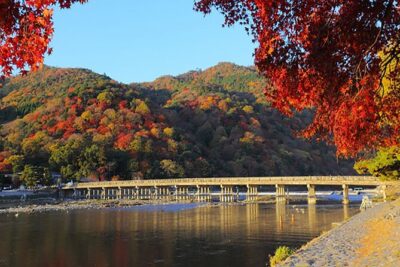
Ancient Capital Tour: Kyoto and Nara Highlights from Kyoto/Osaka
Read our review →
Browse the lists this tour appears in