

Reviewed · OSAKA COOKING CLASSES
Osaka Sushi Making Experience
Making sushi is a satisfying way to do more than order dinner in Osaka: in about 90 minutes, you’ll prepare 12 pieces of your own, including nigiri and gunkan, then sit down to eat them. The class takes place in Dōtonbori, a handy central base for an Osaka outing.
I like two things in particular: the instructors offer clear, hands-on guidance, and you leave with practical tips for making sushi at home. Vegetarian, vegan, and halal menus can be arranged on request. One consideration: the class has a lively, visitor-friendly feel, which may be less appealing if you’re after a quiet, traditional cooking lesson.
- Make 12 pieces: Practice nigiri and gunkan, then eat the sushi you prepare.
- Learn in central Osaka: The meeting point is in Dōtonbori, near public transportation.
- Get step-by-step instruction: Guidance is offered in English, Chinese, and Korean.
- Ask about dietary menus: Vegetarian, vegan, and halal options are available on request.
- Plan for a compact class: The session lasts about 90 minutes and is limited to 16 people.
- Budget around $30: The listed price is $29.85 per person, with fees and taxes included.
A hands-on break in Dōtonbori
This class is built around doing, not watching. You’ll learn the basics of shaping sushi and make 12 pieces yourself, with the instructor’s help as you go. The focus is on nigiri and gunkan, two styles that show how sushi can take different forms even when the ingredients overlap.
That practical approach is useful if you’ve eaten plenty of sushi but never tried to make it. Instead of leaving with only a meal, you get a look at how rice, toppings, and shaping come together. The class also covers ingredients you’ll need to make sushi at home, a helpful starting point if you want to try again after your trip.
The experience is presented in a friendly, social way. Instructors explain the steps and offer individual tips, so you’re not left guessing how much rice to use or how to shape a piece. One person described learning to use 10 grams of rice for a piece, a precise little detail that gives you something concrete to remember. Your results don’t have to look like a chef’s work to taste good.
What happens during the 90-minute class
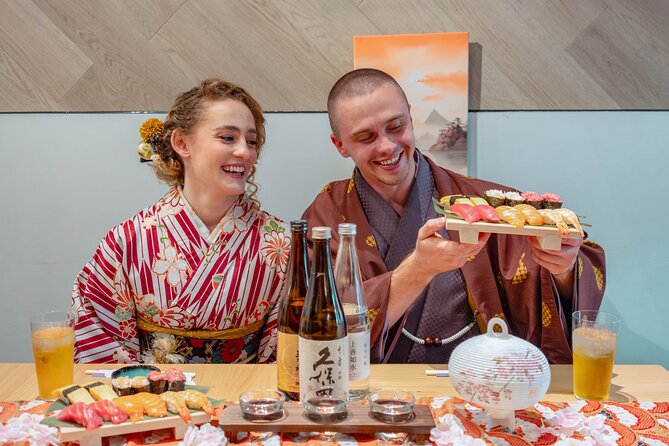
Expect a short, focused session rather than a full cooking course. The core activity is preparing 12 pieces of sushi, with instruction on nigiri and gunkan. You’ll work through the shaping process, receive guidance from the instructors, and eat the finished sushi at the end.
The class is described as a beginner-friendly experience, and the emphasis on clear demonstrations makes it a reasonable choice even if you have no sushi-making practice. Past instructors have included Mika, Kosei, Yui, Mako, Shiori, Toshiki, and Hana. The team may vary on your date, but the class is offered in English, Chinese, and Korean.
You may also get a little cultural context along the way. The class is not billed as a long culinary history lesson, but instructors have discussed sushi styles, their differences, and where they came from. For many people, that extra context turns a simple cooking activity into a better introduction to Japanese food.
At the end, you eat what you’ve made. That’s part of the appeal: the result is immediate, and there’s no need to plan a separate meal afterward. The included food is 12 pieces of sushi. The experience details also mention sake and beer, but alcoholic beverages are listed as not included, so check with the operator if having a drink matters to you.
More cooking classes around Osaka:
- Sushi Making Osaka Roll and Authentic Japanese Sushi Class
★ 5.0 · 1,220 reviews - Osaka: Ramen and Gyoza Cooking Class in Dotonbori
★ 5.0 · 378 reviews - Osaka Sushi Making Class – Hands-On Nigiri & Rolls (Same-Day OK)
★ 5.0 · 352 reviews
The sushi you make, and what you’ll take home
Nigiri and gunkan give you two different ways to practice. Nigiri is shaped around rice with a topping, while gunkan uses a hand-formed rice base with a raised edge. The class focuses on making these styles by hand, with guidance on shaping and portioning.
The skills are basic rather than professional training, but that’s exactly the right scale for a short class. You can leave with a better sense of the ingredients and the steps involved, then decide whether homemade sushi is something you want to pursue. The lesson is about building confidence, not earning a chef’s credentials in an afternoon.
Some participants have also received a certificate, a photo, or a small personalized item. These extras are not listed as guaranteed inclusions, so treat them as a possible bonus rather than part of what you’re paying for. The core value is the instruction and the meal you make.
A lively class, not a formal culinary school
The atmosphere sounds relaxed and energetic, with young instructors leading the session and helping participants as they work. That can be a real advantage if you like a sociable class and want to ask questions without feeling you’re slowing things down. The instructors’ warmth and patience are among the experience’s strongest points.
The same tone won’t suit everyone. If you prefer a hushed, highly formal lesson focused on technique and precision, this may feel more like a fun food activity than a serious master class. One person found the presentation overly commercial and felt the pace was rushed. That’s a fair caution: the short duration means the class needs to keep moving.
Group size is capped at 16, which gives the session a defined limit but doesn’t promise a private lesson. If you happen to be the only participants, you may get more individual attention. If the class is full, expect to share the instructor’s time with others.
Dietary requests need a little planning
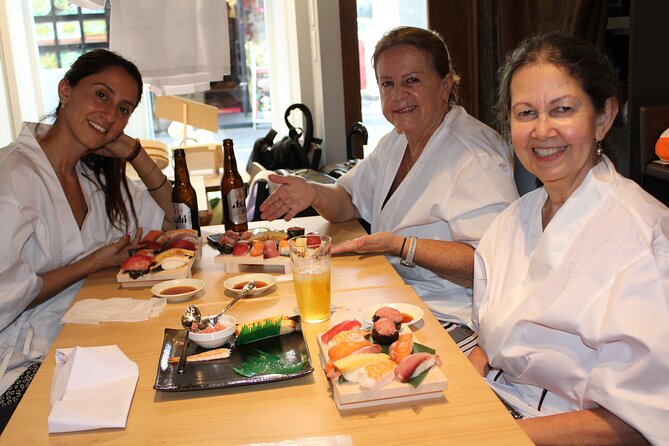
Vegetarian, vegan, and halal menus are available on request. If you have dietary needs, make that request ahead of time rather than assuming the standard menu will suit you. The class is an activity as well as a meal, so it’s worth confirming what ingredients will be used before booking.
There is one practical caveat for vegan diners. A participant felt the vegan selection, which used a few vegetables, was less substantial than the seafood options given to other participants. That doesn’t mean the menu won’t work for you, but it’s sensible to ask what the vegan set includes and whether it will be enough for your appetite.
The same advice applies to halal requirements. The option is offered, but the supplied details don’t explain specific ingredients or preparation procedures. Contact the provider directly if you need to confirm those details.
More trips and experiences around Osaka:
- Osaka Go Karting Tour with Funny Costume
★ 5.0 · 2,658 reviews - Osaka Castle: Museum and Tower Entry Ticket
★ 4.5 · 2,380 reviews - Osaka: Shinsekai Food Tour with 13-15 Dishes at 5 Eateries
★ 4.8 · 2,204 reviews - Osaka Food Tour: 13 Dishes at 5 Local Eateries
★ 5.0 · 2,149 reviews
Finding the meeting point near Namba

The class starts and ends at Sushi Making Experience Namba1A, at 2-chōme-6-11 Nishishinsaibashi, Chūō Ward, Osaka, postal code 542-0086. It’s in the Dōtonbori area and near public transportation, making it easy to fit into a day of exploring central Osaka.
Even with a central address, allow time to find the exact entrance. One person had trouble locating it, so don’t leave your arrival to the last minute. Check the address on your map before setting out and keep the provider’s name handy. The activity ends back at the meeting point, so you won’t need to arrange a separate return trip.
The session lasts about an hour and a half. Afternoon and evening options make it easier to place between sightseeing and dinner, or to use as an early evening activity. Since you’ll eat the sushi you make, consider how hungry you’ll be when choosing a time.
Is $29.85 a good value?
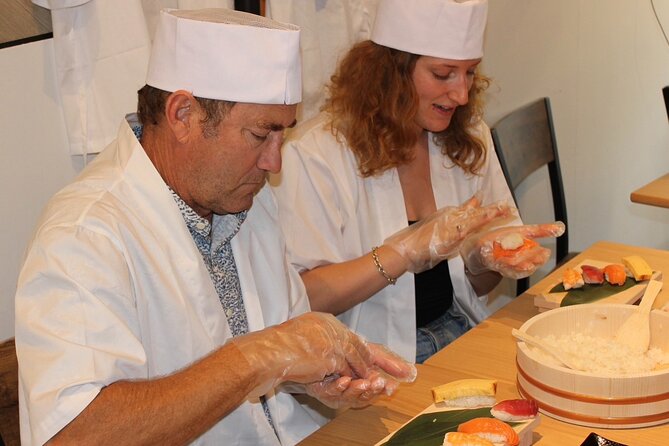
At $29.85 per person, the price buys more than 12 pieces of sushi. It includes instruction, a hands-on activity, and a meal you prepare yourself, with fees and taxes included. In central Osaka, that combination makes the class a reasonable-value choice if you’re interested in food and want an activity beyond restaurant dining.
The price is most worthwhile if you’ll enjoy learning a few usable techniques. If your only aim is to eat sushi, a restaurant is the simpler option. But if you like cooking, want an activity to share with a partner or family, or hope to recreate the basics at home, the lesson adds a skill to the meal.
The class has a perfect 5-star rating from 400 reviews and is recommended by all reviewers in the supplied rating summary. That’s a strong signal of broad satisfaction, but it doesn’t erase the differences in taste: the class is lively and tourist-friendly, not a quiet, specialized training session.
Who will enjoy this class most
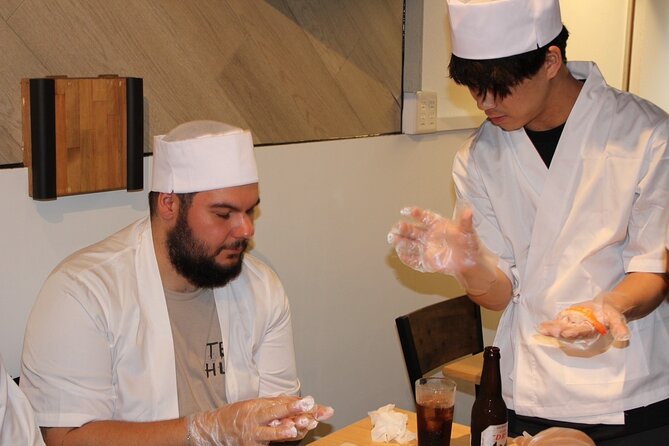
This is a good fit for couples, families, solo visitors, and anyone who wants a short, participatory food experience. Families may particularly like that children have enjoyed taking part, though the supplied details do not specify a minimum age. You can also go alone; the class is designed for a group, but solo participation is allowed by the experience format.
It makes sense for first-time sushi makers and people who already enjoy sushi but want to understand how it is shaped. The teaching is practical and accessible, and the language options help make the steps clear. You don’t need to be an expert to get something out of it.
It is less suitable if you want a long, advanced course or a deeply traditional setting. The class is compact, social, and designed to be entertaining. Go for the chance to make and eat your own sushi, and treat any certificate or photo as a pleasant extra.
Should you book it?
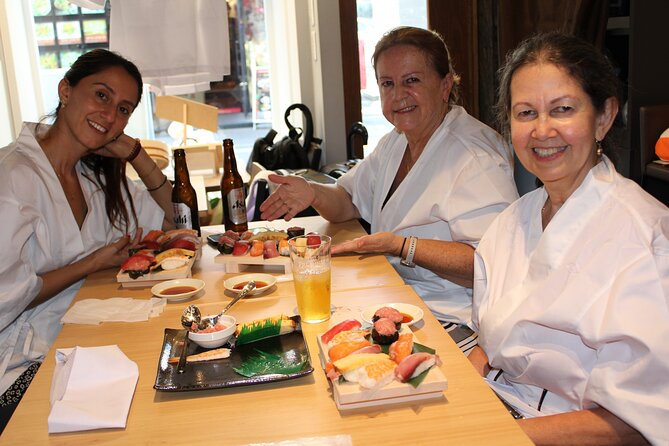
Book this class if you want a convenient, hands-on activity in Dōtonbori and like the idea of turning a meal into a lesson. The combination of clear instruction, 12 pieces to make, and a practical introduction to nigiri and gunkan makes the short format feel worthwhile.
Before you reserve, check that your preferred dietary menu is available and confirm any questions about alcoholic drinks. Allow a little extra time to find the meeting point, and choose a session that leaves you hungry enough to enjoy what you make. If you’re looking for advanced technique or a quiet culinary workshop, this may not be your match. For an upbeat introduction to sushi-making, it’s an easy class to recommend.
FAQ
How long does the sushi-making class last?
The class lasts approximately 1 hour and 30 minutes.
Where does the class meet?
It starts at Sushi Making Experience Namba1A, 2-chōme-6-11 Nishishinsaibashi, Chūō Ward, Osaka, postal code 542-0086. It ends back at the same meeting point.
How many pieces of sushi will I make?
You’ll make 12 pieces, including nigiri and gunkan sushi.
What languages are used for instruction?
Guidance is available in English, Chinese, and Korean.
Are vegetarian, vegan, or halal options available?
Yes. Vegetarian, vegan, and halal menus are available on request.
How many people can join the class?
The maximum group size is 16 people.
Can I cancel for a refund?
You can cancel for a full refund if you do so at least 24 hours before the experience starts. Cancellations made less than 24 hours beforehand are not refundable.
Just added around Osaka
- Mount Koya from Osaka: Cultural Small Group Day Tour★ 5.0 · 3 reviews
- Matcha Tea Bowl Experience in Osaka★ 5.0 · 11 reviews
- Master Washoku: 5 Core Techniques for Authentic Cooking★ 4.7 · 7 reviews
- Manno: Osaka Premium Wagyu BBQ Experience Reservation★ 5.0 · 4 reviews
- Learning Shodo with a kimono and Trying Samurai Calligraphy★ 4.2 · 7 reviews
- Katsu Curry OR Bento Making Cooking Class & Local Shop Tour★ 4.9 · 11 reviews
- Himeji: Private Guide Tour of the Castle from Osaka or Kyoto★ 4.5 · 7 reviews
- Osaka and Nara Customized Private tour with English Driver★ 4.7 · 4 reviews
Osaka Cooking Classes, compared.
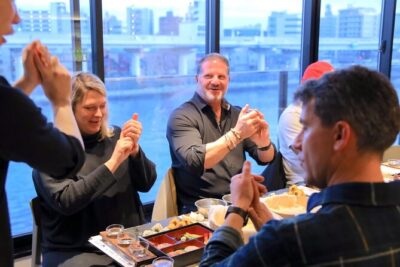
Sushi Making Osaka Roll and Authentic Japanese Sushi Class
Read our review →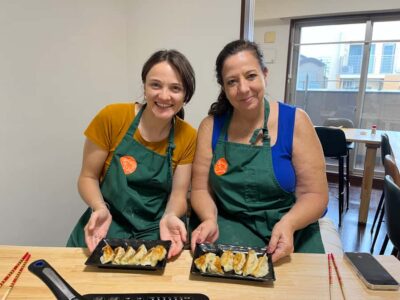
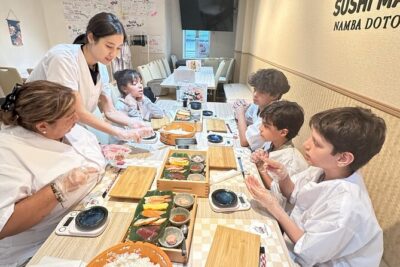
Osaka Sushi Making Class – Hands-On Nigiri & Rolls (Same-Day OK)
Read our review →
Osaka Cooking Class: Okonomiyaki &Japanese cuisines experience
Read our review →
Roll and Authentic Sushi Making Class in Dotonbori
Read our review →
Cooking Ramen&Gyoza/KatsuCurry/Bento/Okonomiyaki+Store Tour@Osaka
Read our review →Browse the lists this tour appears in