

Reviewed · OSAKA CASTLE TOURS
Ramen-Making Experience in the Osaka Castle Area with Souvenir
Ramen here begins with flour, not a packet. In this two-hour class near Osaka Castle, you make your own noodles, prepare chicken chashu, and choose a soup base: tonkotsu, shoyu, or miso. English-speaking instructors guide the process, and the group is capped at eight.
I like two things in particular: you get your hands into the steps that give ramen its character, and the class adds a little Japanese cultural context through the studio’s objects and unusual old glass entrance door. It is a meal and a practical lesson, not just a cooking demonstration.
One consideration: $85.39 per person is a meaningful spend for a two-hour activity, especially if you are watching your budget. You are paying for instruction, ingredients, a meal, and a souvenir, so it makes most sense if you value the hands-on experience as much as the bowl.
- Make your own noodles with Japanese wheat flour made for ramen, then taste their fresh, chewy texture.
- Choose a soup style from tonkotsu, shoyu, or miso, with each option based on recipes from well-known ramen shops.
- Prepare chicken chashu simmered in the studio’s original broth.
- Learn in a small group of no more than eight, with English-speaking instructors available to answer questions.
- Explore a characterful studio decorated with ramen and Japanese motifs, including a glass entrance door made with a technique no longer in use.
- Take home a souvenir at the end of the class.
Turning flour into fresh ramen noodles

The core of the class is making ramen from scratch, starting with Japanese wheat flour specially made for noodles. Rather than only watching an instructor work, you take part in creating your own noodles. That hands-on element is the point: ramen can look simple in a bowl, but its texture is a big part of what makes it satisfying.
Freshly made noodles are described as chewy, and you get to see how they differ from dried or packaged noodles. The class is designed for all skill levels, so you do not need to arrive with cooking experience. If you have questions, the English-speaking instructors can answer them as you work.
I would go in ready to follow directions and enjoy the process, not expecting a technical cooking course that covers every variation of ramen. Two hours is enough for a focused introduction and a meal, but not a full culinary training program. The small group size helps keep the instruction personal: with a maximum of eight people, you are less likely to feel lost in a crowd.
Choosing between tonkotsu, shoyu, and miso
You choose one soup base from three familiar ramen styles: tonkotsu, shoyu, or miso. Each is based on a secret recipe from a well-known ramen shop. The choice gives you a chance to begin with the flavor profile you already like, or to try a style you have been curious about.
The descriptions do not spell out each soup’s ingredients or exact flavor, so I would not assume the class includes a detailed tasting comparison. What you can count on is selecting one of the three and learning to make it as part of your own bowl. If you are unsure which to pick, ask the instructor. They can respond to questions in real time.
That choice adds useful context to a meal you may otherwise order without much thought. You get to connect the soup to the noodles and toppings you have made, and leave with a better sense of how the parts fit together. It is a small lesson, but a practical one for anyone who plans to eat ramen around Japan.
More Osaka Castle tours around Osaka:
- Osaka Castle: Museum and Tower Entry Ticket
★ 4.5 · 2,380 reviews - Osaka Castle Walking Tour and Castle Tower Admission
★ 5.0 · 561 reviews - 5-Hour Osaka Bike Tour to the Neighborhood of Osaka Castle
★ 5.0 · 319 reviews
Making chicken chashu with the studio broth
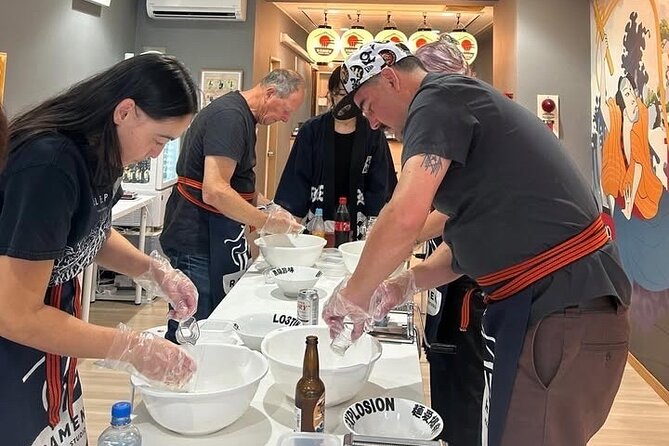
The chashu portion focuses on tender, juicy chicken simmered in the studio’s original broth. Ramen menus often use the word chashu for a meat topping, and this class gives you a chance to prepare its chicken version yourself.
This is a useful detail to know before booking: the described topping is chicken, not pork. If you have dietary restrictions or questions about ingredients, contact the provider before the class rather than relying on assumptions. The information available does not specify other substitutions or dietary accommodations.
The process adds another layer to the meal beyond noodles and soup. You are not simply assembling toppings at the end; you get to take part in preparing one of them. The result, according to the class description, is meant to be tender and flavorful, with the broth doing much of the work.
A small class with English-speaking instruction
The instructors speak English and guide you through the cooking steps. That matters in a hands-on class, where a quick explanation can make the difference between following along and guessing. The instruction is meant to be interactive, so you can ask questions as you go instead of saving them for the end.
The class is open to beginners and families, and the small group limit of eight keeps the setting from feeling like a large demonstration. Past participants have especially valued the friendly staff, clear guidance, and professional approach. Several also emphasized how much they enjoyed the welcoming atmosphere. Those details suggest this is a good fit if you want support without being treated as though you need expert skills.
The kitchen has also been described as spotlessly clean. That is reassuring for a food activity, though it is worth remembering that the class is still a group cooking session: you will be sharing the space and taking turns through parts of the process.
The studio’s old door and Japanese details
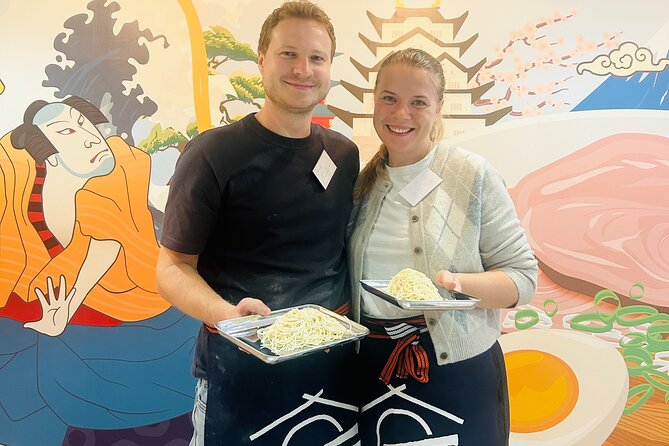
The venue is within walking distance of Osaka Castle, and its interior is part of the experience. The walls feature ramen and Japanese motifs, making the studio a lively backdrop for photos. There are also objects that reflect Japanese culture, which the staff introduce during the visit.
One detail to look for is the glass entrance door, made more than 100 years ago with a technique that is no longer used. It is an unexpected point of interest before you even start cooking. I like this sort of setting because it gives the class a sense of place without requiring a separate museum visit or a long lecture.
Staff may take photos or videos during the experience and could use them on social media or for advertising. If you do not want your image used, tell the staff before the class begins. That is a simple but important detail if you prefer to keep your cooking photos private.
More food tours around Osaka:
- Osaka: Shinsekai Food Tour with 13-15 Dishes at 5 Eateries
★ 4.8 · 2,204 reviews - Osaka Food Tour: 13 Dishes at 5 Local Eateries
★ 5.0 · 2,149 reviews - Hungry Osaka Street Food Tour:15 Tastings & 3 Drinks with a Local
★ 5.0 · 1,727 reviews - Osaka Local Foodie Walking Tour in Dotonbori and Shinsekai
★ 5.0 · 985 reviews
Getting to the class near Osaka Castle
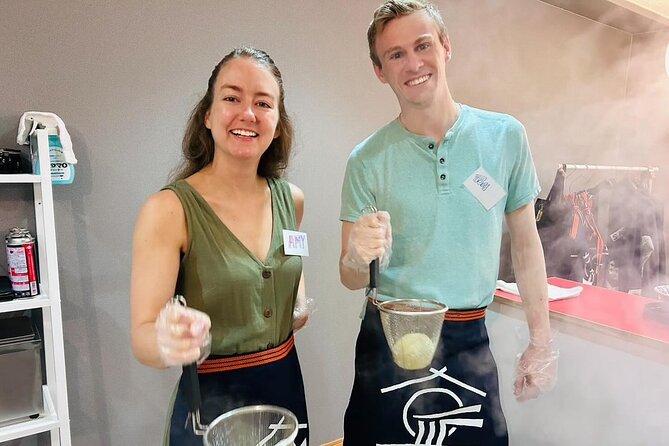
The studio is at 1-chōme-4 Higashitenma, Kita Ward, Osaka. It is about a 20-minute walk from Osaka Castle, so you could pair the class with a castle visit if your schedule allows. The walk is not immediate, however, and it is worth leaving enough time to arrive without rushing.
Three stations are listed within a short walk: Tenmabashi Station, Exit 13, about 10 minutes away; Minamimorimachi Station, Exit 6, about 10 minutes away; and Tenmangu Station, Exit 7, about five minutes away. Umeda Sky Building and Namba are around 20 to 30 minutes away by train, making the class manageable from other parts of central Osaka.
Morning and late afternoon classes are available, which gives you some flexibility to fit the activity around sightseeing. The experience lasts about two hours and ends back at the meeting point. Check the exact session time when booking, then plan your transport around the station exit listed for your route.
Is $85.39 good value for a two-hour class?
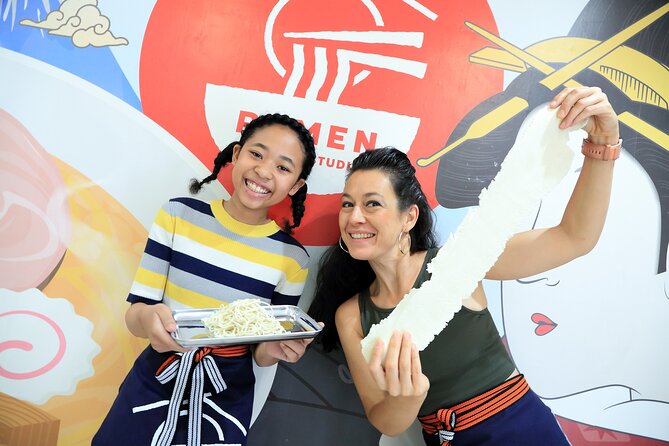
At $85.39 per person, this costs more than a casual bowl of ramen. The value comes from doing several things in one visit: making noodles, preparing chicken chashu, choosing and making a soup, receiving instruction in English, and enjoying the food you have helped prepare. A souvenir is included as well.
I would consider it worthwhile if you want an activity rather than simply a meal, especially if cooking is something you enjoy or you are traveling with family. The class also gives you a small-group setting and cultural details about the venue. If you mainly want to eat ramen at the lowest cost, a restaurant will be far cheaper.
There is not enough information to compare the souvenir or ingredient costs with other cooking classes, so judge the price by how much you value the time and participation. The strongest case is that you leave with a new skill and a more personal connection to a dish you are likely to encounter throughout Japan.
Who should book this ramen class?
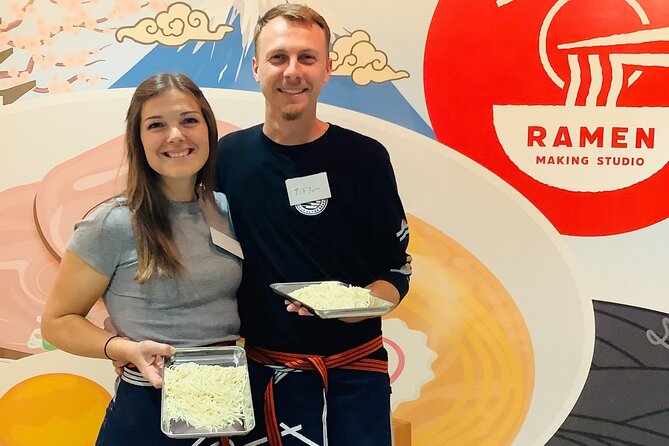
This experience suits curious eaters, families, and first-time cooks who want to learn by doing. It is also a good choice for a rainy-day or half-day activity if you want a break from temples, shops, and city walks. The English-speaking instruction and beginner-friendly format make it accessible even if you have never made noodles before.
It may be less appealing if you are in Osaka for a very short visit and want to spend your time only on major sights, or if the price feels high for a two-hour activity. Keep the location in mind, too: it is near Osaka Castle, but not inside the castle grounds. You will need to make your way to the studio.
The 100 percent recommendation rate and perfect five-star score across 22 ratings are encouraging, though a small number of ratings cannot tell you everything. The most consistent strengths are clear instruction, friendly staff, hands-on cooking, a tasty finished bowl, and a clean kitchen. Those are precisely the things that matter most for this kind of class.
Should you book it?
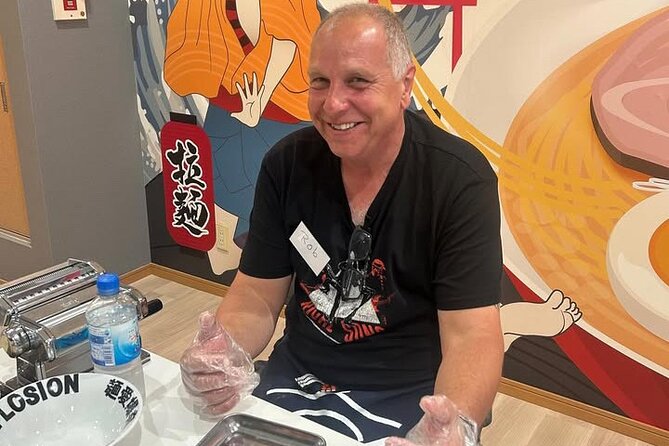
Book this if you want to make the meal as well as eat it. The class offers a neat mix of fresh noodles, chicken chashu, a soup choice, English-language guidance, and a studio with a few distinctive Japanese details. The small group and beginner-friendly approach make it a sensible pick for families and curious cooks.
Skip it if you are only seeking an inexpensive lunch or would rather spend those two hours sightseeing. If you do book, choose your soup style in advance if you already have a favorite, allow time for the walk from Osaka Castle or nearby stations, and tell the staff before the class if you do not want photos or videos used for promotion.
FAQ
How long does the ramen-making class last?
The class lasts approximately two hours.
How much does the experience cost?
The listed price is $85.39 per person.
Where does the class meet?
It meets at 1-chōme-4 Higashitenma, Kita Ward, Osaka, postal code 530-0044. The activity ends back at the meeting point.
How close is the studio to Osaka Castle?
The studio is about a 20-minute walk from Osaka Castle.
Which soup bases can I choose?
You can choose tonkotsu, shoyu, or miso.
Do I make the noodles myself?
Yes. You use Japanese wheat flour made for ramen to create your own noodles.
What kind of chashu do we prepare?
The class includes chicken chashu simmered in the studio’s original broth.
Is the class suitable for beginners and families?
Yes. It is described as family-friendly and open to all skill levels.
How many people can join?
The maximum group size is eight people.
When are classes available, and can I cancel?
Morning and late afternoon classes are available. You can cancel for a full refund up to 24 hours before the experience starts.
Just added around Osaka
- Mount Koya from Osaka: Cultural Small Group Day Tour★ 5.0 · 3 reviews
- Matcha Tea Bowl Experience in Osaka★ 5.0 · 11 reviews
- Master Washoku: 5 Core Techniques for Authentic Cooking★ 4.7 · 7 reviews
- Manno: Osaka Premium Wagyu BBQ Experience Reservation★ 5.0 · 4 reviews
- Learning Shodo with a kimono and Trying Samurai Calligraphy★ 4.2 · 7 reviews
- Katsu Curry OR Bento Making Cooking Class & Local Shop Tour★ 4.9 · 11 reviews
- Himeji: Private Guide Tour of the Castle from Osaka or Kyoto★ 4.5 · 7 reviews
- Osaka and Nara Customized Private tour with English Driver★ 4.7 · 4 reviews
Osaka Castle Tours, compared.
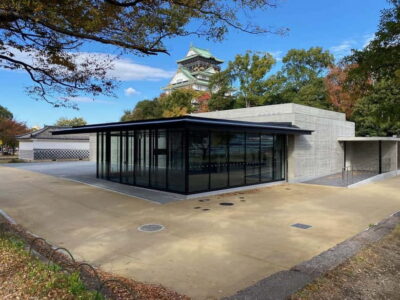

Osaka Castle Walking Tour and Castle Tower Admission
Read our review →
5-Hour Osaka Bike Tour to the Neighborhood of Osaka Castle
Read our review →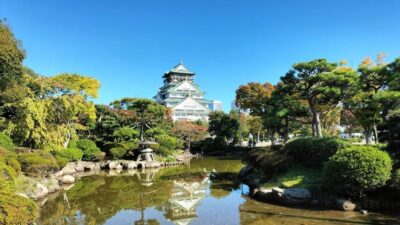

PRIVATE 6hr, Food tour from Osaka Castle, Kuromon, Dotonbori.
Read our review →
A Tour to Explore the Symbol of Osaka: Osaka Castle
Read our review →
Learning Zen of Japanese Calligraphy in kimono near Osaka Castle
Read our review →Browse the lists this tour appears in