
Reviewed · DOTONBORI TOURS
Sushi Class in Osaka Dotonbori
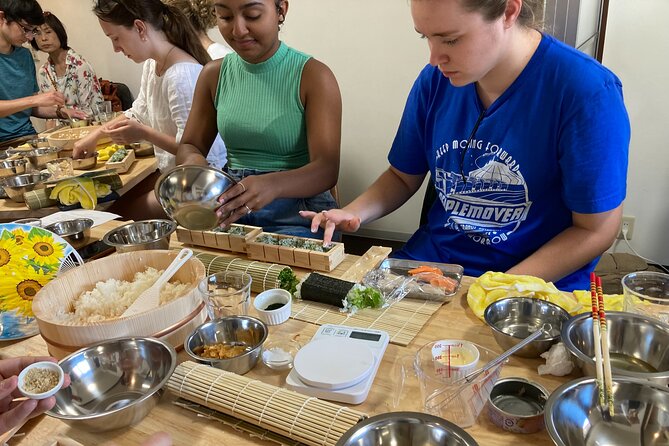
Osaka’s sushi tradition is hands-on here: you’ll shape nigiri, roll a salad maki, and press oshizushi, the square box sushi associated with the Kansai region. Then you sit down to eat your work with miso soup. It’s a cooking class with a proper meal at the end, not a demonstration where you watch from the sidelines.
I like the small group, capped at eight, and the chance to learn three different methods in one session. I also like that the instructors prepare the ingredients and provide an apron, so you can focus on the techniques rather than setting up a kitchen. One consideration: the classroom is in Room 807 of a residential building, and it can be easy to mistake the building across the street for the right one.
What to know before you book
- Three styles, three techniques: Make a salad roll, nigiri and Kansai-style pressed sushi.
- A meal is part of the class: Eat the sushi you make with miso soup at the end.
- A small class: The maximum group size is eight, which allows room for questions and individual help.
- Dietary requests need advance notice: Vegetarian options, with or without egg, and gluten-free options are available if requested when booking.
- Plan for three hours: The class starts at 9:30 am and finishes back at the meeting point.
- Find the right entrance: Look for Masters Residence Dotonbori I, then press 807 and the call button marked 呼出.
Three kinds of sushi, not just one
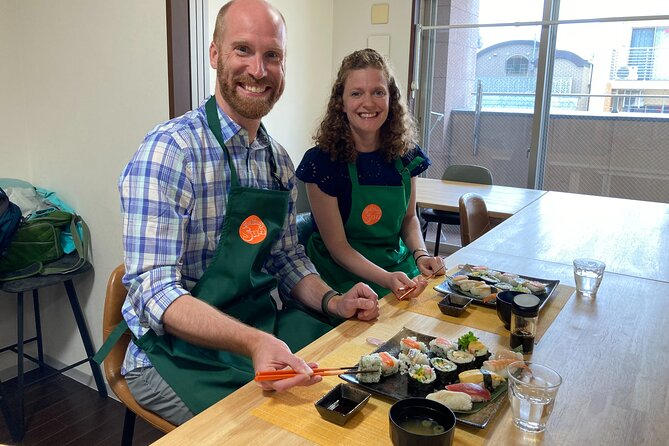
This class gives you a useful range of sushi techniques in one morning. You’ll make a salad roll, nigiri and oshizushi, or pressed sushi. The differences are more than cosmetic: each asks you to handle rice and fillings in a different way, and the pressed version connects the lesson to a style long associated with Osaka and the Kansai region.
The salad roll is likely to feel familiar if you’ve seen maki before, but its fillings make it a good exercise in balance. The listed ingredients include crab-flavored kamaboko, lettuce, cucumber, avocado, tuna mixed with mayonnaise and tamagoyaki, or Japanese rolled omelet. The ingredients are prepared for you, while the instructor guides you through assembling and rolling them in nori.
Nigiri is a different sort of challenge. Here, the topping sits on a small portion of vinegared rice. It’s a classic Japanese form, and the lesson gives you a chance to practise shaping rice to a manageable size and placing the topping on it. The listed examples include fish, shellfish and omelet. The exact toppings you use may depend on the class and any dietary request you make.
The third method, oshizushi, is the regional lesson. You fill a square wooden frame with rice and toppings, then press the layers together by hand. Once set, the sushi comes out in a block and is cut into pieces before eating. In Osaka, this style is also known as box sushi, and learning it adds a local note you won’t get from a class focused only on rolled sushi.
More Dotonbori and Namba tours around Osaka:
- Osaka Local Foodie Walking Tour in Dotonbori and Shinsekai
★ 5.0 · 985 reviews - Osaka Bar Hopping Night Walking Tour in Namba (3 bars, 6 tastes)
★ 5.0 · 958 reviews - Osaka: Dotonbori District River Cruise with Drink Discount
★ 4.2 · 876 reviews
A guided class with room to ask questions
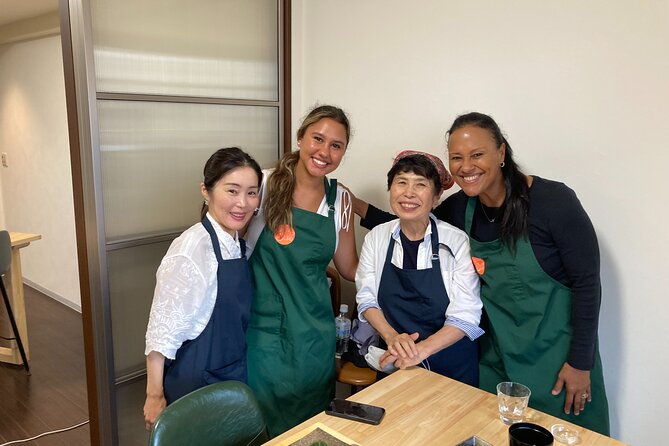
The class is designed for participation, with instructors helping you through each step rather than leaving you to guess how firmly to press or how tightly to roll. The small maximum group size matters here. Sushi-making is tactile, and a clear demonstration is useful, but so is having someone nearby when your rice or roll doesn’t behave as planned.
The teaching has been described as patient and clear, with instructors willing to answer questions and adjust their pace. Instructors named by people who have taken classes include Ami, Jaimi and Yoshi, though you shouldn’t assume a particular teacher will lead your session. English instruction has also been described as clear, which helps when the lesson includes both practical steps and explanation of Japanese food traditions.
You don’t need previous sushi-making experience. The class is suitable for beginners, and the instructors can help participants who need extra support. One family even brought a 12-year-old who enjoyed learning alongside a parent. If you’re travelling solo, the small group format also makes this a reasonable activity to book on your own.
The meal is part of the value
At the end, you eat the sushi you’ve made alongside miso soup. That turns the class into more than a short cooking demonstration: you learn, practise, and have a meal without needing to find a restaurant immediately afterward. The food is the payoff, but the useful part is carrying home techniques you can try again.
The $71.16 price is best judged as a three-hour activity with instruction, ingredients, an apron, three sushi styles and a meal. It isn’t a bargain-priced snack stop, and the value depends on whether you want to cook as well as eat. If you’re curious about Japanese food and like learning by doing, the combination offers more than simply ordering a sushi lunch.
A few participants have found the finished food especially satisfying, and some left with ideas for new ingredient combinations. That makes sense: assembling the salad roll lets you see how familiar fillings work together, while nigiri and pressed sushi teach distinct ways to pair rice and toppings. You’re not promised a professional-level result, but you’ll leave with a better sense of how the parts fit together.
Finding Room 807 in Dotonbori
The meeting point is Cooking Sun at Masters Residence Dotonbori I, in Osaka’s Chuo Ward, Shimanouchi district. The exact address provided is 2-chōme 9-14, Room 807, and the class begins at 9:30 am. It ends back at the meeting point after about three hours.
Give yourself time to identify the correct building. The entrance can be hard to spot, and mapping apps have directed people to the building across the street. Look for the placard that says Masters Residence Dotonbori I. Once inside, press 807 and then the button marked 呼出, meaning call, so the class can let you in. Arriving a little early is sensible; being on time is easier when you aren’t hunting for a numbered apartment door.
The activity is near public transportation, but no specific route or station is provided. Check your own map before setting out, and use the building name as well as the street address. Your ticket is mobile, and booking confirmation is provided at the time of purchase.
More hands-on workshops around Osaka:
- Sushi Making Osaka Roll and Authentic Japanese Sushi Class
★ 5.0 · 1,220 reviews - Matcha Making Class in Osaka with Authentic Japanese Sweets Set
★ 5.0 · 509 reviews - Osaka: Ramen and Gyoza Cooking Class in Dotonbori
★ 5.0 · 378 reviews - Osaka Sushi Making Class – Hands-On Nigiri & Rolls (Same-Day OK)
★ 5.0 · 352 reviews
Dietary needs and other practical details
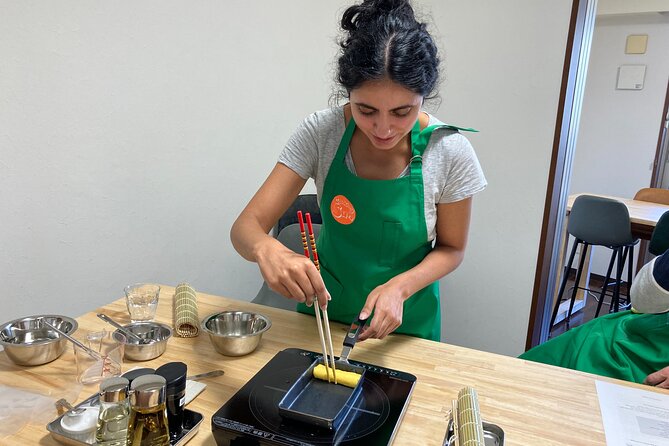
Vegetarian options are available, either with egg or without egg. A gluten-free option is also available. You need to request your preference when you book, so don’t wait until you arrive to mention it. The description does not specify the exact substitutions, so ask the provider if you need to confirm how a particular dietary requirement will be handled.
Ingredients are prepared for the class, and an apron is provided. That keeps the session focused on learning and assembling rather than shopping or kitchen preparation. You’ll still be working with food, so wear something you’re comfortable cooking in.
The group has a maximum of eight participants. That’s small enough to make the format feel personal, though the exact number in your session can vary. The class is listed at approximately three hours, which is a substantial morning activity, especially if you’re planning a full day elsewhere in Osaka.
Who will enjoy this class most
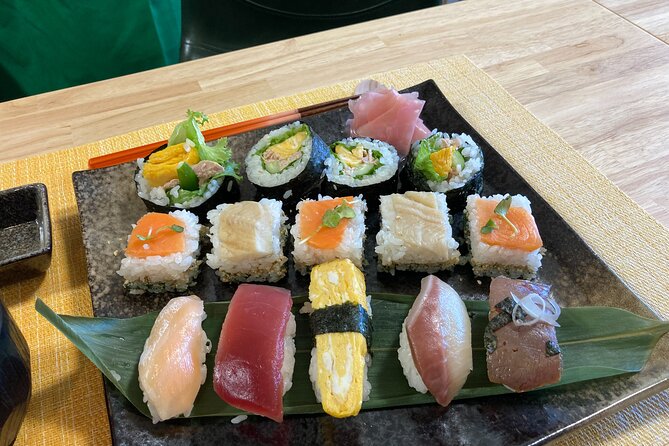
Book it if you want a practical introduction to sushi and would rather make your meal than only order it. It’s a good fit for first-timers, couples, families with children who can take part, and solo visitors who enjoy a small-group activity. The range of techniques is a plus if you already know the basics of rolls and want to try nigiri and the regional pressed style.
It also suits people who like food with a cultural story. Oshizushi gives the class a Kansai connection, and the instruction can include background on Japanese food and ingredients. You’ll get more from it if you’re curious enough to ask questions, not just follow a recipe.
You may prefer another activity if you’re short on time or only want a quick meal. Three hours is a meaningful commitment, and the class is held in a room inside a residential building rather than a walk-in restaurant kitchen. The setting is practical, but finding the entrance takes a little attention.
Should you book the Osaka sushi class?
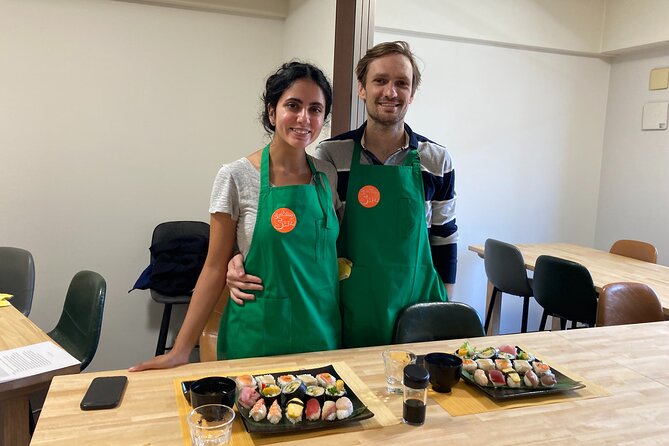
I’d book this class if making food is part of how you like to experience a place. Three styles, patient step-by-step instruction, a small group and a meal at the end make the price easier to justify than a brief demonstration. The pressed sushi is the detail I’d especially look forward to: it connects the class to Osaka instead of treating sushi as a single, universal technique.
Before booking, make sure the 9:30 am start and three-hour duration suit your plans. Send any vegetarian or gluten-free request when you reserve, and save the full building name so you don’t end up across the street. Free cancellation is available up to 24 hours before the start time; changes or cancellations inside that window are not accepted for a refund.
FAQ
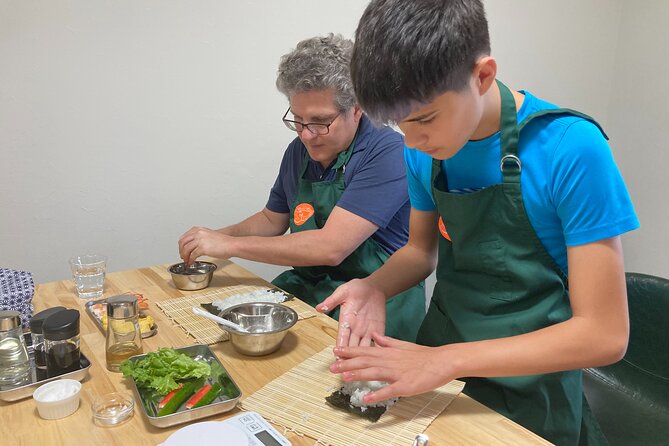
How long is the sushi class?
The class lasts approximately three hours.
What time does the class start?
It starts at 9:30 am.
Where does the class meet?
It meets at Cooking Sun, Masters Residence Dotonbori I, Room 807, in Osaka’s Chuo Ward, Shimanouchi district.
How do I enter the building?
Press 807 and then the call button marked 呼出. The class will open the door for you.
How many people can join?
The maximum group size is eight participants.
What kinds of sushi will I make?
You’ll make a salad roll, nigiri and oshizushi, also called pressed or box sushi.
Is food included?
Yes. You eat the sushi you make with miso soup at the end of the class.
Can I request vegetarian food?
Yes. Vegetarian options are available with egg or without egg. Request your preference when booking.
Is a gluten-free option available?
Yes. Request the gluten-free option when booking.
Can I cancel for a refund?
You can cancel for a full refund at least 24 hours before the class start time. Cancellations or changes made less than 24 hours before the start time are not accepted.
Just added around Osaka
- Mount Koya from Osaka: Cultural Small Group Day Tour★ 5.0 · 3 reviews
- Matcha Tea Bowl Experience in Osaka★ 5.0 · 11 reviews
- Master Washoku: 5 Core Techniques for Authentic Cooking★ 4.7 · 7 reviews
- Manno: Osaka Premium Wagyu BBQ Experience Reservation★ 5.0 · 4 reviews
- Learning Shodo with a kimono and Trying Samurai Calligraphy★ 4.2 · 7 reviews
- Katsu Curry OR Bento Making Cooking Class & Local Shop Tour★ 4.9 · 11 reviews
- Himeji: Private Guide Tour of the Castle from Osaka or Kyoto★ 4.5 · 7 reviews
- Osaka and Nara Customized Private tour with English Driver★ 4.7 · 4 reviews
Dotonbori Tours, compared.
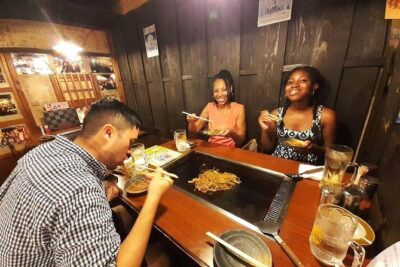
Osaka Local Foodie Walking Tour in Dotonbori and Shinsekai
Read our review →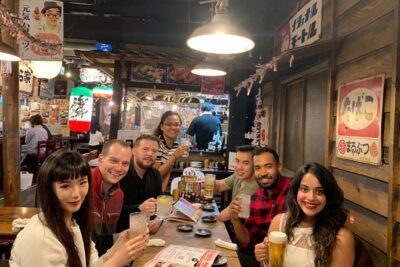
Osaka Bar Hopping Night Walking Tour in Namba (3 bars, 6 tastes)
Read our review →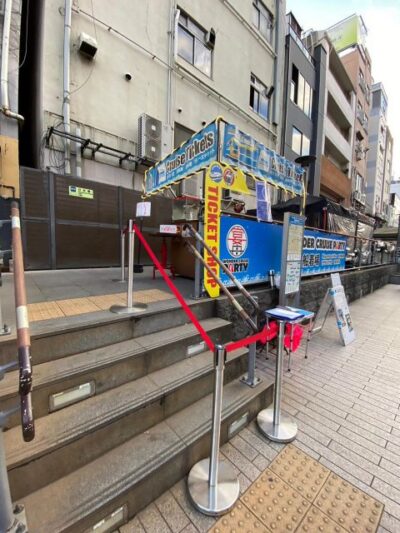
Dotonbori District River Cruise with Drink Discount
Read our review →
Ultimate Osaka Walking Tour: Castle, Dotonbori & Hidden Gems
Read our review →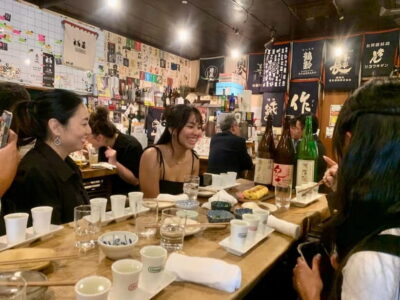

Roll and Authentic Sushi Making Class in Dotonbori
Read our review →Browse the lists this tour appears in