
Reviewed · OSAKA COOKING CLASSES
Japanese cooking class
A walk through an old-fashioned Osaka shopping street sets up this hands-on Japanese cooking class: you get a taste of local everyday life before heading to a studio to cook and eat together. Ramen and gyoza have featured in classes led by instructors including Shohei and Max, though the menu may differ.
I like two things in particular: the class gives you a practical way to learn about Japanese food, and you leave with recipes and a souvenir rather than only a full stomach. One consideration is that you pay your own expenses on the shopping street, and the experience includes only 150 minutes, so it is a short introduction rather than a full cooking course.
Key points to know
- Meet at Matsuya-cho Station: Find the guides at Exit 3 of the Nagahori Tsurumi-ryokuchi Line station. They wear blue samurai outfits and hold a placard.
- Walk, then cook: The experience pairs a nearby old-fashioned shopping street with a shared cooking lesson in a studio.
- Ramen and gyoza are possible dishes: These were made in classes led by Shohei and Max, but the exact menu is not guaranteed.
- Recipes and a souvenir are included: You can take home a record of what you learned, plus a souvenir based on the class.
- Plan for your own shopping-street spending: Drinks, alcohol, and other personal purchases are not included.
- The class lasts 150 minutes: At $83 per person, it is a compact food experience, not an extended workshop.
Start at Matsuya-cho Station
The meeting point is Exit 3 of Matsuya-cho Station on Osaka’s Nagahori Tsurumi-ryokuchi Line. The guides wear blue samurai outfits and carry a placard, a useful detail if you are navigating a station exit in an unfamiliar part of town. The studio is about a five-minute walk from the station.
Allow enough time to find the exit and meet the group without rushing. Transportation to the meeting point is not included, so you will need to arrange and pay for your own ride there. If you are using a map app, search for the station and the named exit, rather than assuming the studio itself is the meeting point.
The unusual guide outfit may make the meeting easier to spot, but it also signals the class’s friendly, informal spirit. You are not arriving for a formal restaurant meal. You are joining a local food activity built around walking, cooking, eating, and sharing the process.
More cooking classes around Osaka:
- Sushi Making Osaka Roll and Authentic Japanese Sushi Class
★ 5.0 · 1,220 reviews - Osaka Sushi Making Experience
★ 5.0 · 400 reviews - Osaka: Ramen and Gyoza Cooking Class in Dotonbori
★ 5.0 · 378 reviews
Take a short walk through an old-fashioned shopping street
Before cooking, you stroll through a nearby old-fashioned shopping street with a guide. That is a modest but worthwhile addition: instead of going straight into a kitchen, you get a glimpse of an everyday commercial street and a sense of the neighborhood around the class.
The walk is part of the experience, not a dedicated shopping excursion. You can look around and enjoy the atmosphere, but any personal purchases are your responsibility. Drinks and alcohol are also not covered, so bring a little extra if you expect to buy something along the way.
The street walk can help put the food lesson in context. Japanese cooking is not only about recipes; ingredients and food habits are part of daily life. The class description emphasizes ingredients unique to Japan, though it does not specify which ones you will encounter. Go curious, but do not count on a particular shop or ingredient being featured.
Cook together in the studio
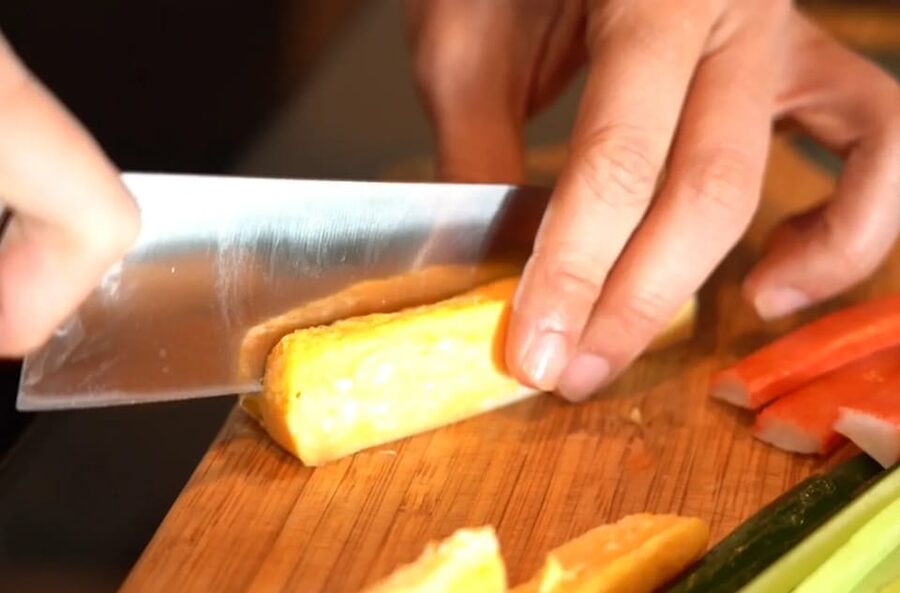
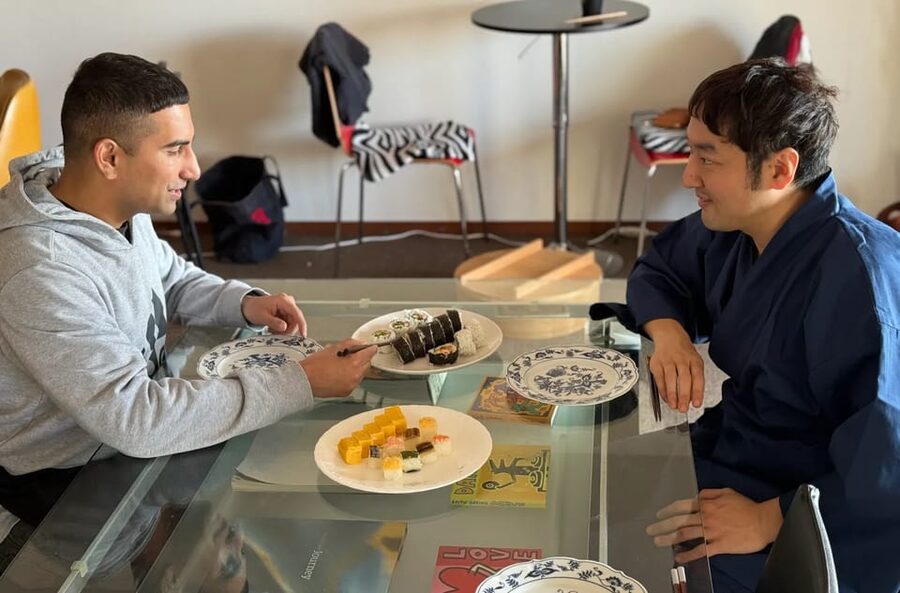
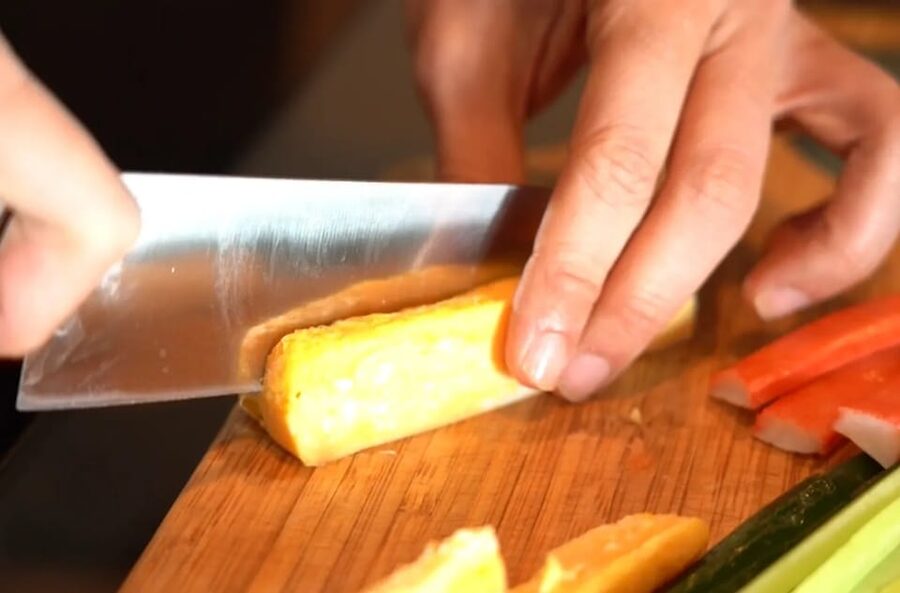
The cooking lesson is the main event. You work with the instructor and other participants to prepare Japanese food, then sit down to eat what you have made. The class is designed as a shared activity, so it suits people who want to take part rather than watch a chef perform from a distance.
Ramen and gyoza have been on the menu in classes led by Shohei and Max. These are approachable dishes for a mixed group: there are steps to learn, tasks to share, and a meal at the end. One family of five found that everyone could take an active role. If you are booking as a family or group, that is a reassuring sign, although the precise tasks and menu can vary.
The instruction is one of the strongest reasons to choose this experience. Shohei has been praised for explaining both what to do and why, while Max has been described as making the lesson fun, engaging, and educational. Those names tell you something about instructors who have led classes, but they do not guarantee who will teach on your date. Instruction is offered in Japanese, Chinese, and English.
The experience is part of a wider food program that offers more than 300 Japanese and Japanese-made Western dishes to international visitors. That breadth suggests the cooking class sits within a larger effort to introduce Japan through food, rather than being limited to one fixed menu. Still, the information here does not confirm which dish you will make when you book. If a particular recipe matters to you, check the available details before committing.
Eat what you make, then take the recipe home
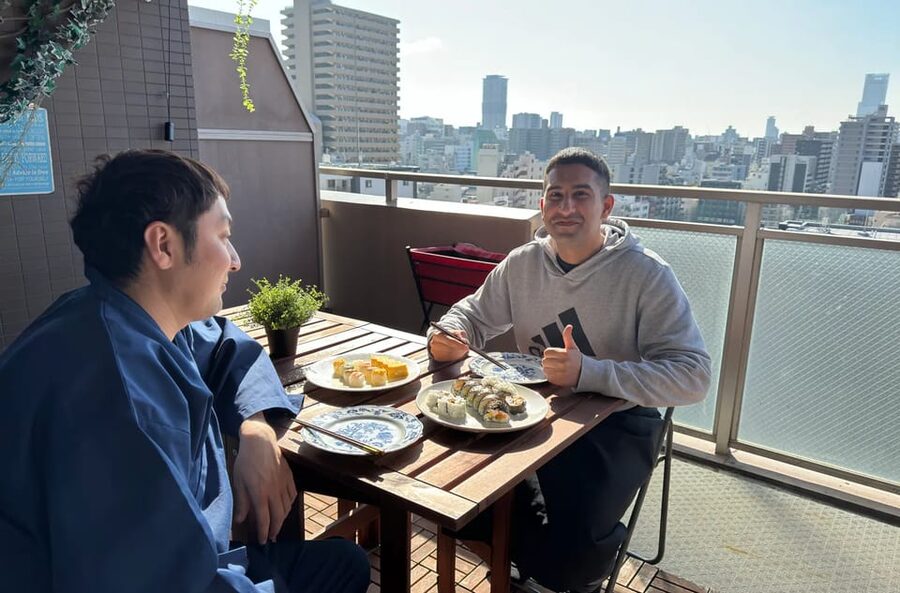
After the cooking, you eat the dishes together in the studio. That shared meal gives the class a satisfying finish: the lesson is not just about watching steps or collecting a recipe, but about seeing how the ingredients come together and tasting the result.
The class includes the cost of materials, the lesson, the venue, tableware and cooking equipment, and a souvenir. The recipes you learn are given to you at the end, so you have a reference to take home. That is a practical perk, especially if you want to try making the dish again after your trip.
The souvenir is described as being based on the recipes, but its exact form is not specified. Treat it as a small take-home reminder, not as a substantial shopping item. The most useful keepsake is likely the recipe itself, particularly if you have enjoyed the cooking and want to recreate some part of the meal.
More hands-on workshops around Osaka:
- Matcha Making Class in Osaka with Authentic Japanese Sweets Set
★ 5.0 · 509 reviews - Osaka Sushi Making Class – Hands-On Nigiri & Rolls (Same-Day OK)
★ 5.0 · 352 reviews - Osaka Cooking Class: Okonomiyaki &Japanese cuisines experience
★ 5.0 · 261 reviews - Osaka: Roll and Authentic Sushi Making Class in Dotonbori
★ 4.9 · 239 reviews
Is $83 a fair price for 150 minutes?
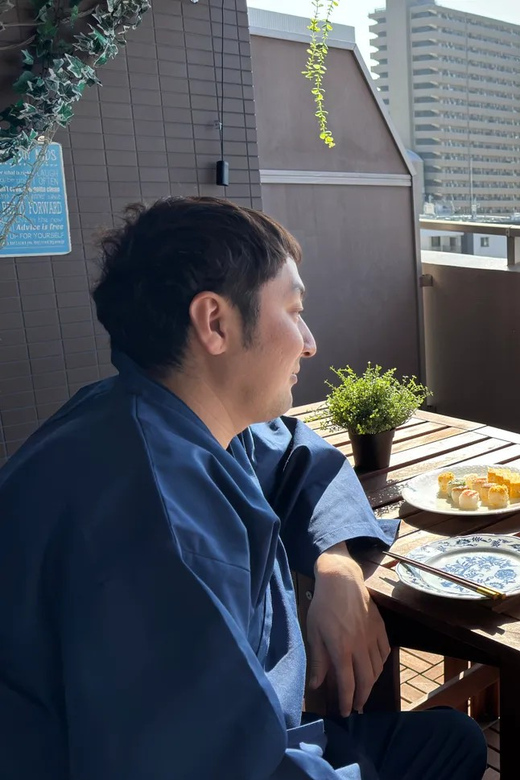
At $83 per person, this is not a bargain meal or a low-cost cooking demonstration. You are paying for a 150-minute package that combines a guided neighborhood walk, ingredients, instruction, use of the studio and equipment, a meal, recipes, and a souvenir. If you value having those pieces organized in one short activity, the price may feel reasonable.
The value depends on how actively you want to take part. If you would rather sample prepared dishes or spend your time exploring the shopping street independently, this may not be the best use of your budget. But if you want an English-language cooking experience with a guide and a meal you helped prepare, the class offers more than a restaurant visit.
Remember to budget separately for transport and anything you buy or drink on the walk. That is not a hidden charge, but it does mean $83 is not the full cost of the outing. The core class expenses are included, so you do not need to bring money for ingredients, equipment, or the studio itself.
Who will get the most from this class?
I would consider this a good fit if you enjoy learning by doing. The cooking is participatory, and the family experience suggests it can work well for different ages within a group, provided everyone is interested in taking part. It is also a useful choice if you want a food activity that gives you a small taste of the neighborhood, rather than keeping you indoors for the whole session.
It may suit first-time visitors who want a guided introduction to Japanese cooking without signing up for a full-day course. The lesson is offered in English, Japanese, and Chinese, and the 150-minute duration is manageable if your schedule is tight. The walk and studio session give the experience a clear rhythm without taking up an entire afternoon.
It is less suitable if you need a guaranteed menu, want a long or highly technical cooking course, or are mainly looking for an inexpensive meal. The available information does not promise a specific dish, and the class is short. Think of it as an enjoyable introduction with practical take-home material, rather than formal culinary training.
Booking details worth checking
The activity lasts 150 minutes, and starting times depend on availability. It is offered by Japanticket Inc. You can cancel up to eight days in advance for a full refund, which gives you some flexibility if your plans change, though you should confirm the terms at booking.
The meeting point is specific: Exit 3 at Matsuya-cho Station on the Nagahori Tsurumi-ryokuchi Line. Look for the blue samurai guides holding a placard. The studio is about a five-minute walk away, but the meeting point, not the venue, is where you should plan to arrive.
Should you book it?
Book this class if you want to cook with a guide, eat what you make, and take home the recipes from a short, well-rounded Osaka food outing. The combination of a neighborhood walk and a participatory lesson makes the experience more personal than simply sitting down to a meal.
Before you book, decide whether the price makes sense for your priorities and remember that the menu is not guaranteed. If you are happy with a compact introduction to Japanese cooking, and the chance to learn matters as much as the meal, this is a worthwhile way to spend two and a half hours.
FAQ
How long does the Japanese cooking class last?
The experience lasts 150 minutes.
How much does the class cost?
The listed price is $83 per person.
Where is the meeting point?
Meet at Exit 3 of Matsuya-cho Station on the Nagahori Tsurumi-ryokuchi Line.
How will I recognize the guides?
They wear blue samurai outfits and hold a placard.
What languages are offered?
Instruction is available in Japanese, Chinese, and English.
What food will I cook?
Ramen and gyoza have featured in classes, but the exact menu is not specified as guaranteed.
Is a shopping-street walk included?
Yes. The experience includes a guided stroll through a nearby old-fashioned shopping street.
What is included in the price?
The price includes materials, the shopping street guide, the cooking lesson, the venue, a souvenir, and tableware and cooking equipment rental.
Do I pay for drinks or personal purchases during the walk?
Yes. Personal expenses in the shopping district, including drinks and alcohol, are not included.
Can I cancel for a full refund?
Yes. You can cancel up to eight days in advance for a full refund.
Just added around Osaka
- Mount Koya from Osaka: Cultural Small Group Day Tour★ 5.0 · 3 reviews
- Matcha Tea Bowl Experience in Osaka★ 5.0 · 11 reviews
- Master Washoku: 5 Core Techniques for Authentic Cooking★ 4.7 · 7 reviews
- Manno: Osaka Premium Wagyu BBQ Experience Reservation★ 5.0 · 4 reviews
- Learning Shodo with a kimono and Trying Samurai Calligraphy★ 4.2 · 7 reviews
- Katsu Curry OR Bento Making Cooking Class & Local Shop Tour★ 4.9 · 11 reviews
- Himeji: Private Guide Tour of the Castle from Osaka or Kyoto★ 4.5 · 7 reviews
- Osaka and Nara Customized Private tour with English Driver★ 4.7 · 4 reviews
Osaka Cooking Classes, compared.

Sushi Making Osaka Roll and Authentic Japanese Sushi Class
Read our review →
Osaka Sushi Making Class – Hands-On Nigiri & Rolls (Same-Day OK)
Read our review →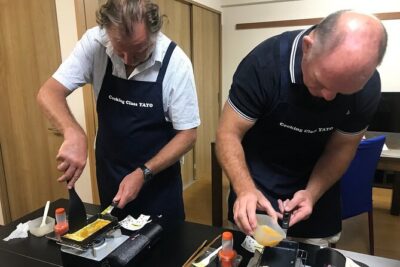
Osaka Cooking Class: Okonomiyaki &Japanese cuisines experience
Read our review →
Roll and Authentic Sushi Making Class in Dotonbori
Read our review →
Browse the lists this tour appears in