
Reviewed · OSAKA COOKING CLASSES
Master Washoku: 5 Core Techniques for Authentic Cooking
In a small Osaka apartment kitchen, you’ll cook five dishes that show how much of Japanese food happens beyond sushi and tempura. Chef Yuki draws on 4.5 years at a Michelin Bib Gourmand izakaya, teaching the kind of practical washoku skills you can take home and use again.
I like two things in particular: the menu moves from a wasabi-kicked potato salad to simmered yellowtail with daikon, and the group is capped at four, so you have room to ask questions. The optional sake tasting also gives you a useful comparison of chilled and warm styles.
One consideration: this is a three-hour cooking class, not a broad Osaka food tour, and the venue’s exact meeting point can vary by booking option. The $109 price does not include transportation or the optional sake tasting.
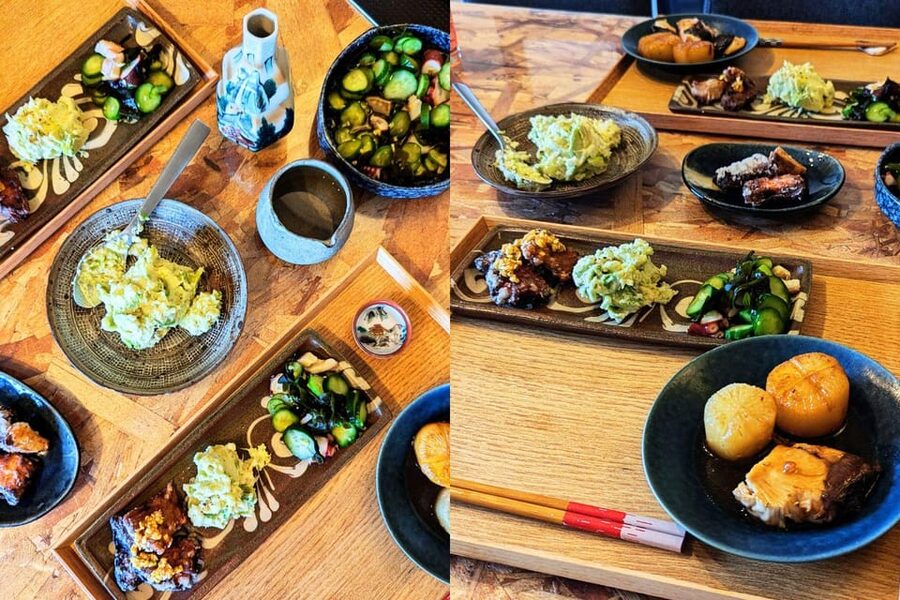
- Five dishes, not just sushi: Make potato salad, octopus and cucumber vinegar salad, fish tatsuta-age, simmered yellowtail with daikon, and mixed-rice onigiri.
- Small by design: The class is limited to four people, with instruction in English or Japanese.
- A chef’s working knowledge: Yuki brings 4.5 years of experience at a Michelin Bib Gourmand izakaya.
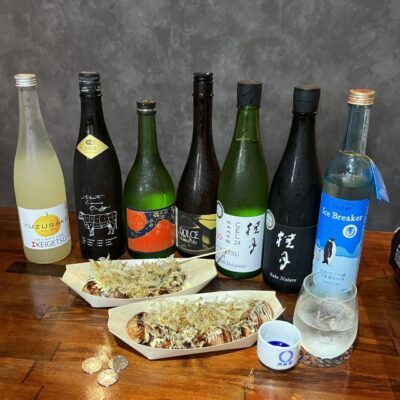
- Optional sake comparison: Taste two chilled sakes, a Junmai and a Junmai Ginjo from the same brand, plus one warm sake.
- Three hours of practical cooking: Ingredients, equipment, aprons, water, tea, and digital photos are included.
- Plan the trip to the venue: Transportation is not included, and the meeting point may depend on the option you book.
A Small Osaka Kitchen, With Room to Learn
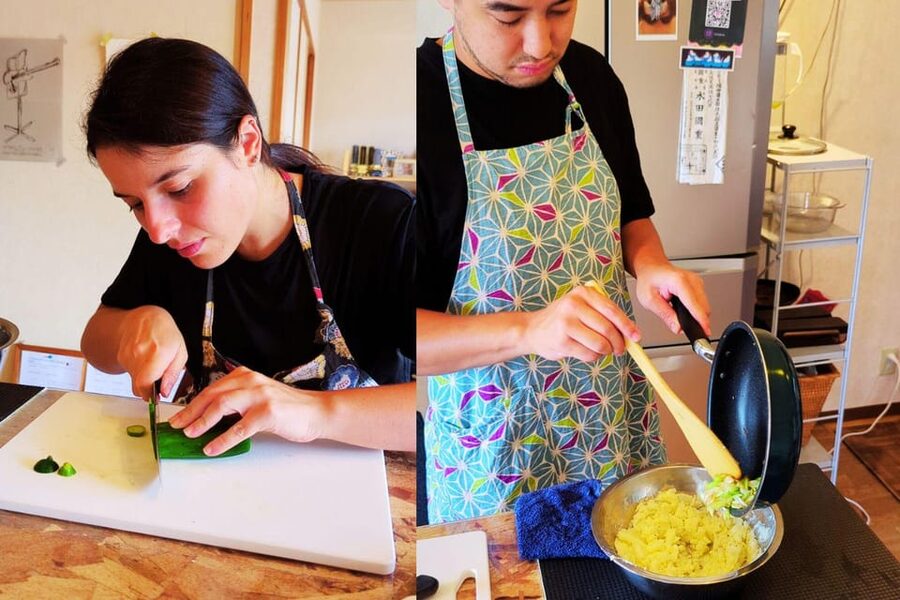
The setting is part of the appeal. Rather than joining a large demonstration, you’ll cook in a comfortable apartment near central Osaka with no more than three other participants. That limit matters: you can follow the chef’s instructions at close range, ask about ingredients, and get help as you work.
Chef Yuki teaches in English and Japanese. The class draws on her 4.5 years as a chef at a Michelin Bib Gourmand izakaya, a background that fits the menu’s focus on everyday Japanese snacks and small plates. The point is not to reproduce a restaurant meal with elaborate gear. It is to learn how familiar ingredients and careful technique make simple dishes satisfying.
The advertised duration is three hours. That gives the class time for hands-on cooking, conversation about washoku, and eating the dishes you have prepared. It is a good fit if you want a practical activity rather than another stop where you simply watch someone else cook.
Five Dishes That Show Washoku’s Range
The menu is a useful sampler of Japanese cooking. It covers creamy, sharp, crisp, savory, and comforting flavors, with different textures and ways of handling ingredients. You work with staples such as soy sauce, mirin, and sake, and learn how to balance them rather than treating any one ingredient as the whole story.
The first dish, wasabi garlic potato salad, gives a familiar izakaya favorite a sharper edge. Wasabi brings heat, while garlic adds depth. It’s a good place to see how a small change can make an everyday side dish feel distinctly Japanese. If you like potato salad but find the usual versions too mild, this one may become a useful recipe to remember.
Next comes octopus and cucumber vinegar salad, a refreshing dish built around contrast. The cucumber brings crunch, while the octopus is tender and the vinegar gives the salad its clean, balanced character. This was a particular hit with one participant, and it makes sense: it is a bright change of pace between richer dishes. It also offers a practical lesson in how acidity can keep a meal from feeling heavy.
Fish tatsuta-age with scallion sauce brings a crisp, marinated element to the menu. The fish is prepared as an appetizer and is described as a natural partner for sake. Here, the class moves into a different texture and flavor profile, and you get to see how marinating and cooking can build flavor before a sauce comes into play. The precise fish variety is not specified, so check with the instructor if you have a preference or dietary concern.
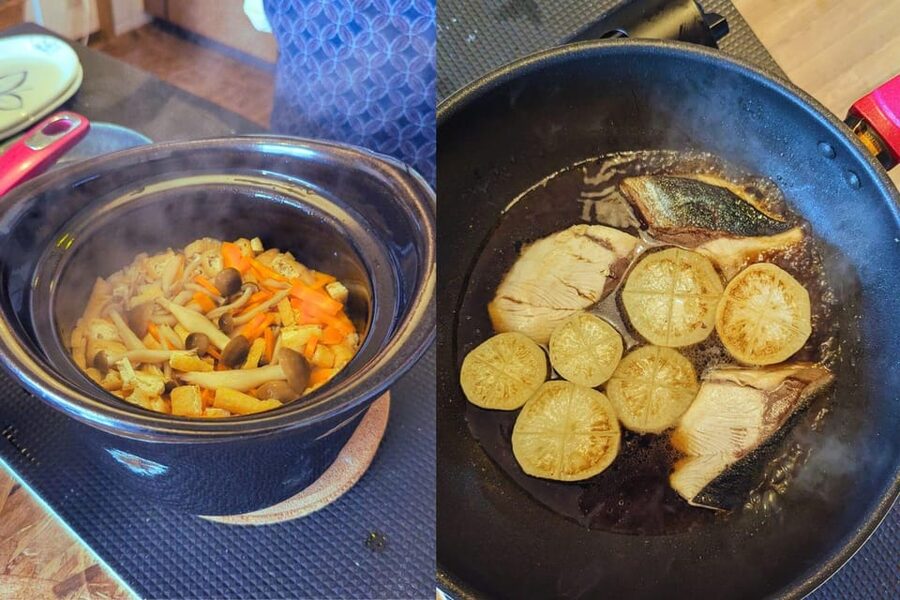
The simmered yellowtail with daikon is the menu’s most traditional-feeling main dish. Yellowtail and radish are cooked together, with the aim of tender daikon and properly cooked fish. Simmering rewards attention and timing, making this a valuable dish to learn if you want Japanese home cooking to extend beyond quick snacks. It also shows how a humble vegetable can take on the flavor of the cooking liquid.
The class finishes with mixed-rice onigiri. Instead of plain rice, you season mixed rice, then shape it into the familiar hand-held form. It’s a comforting way to end the meal and a useful reminder that onigiri can be more than a convenient snack. Learning to season the rice and shape it gives you a straightforward technique to repeat at home.
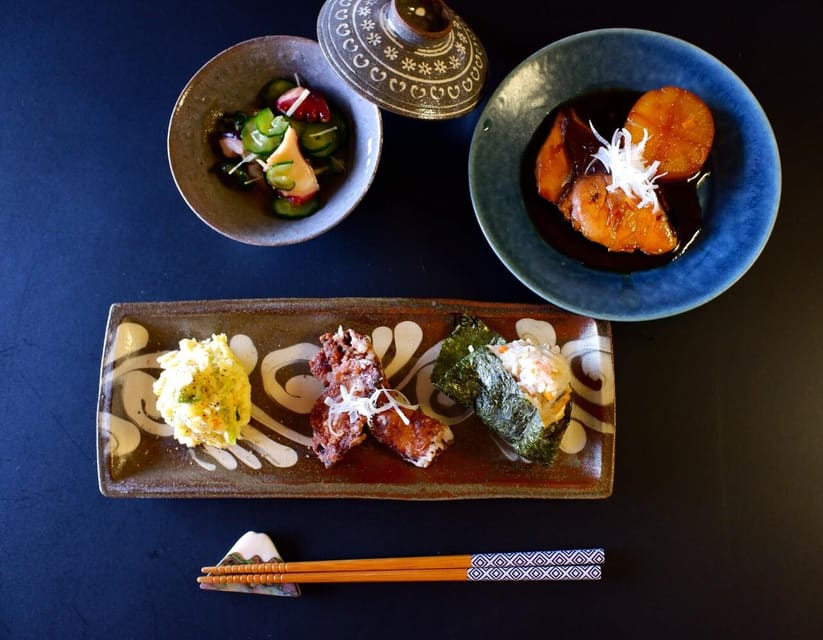
Taken together, the five dishes offer more range than a single specialty class. You get something creamy, something vinegary, something crisp, a simmered fish dish, and a rice-based finish. The menu is especially appealing if you already enjoy Japanese food but want to understand how its smaller plates fit together.
More cooking classes around Osaka:
- Sushi Making Osaka Roll and Authentic Japanese Sushi Class
★ 5.0 · 1,220 reviews - Osaka Sushi Making Experience
★ 5.0 · 400 reviews - Osaka: Ramen and Gyoza Cooking Class in Dotonbori
★ 5.0 · 378 reviews
Four Core Methods, Practiced at the Counter
The class description highlights grilling, simmering, marinating, and pickling as ways to build flavor. It also emphasizes balancing tastes and using traditional ingredients. The menu gives the clearest hands-on example of simmering in the yellowtail and daikon, and marinating in the fish tatsuta-age. The vinegar salad brings pickled and acidic flavors into the meal.
The title refers to five core techniques, but the available details name four methods rather than spelling out a fifth. It is reasonable to expect instruction across the dishes, but don’t book assuming there is a separate, named lesson for each technique. The value is in practicing several methods within a complete meal and learning how ingredients such as soy sauce, mirin, and sake help shape the result.
This is also a good class for cooks who like to ask why a step matters. The recipes are described as simple and easy to follow, and the format is hands-on rather than a lecture. You’ll come away with more than a set of dishes to copy if you pay attention to how the chef balances flavor and explains the process.
Optional Sake, Served Chilled and Warm
The sake tasting is optional, so you can decide whether it suits your interests and budget. If you add it, the tasting includes three styles: two chilled sakes from the same brand, a Junmai and a Junmai Ginjo, followed by one warm sake. Comparing two types from one producer gives you a useful way to notice differences without changing every variable at once.
The warm pour adds another point of comparison. Temperature can change how sake tastes, and the class gives you a guided opportunity to experience that contrast rather than treating sake as one fixed style. The fish tatsuta-age is noted as a good match for sake, so the tasting also connects naturally with the food.
The price of the optional tasting is not provided here, so confirm the cost before booking if you’re keeping to a set budget. You can still take the cooking class without choosing it.
What $109 Buys You
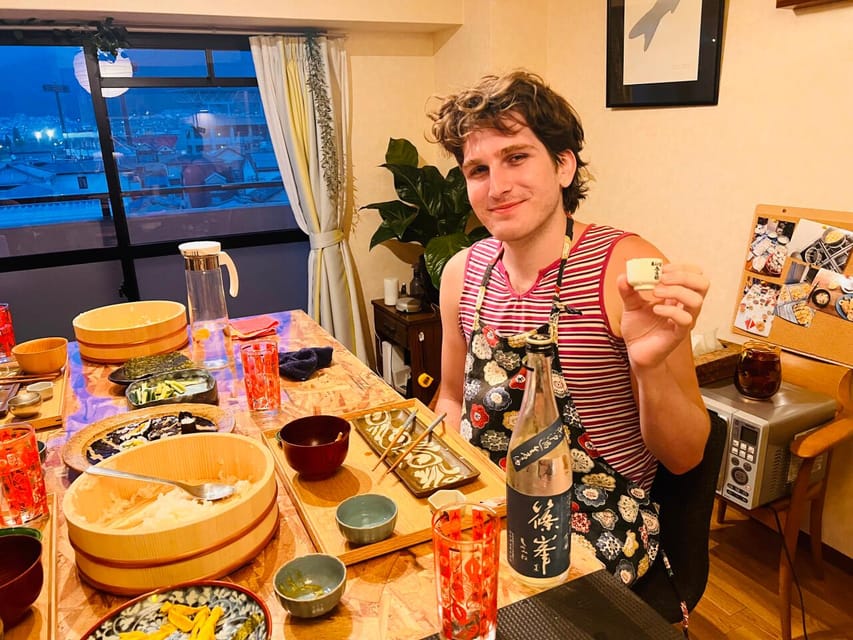
At $109 per person, this is not the cheapest way to eat in Osaka. You are paying for three hours of instruction and participation, not just five dishes. The package includes ingredients, cooking equipment, an apron, water and tea, cultural and culinary guidance, and digital photos. In a group capped at four, the price also buys a more personal format than a large class can usually offer.
The strongest value is the combination of cooking and context. You learn several methods, work with core Japanese ingredients, and get to eat the food you make. For someone who wants to bring a piece of the trip home in the form of usable skills, that is more lasting than a meal alone.
The class may be less appealing if you want a restaurant-style tasting with no work involved, or if your main goal is to tour several neighborhoods. It also does not include transportation to the venue. Because the meeting point can vary by booking option, check the location details before planning your route.
More trips and experiences around Osaka:
- Osaka Go Karting Tour with Funny Costume
★ 5.0 · 2,658 reviews - Osaka Castle: Museum and Tower Entry Ticket
★ 4.5 · 2,380 reviews - Osaka: Shinsekai Food Tour with 13-15 Dishes at 5 Eateries
★ 4.8 · 2,204 reviews - Osaka Food Tour: 13 Dishes at 5 Local Eateries
★ 5.0 · 2,149 reviews
Who Will Get the Most From It
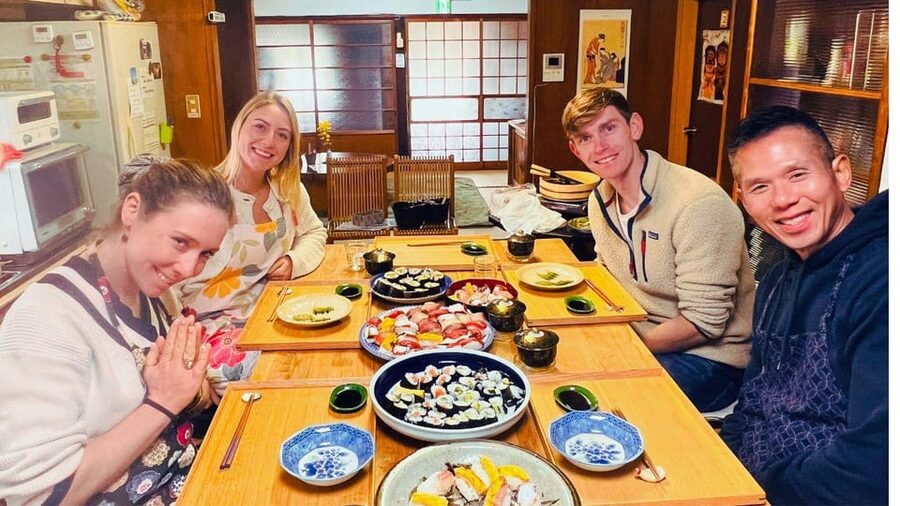
I’d recommend this class to curious home cooks, fans of Japanese food, and anyone who wants to try dishes beyond the familiar sushi-and-tempura circuit. The menu has enough variety to keep experienced cooks interested, while the recipes are described as straightforward for beginners. You do not need to arrive with professional skills to take part.
The small group is a plus for people who learn by doing and asking questions. It may also suit couples or friends looking for a shared activity that ends with a meal. If you have food allergies, tell the instructor in advance; adjustments are possible, though the class asks you to discuss them rather than promising every request can be met.
This is not the best choice if you need a fully specified menu before booking. The exact fish for the tatsuta-age is not named, and allergy adjustments are described as possible rather than guaranteed. Ask about any dietary needs before you commit.
Booking and Practical Details
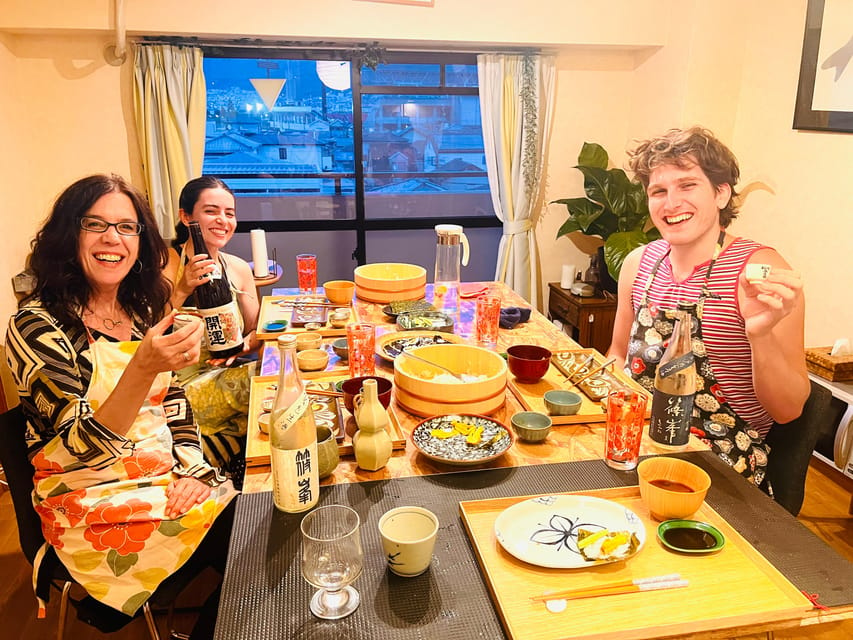
The class runs for three hours, with starting times shown according to availability. Instruction is offered in English and Japanese. The group limit is four, and the activity includes aprons, ingredients, equipment, water, tea, and digital photos.
Transportation to the venue is not included. The meeting point may vary depending on the option booked, so check your confirmation details and allow time to reach the address. You can reserve without paying immediately, and cancellation is free up to 24 hours in advance for a full refund.
Should You Book This Osaka Cooking Class?
Book it if you want a hands-on introduction to Japanese home and izakaya cooking, especially if you’d like to leave with techniques you can use in your own kitchen. The small group, varied menu, and optional sake comparison make it a more personal and practical choice than a simple meal out.
Skip it if you are looking for a guided food walk, a restaurant meal with no cooking, or a class with a fully specified menu and guaranteed allergy substitutions. For the right cook-curious visitor, though, $109 buys three focused hours, five dishes, and a welcome change from eating Japanese food without knowing how it comes together.
FAQ
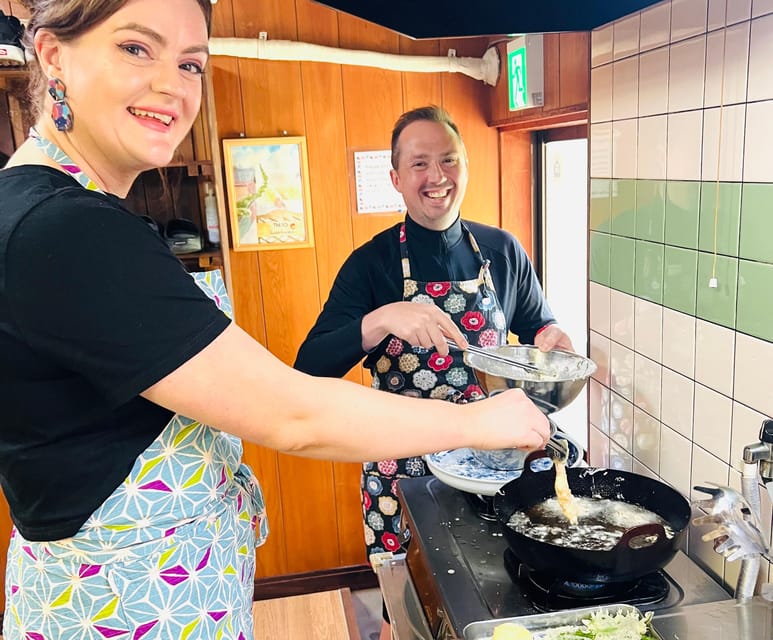
How long is the cooking class?
The class lasts three hours.
Where does the class take place?
It takes place in a comfortable apartment near central Osaka. The meeting point may vary depending on the option booked.
How many people are in the group?
The class is limited to four participants.
What language is the class taught in?
Instruction is available in English and Japanese.
What dishes will I make?
You’ll prepare wasabi garlic potato salad, octopus and cucumber vinegar salad, fish tatsuta-age with scallion sauce, simmered yellowtail with daikon, and mixed-rice onigiri.
Is the sake tasting included?
The sake tasting is optional. It includes two chilled sakes, a Junmai and a Junmai Ginjo from the same brand, and one warm sake.
Are ingredients and cooking equipment provided?
Yes. Ingredients and necessary cooking equipment are included.
Are aprons, water, and tea provided?
Yes. Aprons, complimentary water, and tea are included.
Can the class accommodate food allergies?
You should tell the instructor about allergies in advance. Adjustments are possible, but they are not guaranteed for every preference.
Is transportation to the venue included?
No. You are responsible for getting to the venue.
Just added around Osaka
- Mount Koya from Osaka: Cultural Small Group Day Tour★ 5.0 · 3 reviews
- Matcha Tea Bowl Experience in Osaka★ 5.0 · 11 reviews
- Manno: Osaka Premium Wagyu BBQ Experience Reservation★ 5.0 · 4 reviews
- Learning Shodo with a kimono and Trying Samurai Calligraphy★ 4.2 · 7 reviews
- Katsu Curry OR Bento Making Cooking Class & Local Shop Tour★ 4.9 · 11 reviews
- Himeji: Private Guide Tour of the Castle from Osaka or Kyoto★ 4.5 · 7 reviews
- Osaka and Nara Customized Private tour with English Driver★ 4.7 · 4 reviews
- Osaka/Kyoto: Arashiyama, Nara Park, Fushimi Shrine Tour★ 4.1 · 13 reviews
Osaka Cooking Classes, compared.

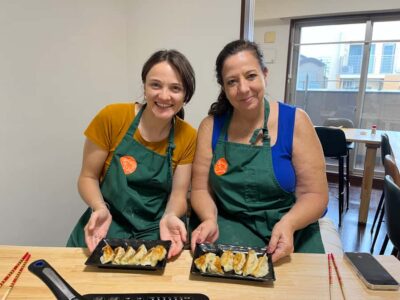
Sushi Making Osaka Roll and Authentic Japanese Sushi Class
Read our review →
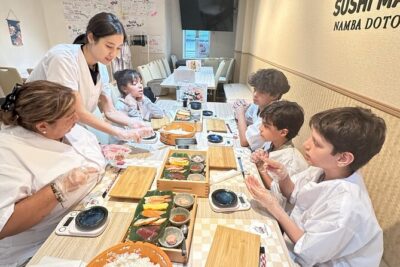
Osaka Sushi Making Class – Hands-On Nigiri & Rolls (Same-Day OK)
Read our review →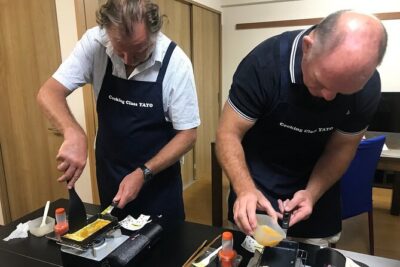
Osaka Cooking Class: Okonomiyaki &Japanese cuisines experience
Read our review →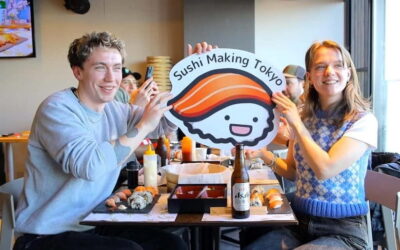
Roll and Authentic Sushi Making Class in Dotonbori
Read our review →
Browse the lists this tour appears in