
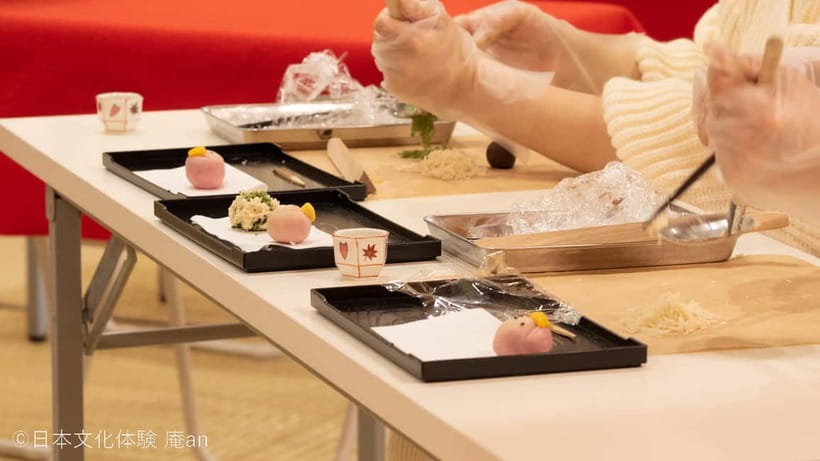
Reviewed · OSAKA TEA CEREMONIES
Osaka: Japanese Traditional Sweets Making and Tea Ceremony
Nerikiri turns bean paste into small seasonal works of art: flowers, fruit, and other shapes made by hand. This 95-minute Osaka class pairs that careful work with Uji matcha, so you make two sweets, learn how tea is prepared, and finish by tasting your creations.
I like two things in particular: you work with white and red bean paste from long-established Kyoto shops, and the class gives you time to shape two different sweets rather than watch a demonstration from the sidelines. The matcha is single-origin, and there’s a grinding demonstration as part of the tea segment.
One thing to plan for: English support is not guaranteed, since Japanese is the stated language. Contact the provider ahead of time if you want English translation, and arrive promptly; the class won’t wait for late arrivals.
The details that make this class worthwhile
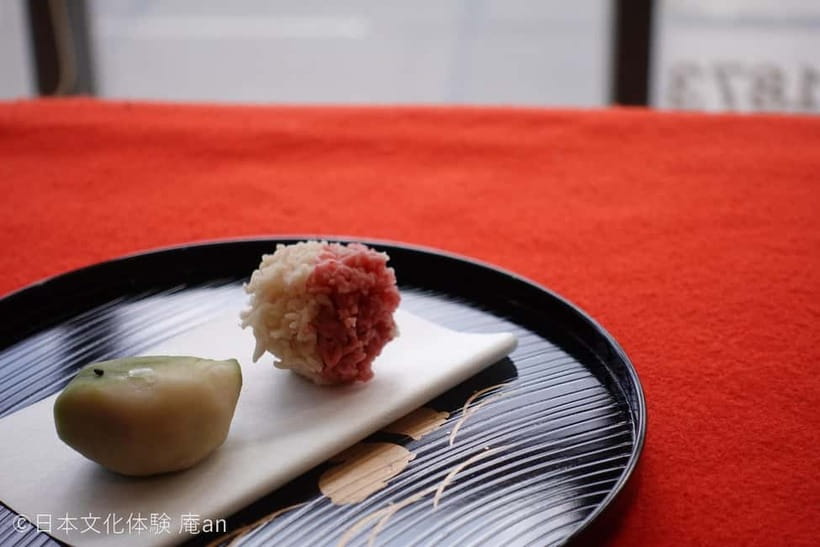
- Two seasonal sweets, made by you: Shape a flower-style nerikiri and a kinton nerikiri, with coloring and forming as part of the work.
- Kyoto-made bean paste: The class uses white and red bean paste from long-established Kyoto shops, giving you a taste of the ingredient as well as the technique.
- Uji matcha and a grinding demonstration: Learn about the tea and see how matcha is ground before the tea-ceremony portion.
- A compact 95-minute schedule: Sweets, tea, a short break, and tasting fit into a single city-day slot.
- A central Osaka location: Higobashi Station is about a minute away on foot; several other stations and Osaka Station are within walking distance.
- A few practical catches: The venue has stairs and no elevator, English help should be requested in advance, and a take-out box costs an extra 100 yen.
Shaping seasonal nerikiri by hand
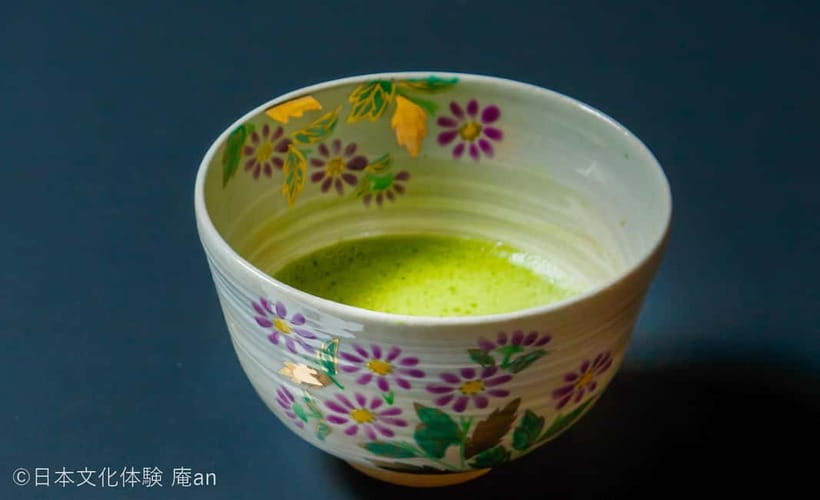
The class begins with an explanation of Japanese traditional sweets, then moves straight into making nerikiri. This high-grade confection is formed from colored white bean paste, shaped to reflect flowers or fruit associated with the season. That seasonal focus gives the craft a point beyond making something pretty: the shape connects the sweet to a particular time of year.
You start by coloring the paste, then shape a flower-style nerikiri. The second sweet is kinton nerikiri, giving you another form to try rather than repeating the same exercise. The appeal is in the small decisions: how to color the paste, how to shape it, and how much detail you want to add. You don’t need to arrive as an artist. The instructor guides the steps, and past classes have been taught by patient, friendly instructors such as Maiko and Jun.
I like that this is a making class, not simply a tasting. You get a better sense of the work behind wagashi, the Japanese sweets served with tea, when you handle the paste yourself. The class also uses white and red bean paste made by established shops in Kyoto. That detail matters: the ingredients are part of the lesson, not just a neutral material for practicing shapes.
The craft rewards patience more than speed. If you enjoy hands-on activities, the coloring and forming give you room to work at your own pace. If you want a polished souvenir, keep in mind that the class is about making and eating your sweets, not producing a perfect display piece. Your results will reflect your own touch, which is part of the fun.
The schedule puts the sweets portion first, followed by a break at about the 55-minute mark. That leaves a little breathing room between the focused shaping work and the tea segment. Bring curiosity, not a need to rush through every step.
More tea ceremonies around Osaka:
- Osaka: Tea Ceremony Experience
★ 4.9 · 1,426 reviews - Tea Ceremony Experience in Osaka Doutonbori
★ 5.0 · 754 reviews - Matcha Making Class in Osaka with Authentic Japanese Sweets Set
★ 5.0 · 509 reviews
A tea lesson built around Uji matcha
After the sweets, the class turns to tea. You’ll hear an explanation of the tea ceremony and see a matcha-grinding demonstration, followed by a tea-ceremony experience using Uji matcha. The matcha is described as single-origin, a detail that gives the tasting a useful focus: you are not just sipping green tea, but learning about a specific kind of Japanese tea.
The class includes preparing your own matcha, which you then enjoy with the sweets you made. That pairing is central to the session. Nerikiri is sweet, and the tea’s flavor provides a counterpoint. Rather than treating tea as an afterthought, the class gives you a chance to notice how the two are meant to work together.
Set your expectations sensibly. This is a short cultural class, not a lengthy formal tea ceremony. The advertised plan includes a tea-ceremony segment and preparing matcha, while the level of hands-on practice with ceremony steps may vary. One class participant described hearing about the customs and asking questions without practicing the ceremony itself. If you want a highly formal or extended ceremony, this may not be the right fit.
There is also a matcha-grinding demonstration, but the details do not promise that every participant will grind the tea personally. Think of it as a chance to see and learn about the process, then prepare and drink matcha as part of the class.
The tea section begins at around 65 minutes, with picture time noted before the experience ends at about 85 minutes. The remaining time, until the 95-minute room departure, is set aside for eating and drinking. That final stretch is useful: you can enjoy what you made without having to rush straight out of the room.
How much class time you actually get
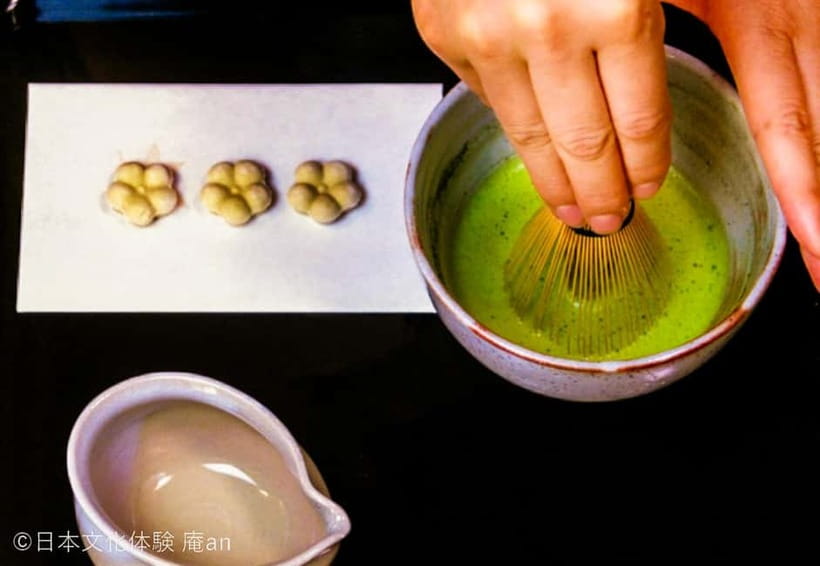
At 95 minutes, this is a tidy activity to fit between other Osaka plans. It is long enough for two sweets, an introduction to the tea, and a tasting, but short enough that it won’t take over half your day. The schedule is fairly clear: an opening explanation, two sweets, a break, tea instruction and preparation, picture time, then eating and drinking.
The timeline marks the sweets and tea portions at 55 and 65 minutes, respectively. It lists the experience as ending around minute 85, followed by eating and drinking until room departure at minute 95. That distinction is worth knowing if you have a tight connection or a dinner reservation. Leave a little room after the stated end, rather than assuming you’ll be out the door at exactly 85 minutes.
The class operates from 10:00 to 17:00, with start times varying by availability. Since the schedule is compact and the provider says it cannot hold the event for late arrivals, plan your route before the day and aim to arrive early. A missed start could mean missing the activity, and travel expenses to the venue are not compensated if the class is cancelled.
What the $18 price includes
At $18 per person, the class offers a notably approachable way to try two parts of Japanese food culture in one sitting. The fee covers the experience and the required tools. You make two sweets, take part in the matcha segment, and eat what you prepared. That is better value than a simple demonstration because the hands-on making is a substantial part of the class.
The ingredients also add to the value. The sweets use bean paste from established Kyoto shops, and the tea is Uji matcha described as single-origin. You are paying for instruction and a guided activity, but you also get to work with ingredients tied to well-known Japanese food traditions.
There are two optional extras to budget for. A sweets take-out box costs 100 yen, and a completion certificate costs 300 yen. If you want to bring your sweets away, the box is the practical add-on. Don’t assume the sweets automatically come in take-home packaging.
The price looks especially sensible if you’re curious about Japanese culture but don’t want a long, costly formal program. The trade-off is that the class is brief and the English level can vary. For a low-cost introduction, that balance may suit you well; for a deep lesson in tea ceremony form, you may want a more specialized class.
More sweet-tooth tours around Osaka:
- Osaka: Matcha Making Experience with Japanese Sweets
★ 5.0 · 146 reviews - Japanese Traditional Sweets “Nerikiri” making
★ 4.2 · 5 reviews
Finding the venue near Higobashi
The meeting point is in central Osaka, close to several train stations. Higobashi Station on the Osaka Metro Yotsubashi Line is the quickest approach, about a one-minute walk from Exit 10. Watanabebashi Station is about five minutes away from Exit 7, while Yodoyabashi Station is around seven minutes on foot from Exit 10.
You can also walk from Kitashinchi Station in about 10 minutes or from Osaka Station in about 15 minutes. That gives you options if you are already in the Umeda area or connecting from another part of the city. If you drive, use nearby coin parking; parking is not included.
One useful navigation tip: the building can be easy to miss. A class participant had trouble because Google Maps did not identify the gray building clearly. Use the provided map and coordinates, and check the building itself as you approach rather than relying only on a map pin. Since late arrivals are not accommodated, give yourself time to confirm the entrance.
There is no elevator, and you’ll need to use stairs to reach each venue. That is an important limitation if stairs are difficult for anyone in your party. The activity is not suitable for someone who cannot manage them.
Language, group feel, and who will enjoy it
Japanese is the stated language, with English translation available as much as possible. English ability has varied by instructor, though several instructors have handled explanations in both Japanese and English. Maiko, Jun, and Mihiko are among the names associated with past classes, but you should not count on a particular person teaching your session.
If you need English, contact the provider in advance to request it. A last-minute booking may not leave time to arrange translation. Even when the instructor’s English is limited, the class is built around visible, step-by-step work, and questions can help clarify the process. Still, if you need detailed verbal instruction in English, make the request before booking rather than assuming it will be available.
The atmosphere can be casual and personal. A small class, including a session with only two participants, has been possible, but a particular group size is not guaranteed. The instructors have been described as patient and welcoming, which matters when you’re learning a delicate craft and may be crossing a language gap.
Families may find the activity appealing: children aged 10 and 12 have enjoyed it, and children under two who sit on a parent’s lap are free. The free policy applies only to children under two sitting on a parent’s lap. The supplied details do not spell out a general child price, so check before booking for other ages.
This class suits you if you like making things, want a gentle introduction to wagashi and matcha, or need a calm activity amid a busy Osaka itinerary. It is less suited to anyone expecting a long, highly formal tea ceremony, guaranteed English instruction, step-free access, or a take-home box included in the fee.
Booking the class with realistic expectations
The activity has a 4.7 rating from 118 reviews, and the strongest recurring points are clear instruction, friendly teaching, the pleasure of making the sweets, and the matcha lesson. Those are the right reasons to book. The class is not trying to be a full-day cultural program; it gives you an accessible, compact introduction to two traditions through making and tasting.
The main uncertainties are language and the exact style of the tea segment. English may be strong, but Japanese is the listed language, so request help ahead of time. And while the class includes a tea-ceremony experience, the format may be more informal and explanatory than a full formal ceremony.
You can reserve now and pay later, and cancellation up to 24 hours in advance is eligible for a full refund. Check availability for start times, arrive on time, and allow for the stairs and possible difficulty spotting the gray building.
Should you book this Osaka sweets and matcha class?
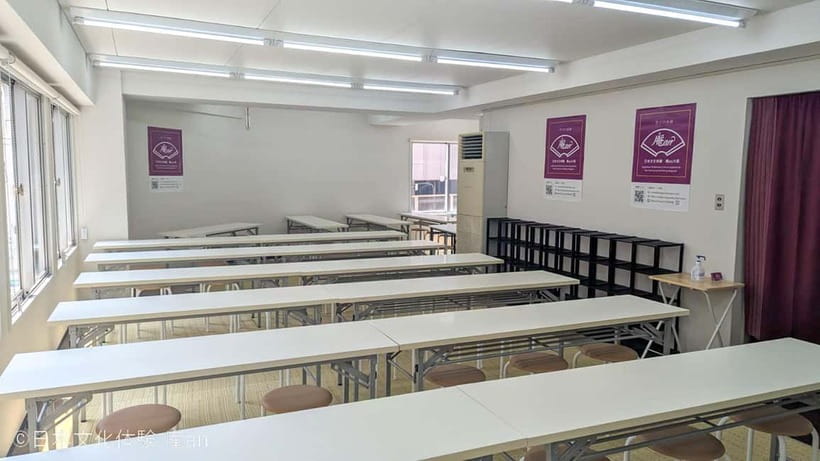
I’d book it if you want a hands-on, fairly priced cultural activity that fits neatly into a day in Osaka. Making two seasonal nerikiri with Kyoto bean paste, then preparing Uji matcha to enjoy alongside them, gives the class a satisfying shape and a clear link between craft and taste.
Skip it if you need guaranteed English, cannot manage stairs, or want a formal tea ceremony with extensive practice. For everyone else, it is a practical and appealing way to spend 95 minutes, especially if you enjoy food, careful handiwork, and learning by doing.
FAQ
How long does the class last?
The activity lasts 95 minutes, including time to eat and drink the sweets and matcha you prepared.
How many sweets will I make?
You’ll make two Japanese sweets: a flower-shaped nerikiri and a kinton nerikiri.
What ingredients are used for the sweets?
The class uses white and red bean paste produced by long-established shops in Kyoto.
What kind of matcha is included?
The class uses Uji matcha described as single-origin special matcha.
Is the class taught in English?
Japanese is the stated language. English translation is provided as much as possible, and you should contact the provider in advance if you would like English support.
Where is the meeting point?
The venue is about a one-minute walk from Exit 10 of Higobashi Station on the Osaka Metro Yotsubashi Line. It is also within walking distance of several other stations.
Is the venue accessible by elevator?
No. There is no elevator, and you’ll need to take stairs to reach each venue.
Can I take the sweets away?
A take-out box is available for 100 yen. The box is not included in the activity fee.
Is there an extra charge for a completion certificate?
Yes. An experience completion certificate costs 300 yen.
Can I cancel for a refund?
You can cancel up to 24 hours in advance for a full refund.
Just added around Osaka
- Mount Koya from Osaka: Cultural Small Group Day Tour★ 5.0 · 3 reviews
- Matcha Tea Bowl Experience in Osaka★ 5.0 · 11 reviews
- Master Washoku: 5 Core Techniques for Authentic Cooking★ 4.7 · 7 reviews
- Manno: Osaka Premium Wagyu BBQ Experience Reservation★ 5.0 · 4 reviews
- Learning Shodo with a kimono and Trying Samurai Calligraphy★ 4.2 · 7 reviews
- Katsu Curry OR Bento Making Cooking Class & Local Shop Tour★ 4.9 · 11 reviews
- Himeji: Private Guide Tour of the Castle from Osaka or Kyoto★ 4.5 · 7 reviews
- Osaka and Nara Customized Private tour with English Driver★ 4.7 · 4 reviews
Osaka Tea Ceremonies, compared.
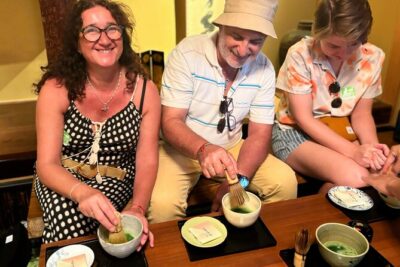
World Heritage Kyoto & Nara Uji Authentic Matcha Experience
Read our review →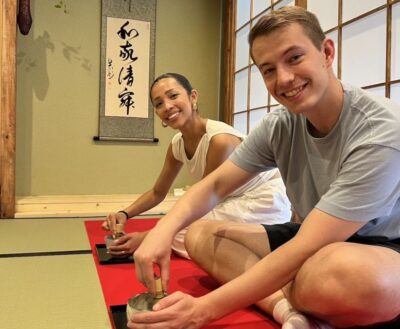
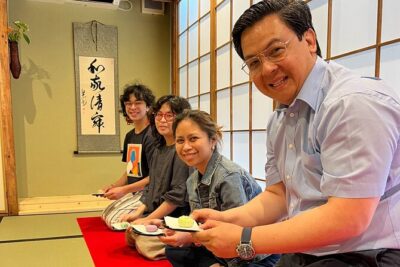
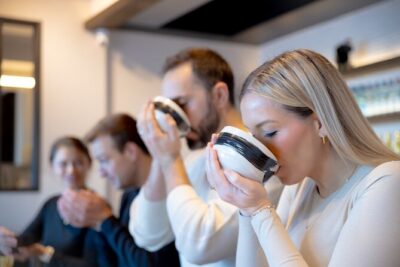
Matcha Making Class in Osaka with Authentic Japanese Sweets Set
Read our review →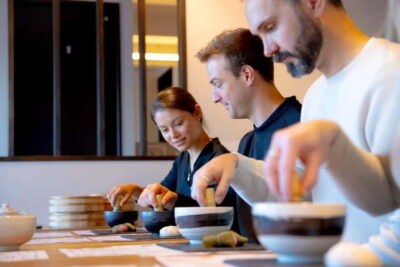
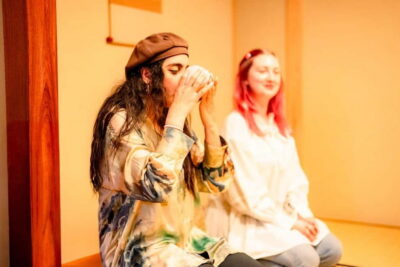
Authentic Tea Ceremony(Max 5 ppl) -Master Matcha Making
Read our review →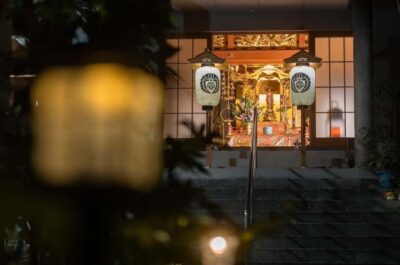
Osaka Temple Cool Foot Bath & Matcha Experience〈45min〉
Read our review →
Samurai Show, Tea Ceremony, Japanese Traditional Activities
Read our review →Browse the lists this tour appears in