
Reviewed · OSAKA COOKING CLASSES
Osaka: Sushi Making in Spacious Studio (SAME-DAY OK!)
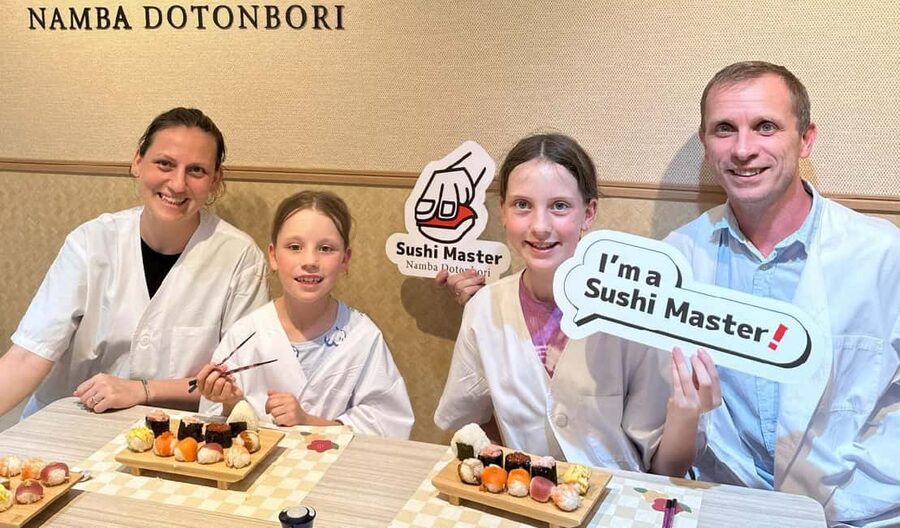
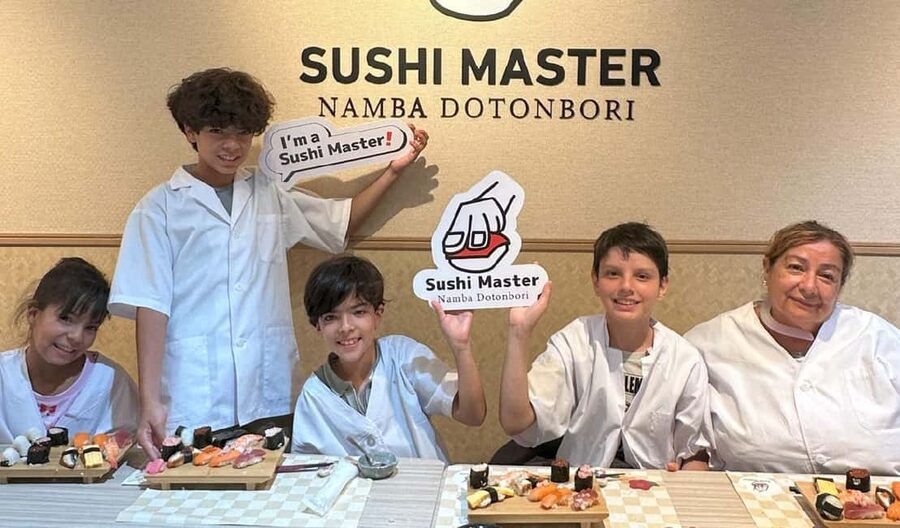
At this Namba sushi class, you make the food you eat: learn the basics, shape your own pieces, then sit down to enjoy them. Instructors including Naho, Aki, and Tsuki teach in English, and the 90-minute session ends with a Sushi Master certificate and a small souvenir.
I like two things in particular: the lesson is hands-on, so you get to practice rather than just watch, and the instructors make room for questions while explaining sushi and Japanese food culture. The class also suits solo visitors, couples, and families, and the studio is a short walk from Namba Station.
One consideration: drinks are not included, and this is a compact introduction, not an advanced cooking course. If you need vegetarian ingredients or have an allergy, contact the studio before class so the team can plan for you.
The useful details at a glance
- Make eight or ten pieces: The standard course includes eight pieces; the premium course includes ten.
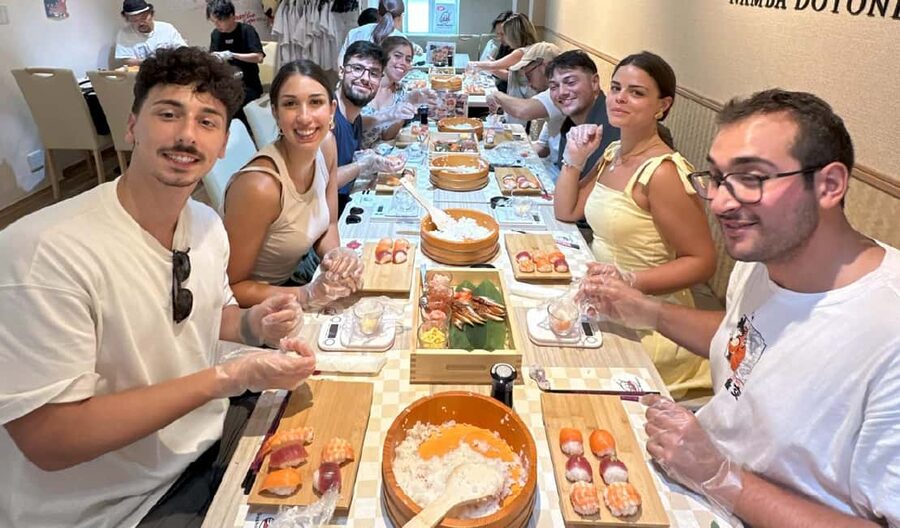
- Practice sushi basics: Expect hands-on work with sushi rice and toppings, with examples including nigiri, gunkan, and temari sushi.
- Learn in English: Instructors speak English and Japanese. Past classes have included a short introductory video and explanations of sushi culture.
- Eat what you make: Sushi ingredients and the meal are included. Soft drinks and alcohol can be ordered separately.
- Leave with a keepsake: You receive a certificate and a small Japanese souvenir.
- Find the studio near Namba: It is about three minutes from Namba Station, on the second floor of a narrow orange-colored building.
A quick route from Namba Station to the sushi studio
The class is in Namba, a practical base for exploring Osaka, and the studio is described as about three minutes from Namba Station. That short walk makes this an easy activity to fit between sightseeing stops or into a rainy afternoon. The meeting directions ask you to search for Sushi Master Namba on Google Maps, but the map pin may be slightly off.
Look for the narrow orange building and head to the second floor. If you have trouble finding it, call the studio at 0664848070. It is worth giving yourself a little extra time rather than arriving flustered and hungry. No hotel pickup or drop-off is provided, so plan to make your own way there.
The location also gives the experience a useful local feel. You are taking a small class in the city, not traveling out to a separate attraction, and Namba Station is close by. That convenience matters when your Osaka schedule is already full.
More cooking classes around Osaka:
- Sushi Making Osaka Roll and Authentic Japanese Sushi Class
★ 5.0 · 1,220 reviews - Osaka Sushi Making Experience
★ 5.0 · 400 reviews - Osaka: Ramen and Gyoza Cooking Class in Dotonbori
★ 5.0 · 378 reviews
A short introduction before you start shaping sushi
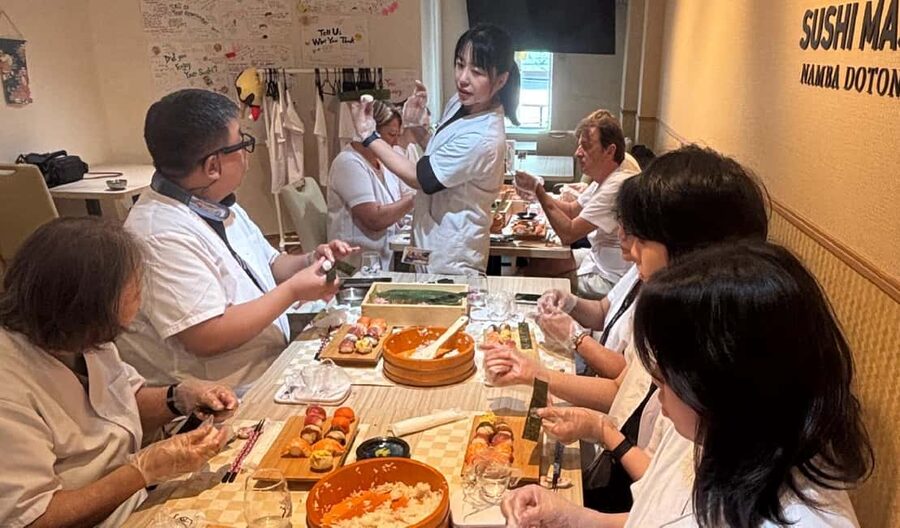
The class begins with a welcome and an introduction to Japanese food culture in English. An introductory video has also been used, giving the lesson a little context before you start handling ingredients. This is a helpful choice for first-timers: the aim is not simply to copy a hand movement, but to understand a few basic ideas behind what you are making.
The instructors are a major part of the experience. Naho, Aki, Tsuki, Seina, and other teachers are named by people who have taken the class. Their teaching is repeatedly described as patient, friendly, and easy to follow. That matters in a hands-on lesson, where a clear demonstration and a bit of encouragement can make the difference between feeling awkward and enjoying the process.
You can ask questions as you go. If you are curious about sushi styles, ingredients, or the steps involved, this format gives you a chance to ask in person rather than simply watch a demonstration. The class is also suitable for solo visitors. You do not need to bring a partner to feel included, and the instructors help create a comfortable setting for people arriving on their own.
Rice, toppings, and the pleasure of making your own pieces
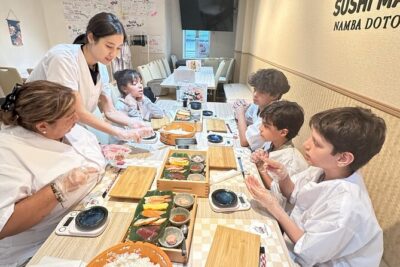
The main event is making sushi under the instructor’s guidance. The course highlights sushi rice as an important part of the lesson, and the class has included basics such as nigiri and gunkan. Temari sushi has also been taught, so the exact styles may vary. You get a practical introduction to shaping and assembling, rather than a long professional course.
There is one small detail worth knowing about the preparation. The ingredients are provided, and one class participant described the rice, fish, egg, and seaweed as already prepared before the hands-on portion began. That suggests you may not be doing every step from scratch. The experience is focused on learning the essentials and assembling sushi with help, not on spending the full session cooking rice or preparing fish.
The piece count depends on which course you choose. The standard option is eight pieces, while the premium option is ten. Either way, the number is useful to know when deciding whether this is a light activity or a meal. The class is designed to finish with you eating your creations, and the amount has been described as satisfying. Still, appetites vary, so do not assume the food will replace every meal of the day.
I like that this is an activity where the result is both a skill and lunch. You will not take the sushi home, but you can carry the memory of making it, plus the certificate and souvenir. If you have only tried sushi at a restaurant, shaping it yourself offers a different appreciation for the care involved in even a simple piece.
Eating your sushi, and deciding whether to order a drink
After making the sushi, you get to eat it at the studio. This is the payoff: you see what your hands have produced, then taste it while the lesson is still fresh in your mind. The ingredients are included, as is the sushi meal you make.
Drinks are extra. Soft drinks and alcohol are available to order during the class, and the experience description mentions enjoying sushi with sake. But sake or any other drink is not included in the price, so budget for it separately if you want one. You can also skip the drink and focus on the food.
The class is smoke-free, and outside food and drinks are not allowed. Those are simple rules, but useful to know if you are planning a longer day around the activity. Arrive ready to eat what you make, and keep snacks or takeaway for later.
More trips and experiences around Osaka:
- Osaka Go Karting Tour with Funny Costume
★ 5.0 · 2,658 reviews - Osaka Castle: Museum and Tower Entry Ticket
★ 4.5 · 2,380 reviews - Osaka: Shinsekai Food Tour with 13-15 Dishes at 5 Eateries
★ 4.8 · 2,204 reviews - Osaka Food Tour: 13 Dishes at 5 Local Eateries
★ 5.0 · 2,149 reviews
Vegetarian requests, allergies, and other practical planning
Vegetarian options are available, but you need to message the studio in advance. The fish toppings can be replaced with vegetable-based ingredients. If you are booking for a mixed group, mention which people need vegetarian food so the team can prepare accordingly.
The same advice applies to allergies. The studio asks you to share allergy information in advance, which is especially important in a class built around food. Do not wait until you are at the table to explain a serious dietary need. The supplied details do not list specific allergy substitutions, so contact the provider directly to confirm what can be accommodated.
The studio welcomes a broad range of participants, including solo visitors, couples, and families. The teaching is in English and Japanese, which makes the class accessible to many international visitors. Since the session lasts 90 minutes, it is also manageable for children or adults who do not want to spend half a day in a cooking class. There is no age information provided, so if you are booking for young children, check directly with the studio first.
Is $25 good value for a 90-minute class?
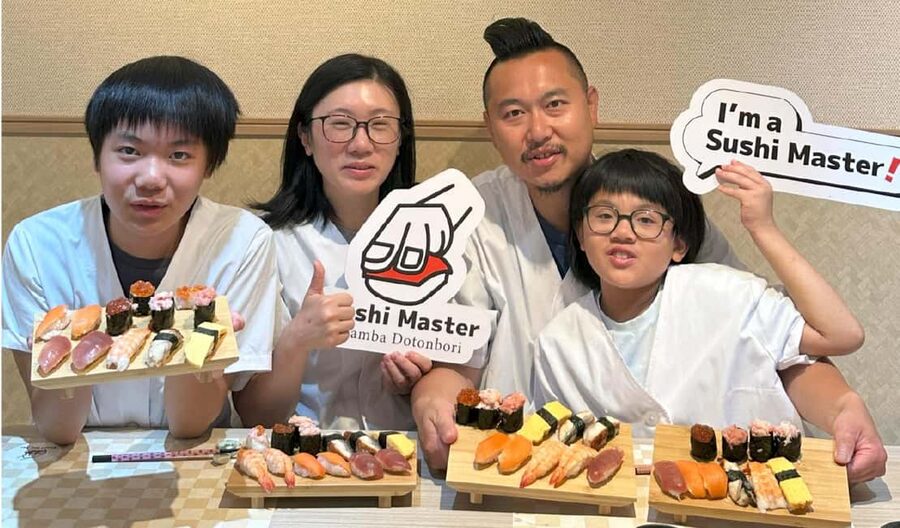
At about $25 per person, the price includes the sushi ingredients, the meal you make, instruction, a certificate, and a small souvenir. That is a fair bundle for an activity that combines a meal with a practical lesson. It is especially good value if you want a shared experience, not just another restaurant stop.
The value depends on what you want. If your priority is to eat the largest possible amount of sushi, a restaurant may be a better choice. Here, some of what you pay for is the instruction and the chance to learn by doing. You leave with a better sense of how sushi is assembled, plus a certificate that makes a cheerful travel keepsake.
The eight-piece standard course should suit most people looking for a taste of the activity. The ten-piece premium option gives you two more pieces, though the supplied details do not explain any other difference between the courses. Check the options when booking rather than assuming the premium course includes extra instruction or special ingredients.
Same-day booking may be possible, which is handy if your plans change or you decide on a food activity at short notice. Check availability before setting your schedule. The experience also offers reserve-now, pay-later booking and free cancellation up to 24 hours in advance, which can help if your Osaka plans are still taking shape.
Who will enjoy this class most?
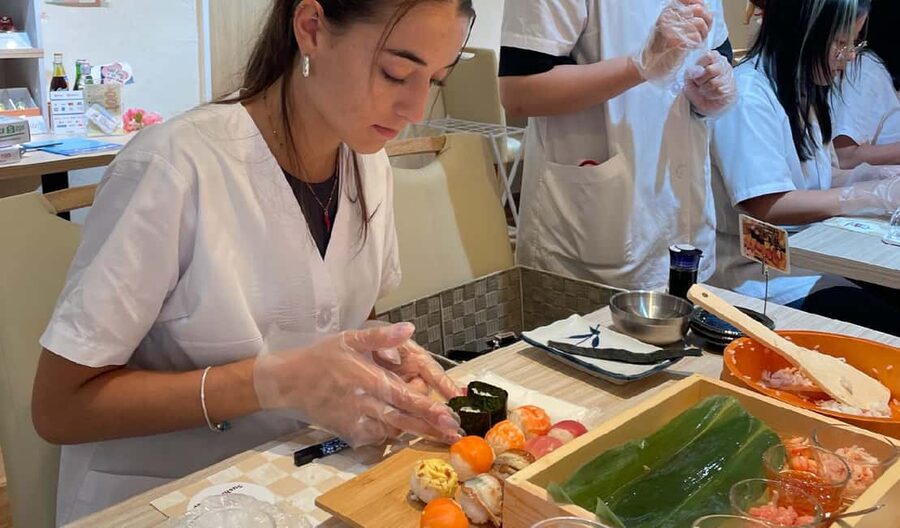
This is a strong choice for first-time sushi makers, curious food lovers, and anyone who wants an activity that is social without requiring a full day. The friendly English-speaking instruction helps keep the process approachable, and the hands-on format gives you something to do at every stage. Families can also consider it, provided they confirm any age questions directly.
Solo visitors have a good reason to book, too. You do not need to arrive with a group, and the instructor helps the session feel welcoming. For couples or families, making food together gives the class a shared focus, and the certificate and souvenir add a small memento without turning the experience into a shopping stop.
You may want to look elsewhere if you are seeking advanced sushi technique, a long culinary workshop, or a drink-inclusive meal. The lesson is a brief introduction, and drinks cost extra. But if you want to learn a few useful basics, eat what you make, and hear about sushi culture from an English-speaking instructor, the format is well judged.
Should you book the Namba sushi class?
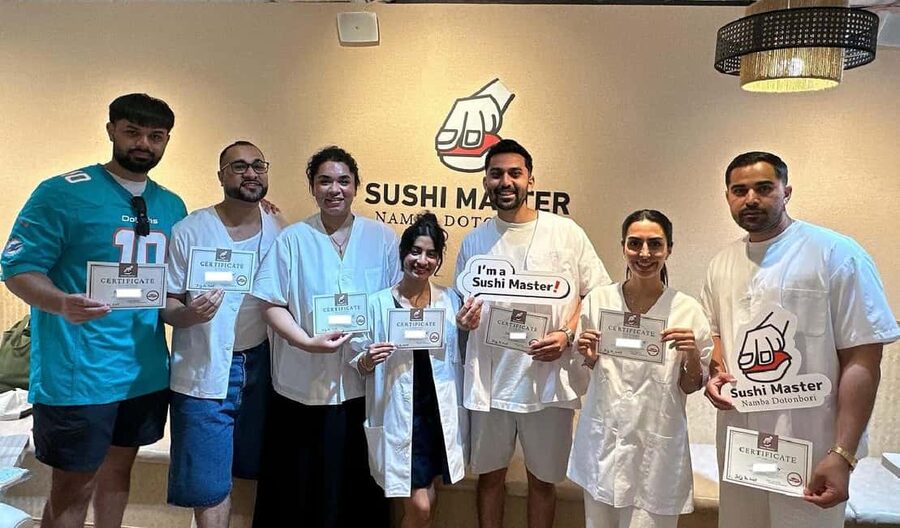
I would book this if you want a practical, low-pressure cultural activity that fits neatly into an Osaka day. Its best features are the patient English-speaking instructors, the chance to make and eat your own sushi, and the reasonable price for a 90-minute class with a take-home certificate and souvenir.
Before booking, choose between eight and ten pieces, send any vegetarian or allergy requests in advance, and allow time to find the orange building near Namba Station. If you want a full cooking course, this is too short. If you want a friendly introduction and a meal you helped create, it is an easy experience to recommend.
FAQ
How long does the sushi-making class last?
The class lasts 90 minutes.
Where is the meeting point?
The studio is on the second floor of a narrow orange-colored building, about three minutes from Namba Station. Search for Sushi Master Namba on Google Maps, but note that the map may be slightly misaligned.
Is the class taught in English?
Yes. Instructors speak English and Japanese.
How many pieces of sushi will I make?
The standard course includes eight pieces, and the premium course includes ten.
Are vegetarian options available?
Yes. Fish toppings can be replaced with vegetable-based ingredients. Message the studio in advance to request this.
Are drinks included?
No. Soft drinks and alcohol can be ordered during the class, but drinks are not included in the price.
What is included in the price?
The price includes sushi ingredients, the sushi you make and eat, a Sushi Master certificate, and a small souvenir.
Just added around Osaka
- Mount Koya from Osaka: Cultural Small Group Day Tour★ 5.0 · 3 reviews
- Matcha Tea Bowl Experience in Osaka★ 5.0 · 11 reviews
- Master Washoku: 5 Core Techniques for Authentic Cooking★ 4.7 · 7 reviews
- Manno: Osaka Premium Wagyu BBQ Experience Reservation★ 5.0 · 4 reviews
- Learning Shodo with a kimono and Trying Samurai Calligraphy★ 4.2 · 7 reviews
- Katsu Curry OR Bento Making Cooking Class & Local Shop Tour★ 4.9 · 11 reviews
- Himeji: Private Guide Tour of the Castle from Osaka or Kyoto★ 4.5 · 7 reviews
- Osaka and Nara Customized Private tour with English Driver★ 4.7 · 4 reviews
Osaka Cooking Classes, compared.
Sushi Making Osaka Roll and Authentic Japanese Sushi Class
Read our review →
Osaka Sushi Making Class – Hands-On Nigiri & Rolls (Same-Day OK)
Read our review →
Osaka Cooking Class: Okonomiyaki &Japanese cuisines experience
Read our review →
Roll and Authentic Sushi Making Class in Dotonbori
Read our review →
Browse the lists this tour appears in