
Reviewed · OSAKA COOKING CLASSES
Osaka: Cooking Class & Sake Tasting with Local Market Visit
Osaka’s food culture comes into focus when you make its everyday favorites yourself. This four-hour class starts at a local supermarket, then moves to a cooking studio for niku-sui beef soup, okonomiyaki savory pancakes, and gyoza dumplings. It’s a good way to learn dishes you can try again at home, not just eat once and forget.
I like the small group, capped at seven, which gives you room to ask questions and work at your own pace. I also like that you shop for ingredients before cooking, then get recipes to take home. The main consideration is dietary: there are no gluten-free options, and allergies cannot be guaranteed safe.
What to know before you book
- Three Osaka dishes, one class: Make niku-sui, okonomiyaki, and gyoza, with a guide walking you through each recipe.
- A supermarket stop comes first: Pick up ingredients and get a glimpse of the kind of shopping locals do.
- Three canned drinks are included: Choose alcoholic or non-alcoholic drinks, with tea also served during the experience.
- Guides bring more than cooking tips: Chie has shared Japanese history and product knowledge, while Eri has helped connect recipes to local culture and answered questions about Osaka.
- Recipes and photos come afterward: You can download the recipes and receive tour photos from your guide by email.
- Plan for the practical limits: The class is for people over 12, starts on time, and may not suit anyone with mobility difficulties.
Start with a neighborhood supermarket
The class begins outside a FamilyMart, a one-minute walk from Minami Morimachi Station’s Exit 4B. From there, your guide takes you to a local supermarket to buy the ingredients for the meal. It is a small but worthwhile part of the outing: instead of arriving at a set table with everything hidden in the kitchen, you get to see the food before it becomes lunch.
A supermarket visit also gives the guide a natural way to explain Japanese ingredients and products. You can ask questions as you look around, and the shopping offers a practical look at ordinary food routines in Osaka. It is not a long market tour or a cooking demonstration at a stall. Think of it as a short local errand that sets up the hands-on part.
The exact products will depend on what the recipes call for, and the class information does not promise a particular market or ingredient display. Still, the stop adds context you would miss if you went straight to the studio. If you enjoy seeing how a dish starts, rather than only learning how it ends, this is one of the class’s more useful details.
Be on time at the meeting point. The class starts promptly, and late arrivals cannot join, reschedule, or receive a refund. That rule is strict, so give yourself extra time to find the station exit and the FamilyMart.
More sake tastings around Osaka:
- Osaka Sake Tasting with Takoyaki Cooking
★ 5.0 · 156 reviews - Osaka Sake Tasting & Takoyaki Cooking Experience
★ 5.0 · 149 reviews - Osaka Cooking Class and Sake Tasting with Local Supermarket Visit
★ 5.0 · 79 reviews
Make three Osaka favorites at the studio
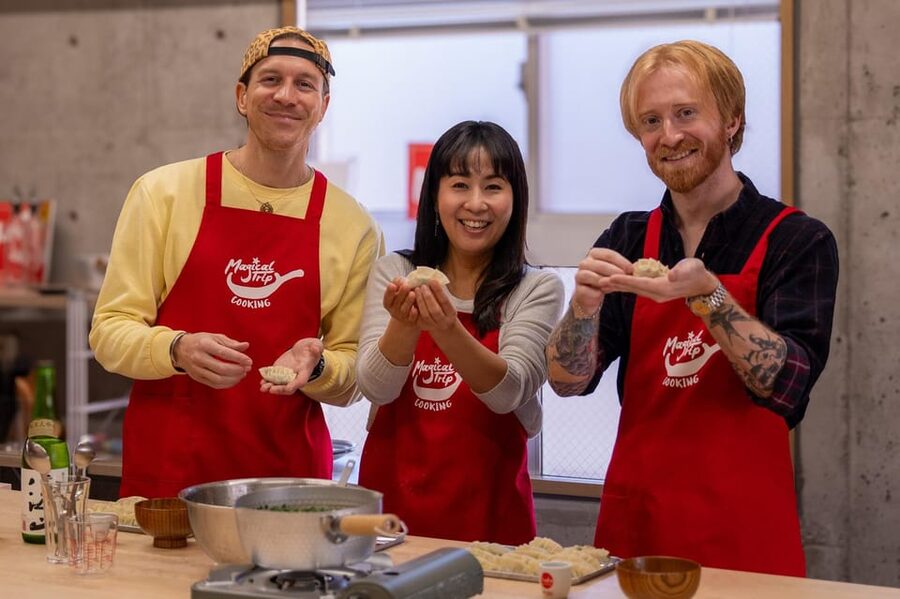
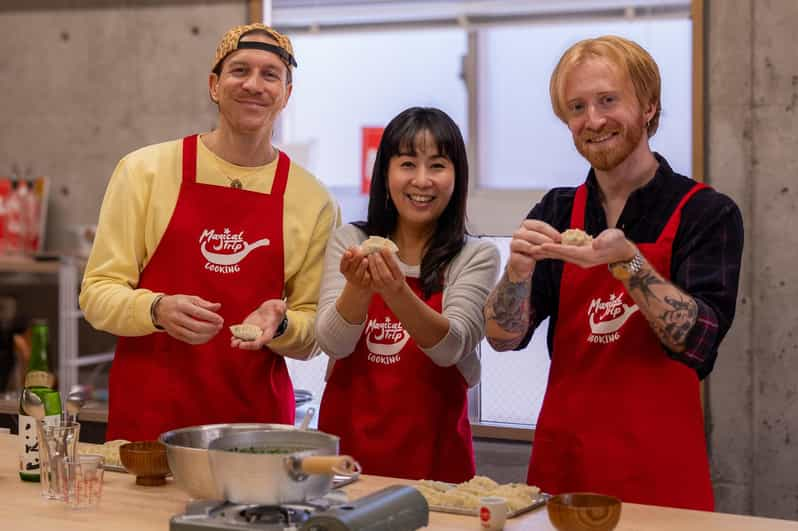
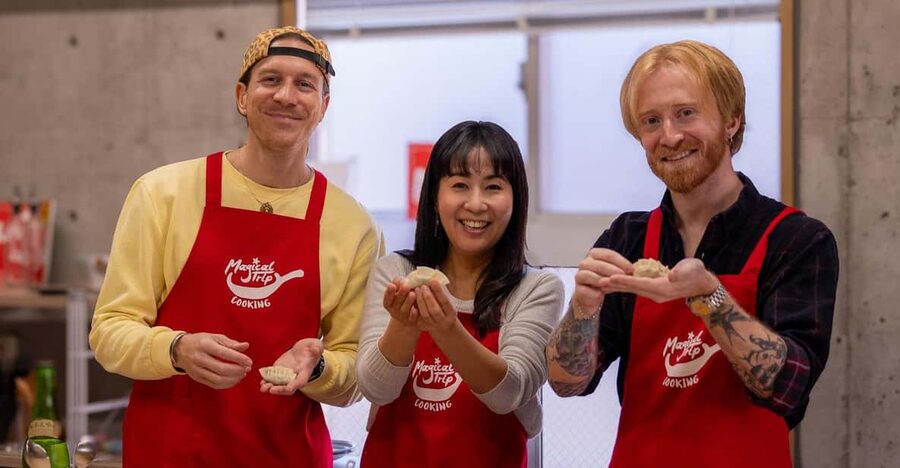
After shopping, you return to MagicalTrip’s Original Cooking Studio. The setting is described as relaxed and welcoming, with an English-speaking local guide leading each step. You do not need prior cooking experience. The recipes are designed to be manageable for beginners, and the guide explains the process as you go.
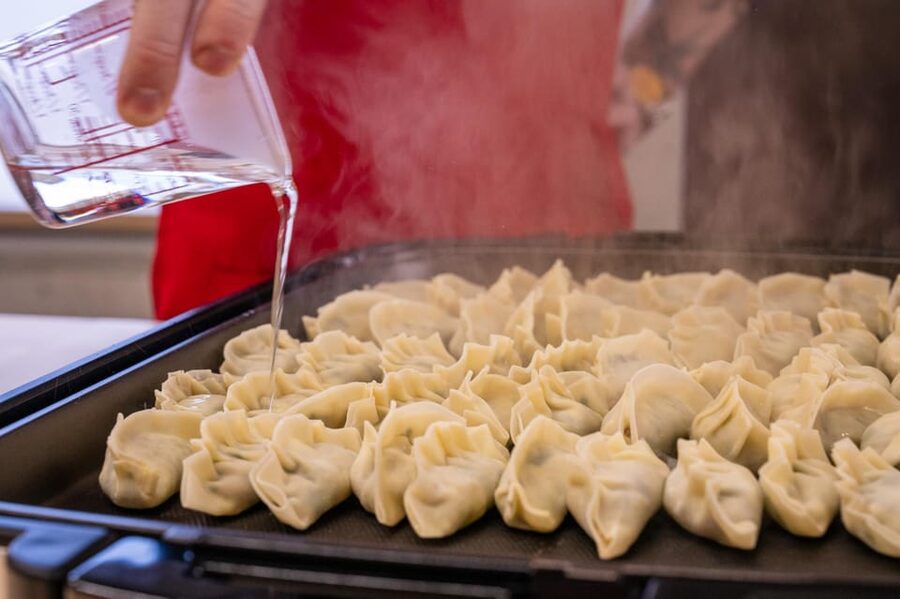
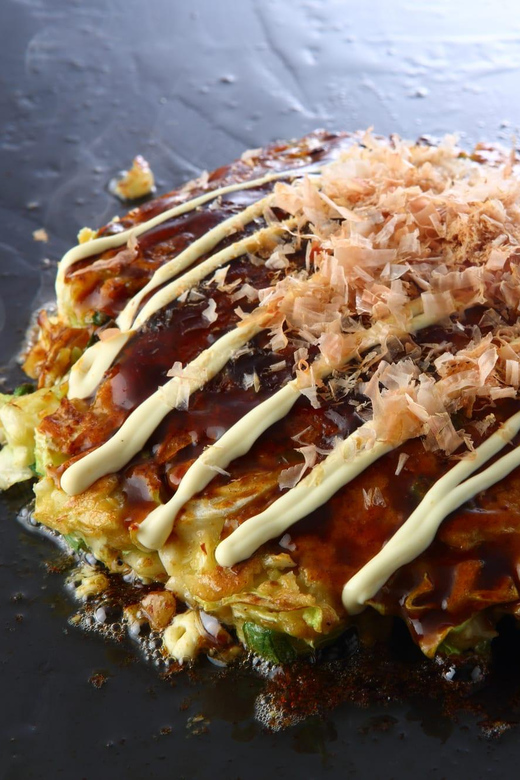
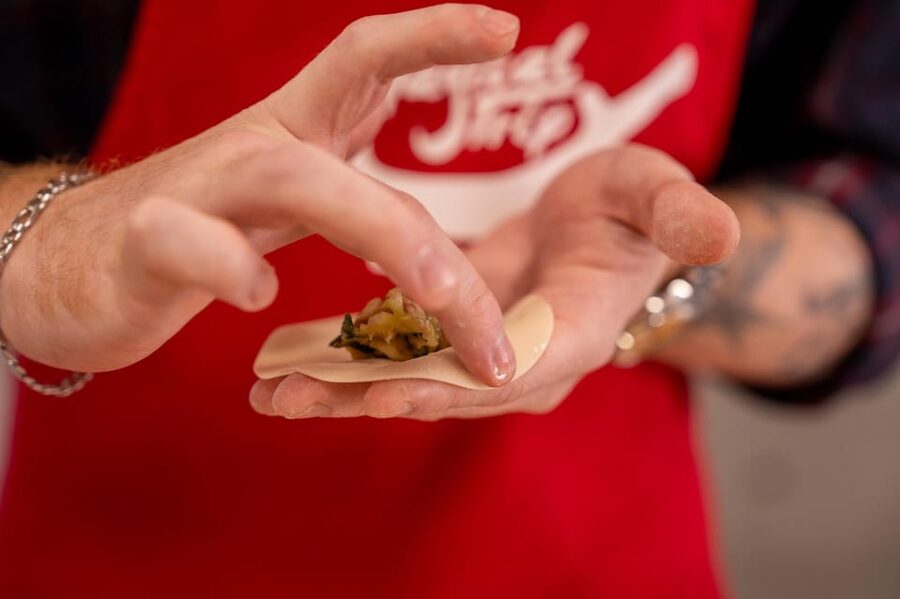
The menu brings together three dishes with different personalities. Niku-sui is a warming beef soup associated with Osaka. Okonomiyaki is a savory pancake with plenty of room for personal variation. Gyoza add a hands-on task: folding the dumplings is part of the fun, and it gives the group a shared project beyond chopping and stirring.
You prepare each dish under the guide’s direction, then sit down to eat the meal you have made. The included lunch matters when weighing the price: this is not just a short lesson with a small tasting at the end. The listed menu is substantial, and one participant described having plenty of food across the three dishes. Arrive hungry, but do not expect a restaurant-style menu where you select each course.
The pace should suit a mixed group. Some people may already cook Japanese food, while others may be handling gyoza wrappers for the first time. The guide is there to make the steps clear, not to test your technique. If you like learning by doing, rather than watching a chef work from across a counter, this format is a strong fit.
What you can take home beyond lunch
The recipes are designed to use simple ingredients and be practical to recreate outside Japan. That is a real advantage over a cooking class built around hard-to-find specialty items. You can download the recipes afterward, so you are not relying on memory when you want to make the dishes for friends or family.
The three dishes also give you different skills to carry home. Niku-sui introduces a local soup, okonomiyaki lets you experiment with a familiar, flexible format, and gyoza teaches a repeatable folding task. You will not leave as a professional cook, but you should have a clearer sense of how the food is put together and what to do next in your own kitchen.
For practical planning, the class does not state that every ingredient will be available in every country. You may need to adapt to what you can find at home. Still, the promise of simple ingredients makes these recipes more useful than a lesson that depends on a long list of unusual products.
Drinks, conversation, and a local guide
Three canned drinks are included, and you can choose alcoholic or non-alcoholic options. Tea is also served during the experience. This is a nice balance: you can sample a drink with your meal without needing to arrange a separate tasting, and you are not obliged to drink alcohol to take part.
The class is as social as you make it. With a maximum of seven participants, the group is small enough to chat while cooking, but it is still a shared activity, not a private lesson. Solo visitors, couples, friends, and families with older children can all fit the format. The stated minimum age is 12 because the class involves knives and heat.
The English-speaking guides are part of the appeal. Chie has brought Japanese history and product knowledge into the cooking session, and Eri has answered questions about local culture while helping participants through the recipes. Other guides who have led the class include Emi, Ayu, Akko, and Linda. The guide you meet will vary, so treat those names as examples rather than a promise.
A few personal touches have appeared in the experience, too. Linda once decorated the room for Christmas, and one group went with her to buy sake. Those details show the class can feel warm and flexible, but they are not guaranteed parts of the standard itinerary. Book for the supermarket visit, cooking, meal, drinks, and local conversation; take any extra outing or seasonal touch as a bonus.
More cooking classes around Osaka:
- Sushi Making Osaka Roll and Authentic Japanese Sushi Class
★ 5.0 · 1,220 reviews - Osaka Sushi Making Experience
★ 5.0 · 400 reviews - Osaka: Ramen and Gyoza Cooking Class in Dotonbori
★ 5.0 · 378 reviews - Osaka Sushi Making Class – Hands-On Nigiri & Rolls (Same-Day OK)
★ 5.0 · 352 reviews
Is $90 fair value for four hours?
At $90 per person, this is not the cheapest way to have lunch in Osaka. But lunch alone is not what you are paying for. The fee covers four hours with an English-speaking guide, a supermarket visit, ingredients, the cooking session, the meal, three canned drinks, tea, and photos sent afterward. You also get recipes you can use again.
The value depends on what you want from your time. If your priority is a quick, low-cost meal, you can find better value by eating at a restaurant. If you want a guided activity that combines food, a bit of local shopping, conversation, and a practical skill, the price is easier to justify. A group limit of seven helps keep the session personal without the cost of booking a private class.
The class also makes good use of a half-day. You do not need to plan several separate stops or arrange ingredients yourself, and the guide connects the shopping trip to the cooking. For someone who likes food but does not want a formal lecture, this mix is well judged.
Dietary needs, mobility, and timing
Vegans and vegetarians are welcome, but the menu and substitutions should be discussed in advance. Contact the provider about dietary needs or allergies at least one day before the class. Same-day requests cannot be accommodated, and the provider cannot guarantee allergy-free meals because food is prepared in external kitchens. Substitutions may not always be possible, though the team may try to compensate at other stops.
Gluten-free options are unavailable, so this class is not a safe choice if you need a gluten-free meal. If you have a serious allergy, ask detailed questions before booking rather than assuming an ingredient can be removed.
The route may include places that are not accessible by wheelchair or stroller, and the activity is not recommended for people with mobility issues. A private tour is suggested for anyone with walking difficulties. The experience runs in a climate that can range from summer highs of 40°C (110°F) to winter lows of -5°C (20°F), so dress for the season and the walk to the studio.
You can cancel up to 24 hours in advance for a full refund, and a reserve-now, pay-later option is available. Check the available start times before choosing a date. The advertised rating is 4.8 from 31 reviews, a positive sign, though the practical details above matter more if you have dietary or access needs.
Who will enjoy this cooking class?
I would choose this class if you want to understand Osaka through its food and prefer participation to a passive tasting. It is especially useful if you enjoy cooking, want to ask a local guide questions, or like bringing home something more practical than souvenirs. The recipes and the supermarket stop make the experience feel connected to daily food habits, while the shared meal keeps it relaxed.
It also works well for a mixed-ability cooking group. You do not need experience, and the instructor guides each step. Families should note the minimum age of 12, and groups with young children will need another activity. If you are traveling alone, the small group and shared cooking provide easy openings for conversation.
Consider another option if you need gluten-free food, require guaranteed allergy controls, or have trouble walking. The class is not designed as a private, fully customizable meal, and no cooking experience can remove those limits. If those are not concerns, the format offers a satisfying balance of instruction, local context, food, and fun.
Should you book it?
Book this class if you want to make Osaka dishes with a local guide, eat what you cook, and take recipes home to use again. The supermarket visit and small group make it more personal than a simple demonstration, and the three-dish menu gives you a useful taste of local cooking.
Skip it if your main goal is a cheap lunch, you need gluten-free food, or you cannot manage a walk and a hands-on kitchen session. For everyone else, $90 buys a well-filled four hours and a skill you can revisit long after the trip.
FAQ
How long is the cooking class?
The experience lasts four hours, including the supermarket visit and cooking session.
Where is the meeting point?
Meet in front of the FamilyMart one minute from Exit 4B of Minami Morimachi Station.
Which dishes will I make?
The class includes niku-sui beef soup, okonomiyaki, and gyoza.
Are drinks included?
Yes. Three canned drinks are included, and you can choose alcoholic or non-alcoholic options. Tea is also served.
Do I need cooking experience?
No. The guide explains each step, and the recipes are designed to be easy to follow.
Can vegans and vegetarians join?
Yes. Vegans and vegetarians are welcome. Tell the provider about dietary needs at least one day ahead, as same-day requests cannot be accommodated.
Are gluten-free meals available?
No. Gluten-free options are not available, and allergy-free meals cannot be guaranteed.
Can children take part?
The minimum age is 12 because the class involves cutting and heating.
More food and drink stops around Osaka
- Osaka: Shinsekai Food Tour with 13-15 Dishes at 5 Eateries
★ 4.8 · 2,204 reviews - Osaka Food Tour: 13 Dishes at 5 Local Eateries
★ 5.0 · 2,149 reviews - Hungry Osaka Street Food Tour:15 Tastings & 3 Drinks with a Local
★ 5.0 · 1,727 reviews - Hungry Osaka Street Food Tour: 15 Dishes & 3 Drinks
★ 4.9 · 694 reviews
More drinking tours around Osaka
- Osaka Bar Hopping Night Walking Tour in Namba (3 bars, 6 tastes)
★ 5.0 · 958 reviews - Osaka: Namba Pub Bar Crawl with a Local Guide
★ 4.9 · 424 reviews - Osaka: Izakaya Bars Guided Walking Tour
★ 4.9 · 385 reviews - Osaka Pub Crawl and Nightlife Tour
★ 5.0 · 293 reviews
Just added around Osaka
- Mount Koya from Osaka: Cultural Small Group Day Tour★ 5.0 · 3 reviews
- Matcha Tea Bowl Experience in Osaka★ 5.0 · 11 reviews
- Master Washoku: 5 Core Techniques for Authentic Cooking★ 4.7 · 7 reviews
- Manno: Osaka Premium Wagyu BBQ Experience Reservation★ 5.0 · 4 reviews
- Learning Shodo with a kimono and Trying Samurai Calligraphy★ 4.2 · 7 reviews
- Katsu Curry OR Bento Making Cooking Class & Local Shop Tour★ 4.9 · 11 reviews
- Himeji: Private Guide Tour of the Castle from Osaka or Kyoto★ 4.5 · 7 reviews
- Osaka and Nara Customized Private tour with English Driver★ 4.7 · 4 reviews
Osaka Cooking Classes, compared.
Sushi Making Osaka Roll and Authentic Japanese Sushi Class
Read our review →
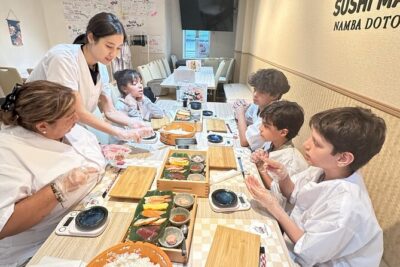
Osaka Sushi Making Class – Hands-On Nigiri & Rolls (Same-Day OK)
Read our review →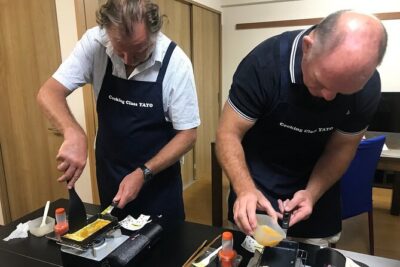
Osaka Cooking Class: Okonomiyaki &Japanese cuisines experience
Read our review →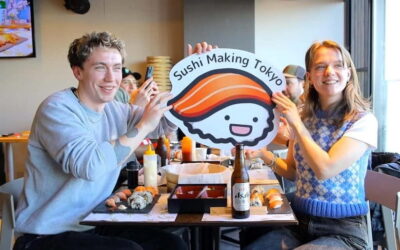
Roll and Authentic Sushi Making Class in Dotonbori
Read our review →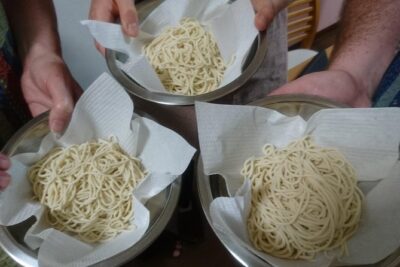
Browse the lists this tour appears in