
Reviewed · OSAKA CRAFT WORKSHOPS
Osaka: Kendo Workshop Experience
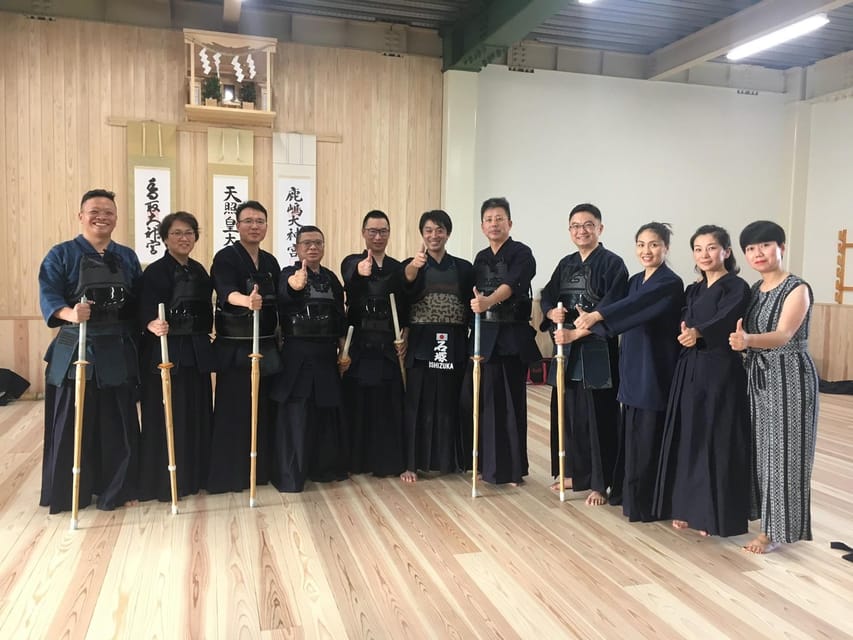
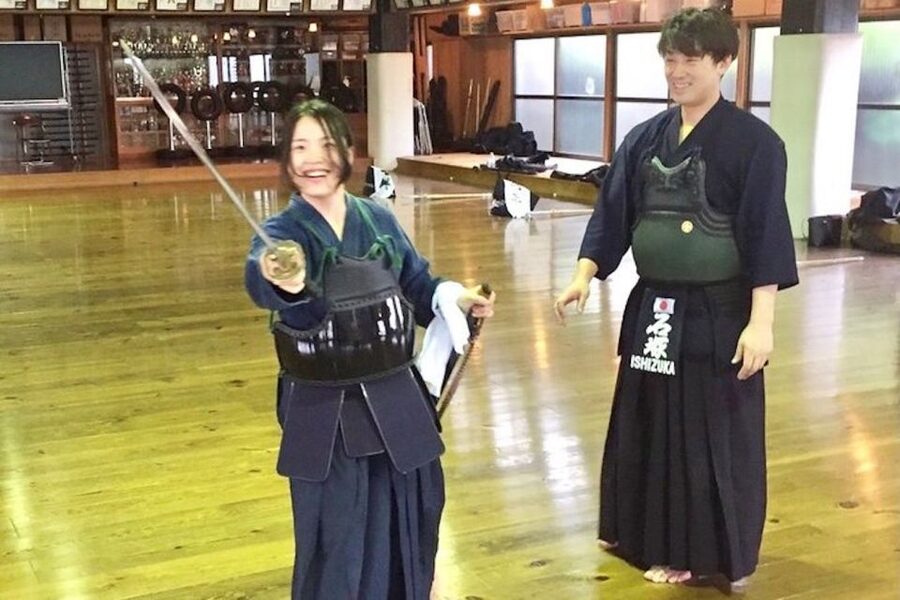
Kendo here is more than a quick samurai photo opportunity. You change into practice gear, learn dojo etiquette and basic technique, then take up a bamboo sword and work through strikes with an instructor. The session ends with a match-style mini-game and a close-up demonstration by high-level instructors.
I like two things in particular: you learn the rituals as well as the physical moves, and the small-group format, limited to two participants, gives you room for close instruction. The bamboo swords, sharp calls, and quiet dojo make the practice feel rooted in kendo, not just dressed up for a snapshot.
The main consideration is the price: at $116 per person, this is a short, specialized activity, not a budget attraction. Two hours also means you’ll get an introduction rather than mastery, and the physical practice is not suitable for everyone.
- Start with etiquette: Change clothes and learn the manners that shape kendo practice before picking up a sword.
- Practice the basics: An instructor guides your posture and strikes, then gives you a chance to hit with a bamboo sword.
- Wear the men: Try the protective face gear before practicing strikes again and taking part in a mini-game.
- Watch skilled technique: National-level instructors demonstrate moves at close range.
- Keep the memory: A Japanese hand towel is provided for wearing with the face protector, and you can take photos at the end.
Kendo begins with manners, not swordplay
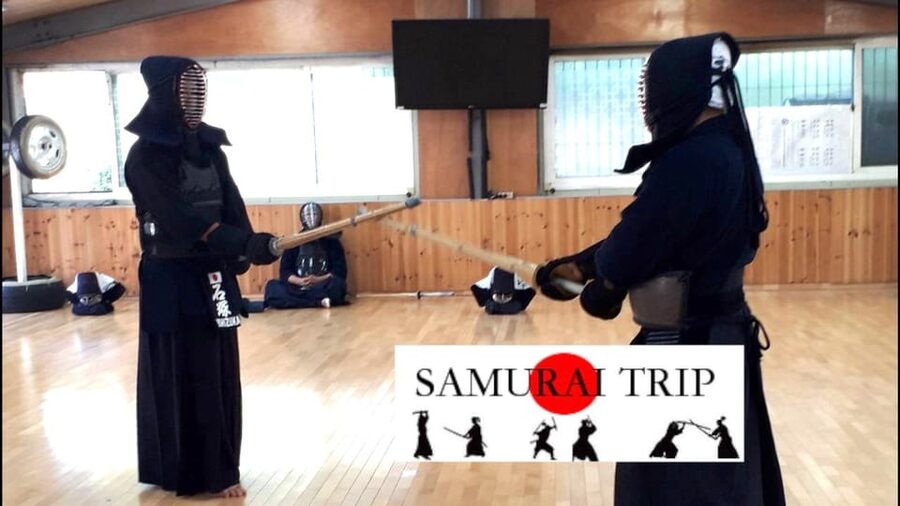
The first lesson is that kendo is not simply a matter of swinging a bamboo sword. The session starts with changing clothes and an introduction to etiquette, which gives you a feel for the discipline and respect built into practice. That context helps the rest of the activity make sense: a bow, a stance, and the way you address your instructor all belong to the training.
You are not expected to arrive with martial arts experience. The instructors teach the course step by step, and the program is designed so a beginner can take part safely. That matters in a sport where even a basic strike has a formal shape and timing. Instead of being handed equipment and left to copy someone, you get a guided introduction to what you are doing and why.
English and Japanese are the listed teaching languages. If you are more comfortable in English, that option should make the instructions easier to follow, especially when learning the etiquette and the sequence of a strike. Yamasaki sensei is one instructor associated with the experience, though the instructor for any particular session may vary.
Bamboo swords turn instruction into practice
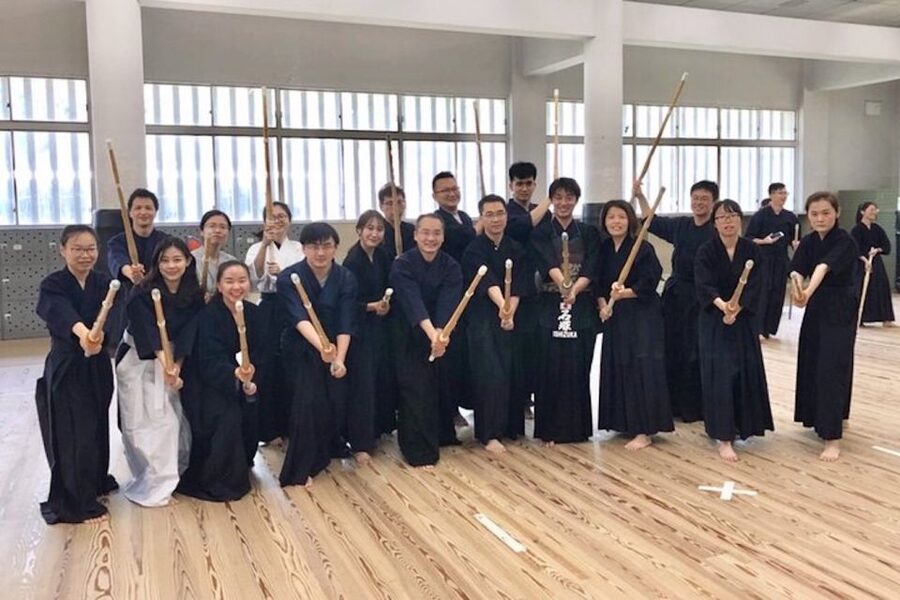
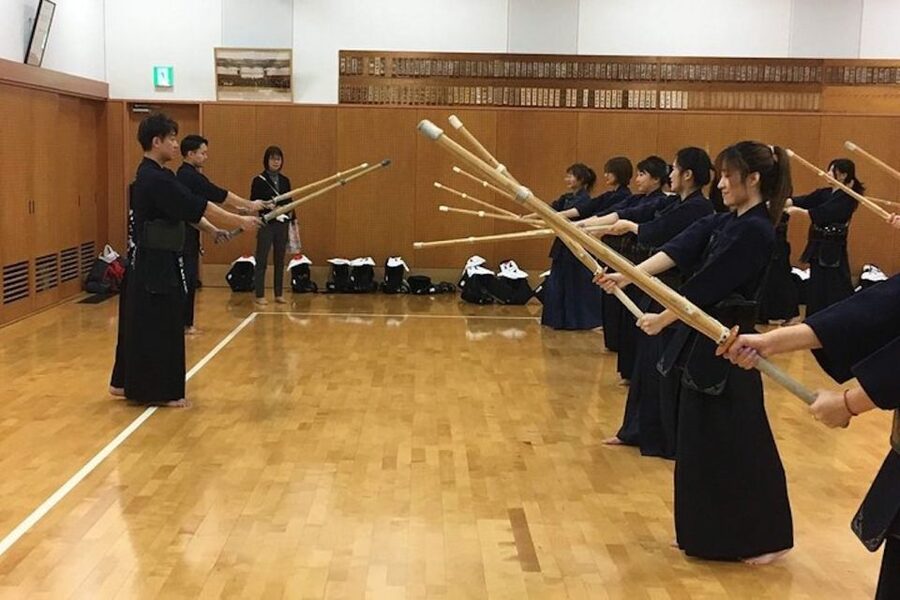
After the introduction, you move on to basic kendo technique and practice hitting with a bamboo sword. This is where the session shifts from explanation to action. You’ll learn how to hold and use the sword, then try strikes under an instructor’s eye. One participant described the instruction as precise, with close attention to posture; that kind of correction is useful when you are new and don’t yet know what a sound movement should feel like.
The bamboo sword, known as a shinai, makes the practice tangible. The sound of swords meeting, the calls across the dojo, and the rhythm of a drill are a far cry from watching a martial arts demonstration on a screen. The activity’s appeal lies partly in those sensory details. You are not just hearing about kendo culture; you are taking part in a simplified version of training.
There is also a practical limit to what two hours can teach. You can get an introduction to technique and etiquette, but not the depth that comes with regular practice. Think of this as a first lesson and a chance to feel the discipline in your body, rather than a qualification or a complete course.
More craft workshops around Osaka:
- Osaka: Private Japanese Calligraphy Experience
★ 5.0 · 66 reviews - Calligraphy Workshop in Namba, Dotonbori
★ 5.0 · 57 reviews - Learning Zen of Japanese Calligraphy in kimono near Osaka Castle
★ 4.5 · 53 reviews
Putting on the men changes the feel of the session
A later stage introduces the men, the protective face equipment worn in kendo. Participants receive a special Japanese hand towel to use when putting on the face protector. That small, thoughtful detail gives you a functional keepsake, not just a souvenir to tuck into a bag.
With the men on, you return to striking practice, this time hitting toward the instructor. Protective equipment makes the activity possible for beginners, while experienced instructors supervise the session. It is still a physical martial art, so follow directions carefully and tell the instructor if something feels uncomfortable. The activity is not suitable for people with mobility impairments or wheelchair users, and it excludes pregnant participants and children under nine.
Wearing the face protection also changes how the practice feels. Your view and sense of sound may be different, and you have to rely on the instruction and the movement you have just learned. That is part of the experience: kendo is not only about making contact, but about combining technique, focus, and control.
The mini-game puts your new skills to work
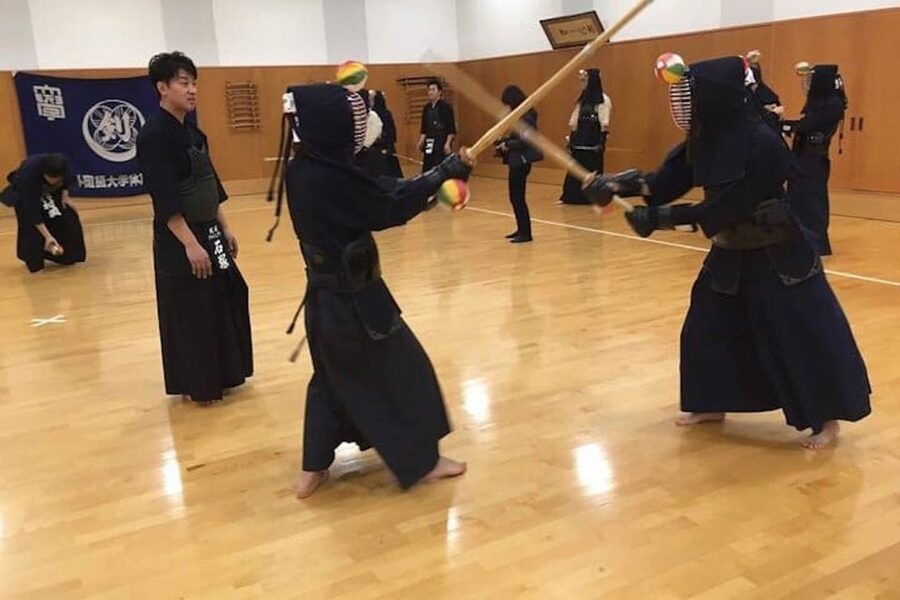
Once you have practiced the basic strikes, the session includes a match-style mini-game. It gives you a chance to use what you have just learned in a more active setting, without suggesting that a beginner is suddenly ready for a full bout. The instructors are there to guide the exercise, and the activity is described as something beginners can do.
This is likely to be the liveliest part of the session. You have moved beyond copying a single motion and must pay attention to what is happening in front of you. If you enjoy trying a skill rather than only watching a demonstration, the mini-game is a useful payoff for the earlier instruction.
Keep expectations sensible. It is a short, introductory activity, not an unsupervised contest. The point is to experience the feel of a match and put the basics into practice, not to prove you are a samurai before lunch.
A close-up demonstration adds context
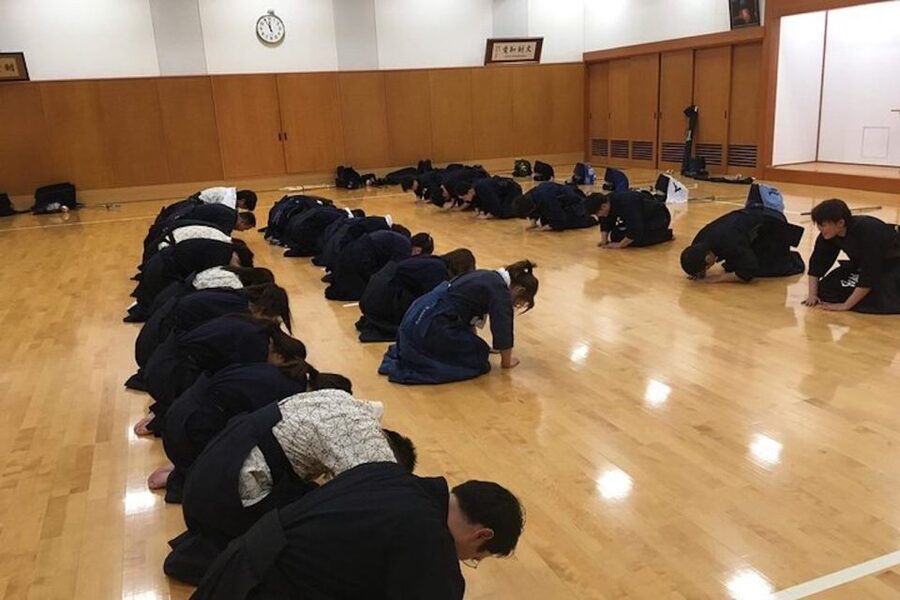
The practical training is followed by demonstrations from national-level instructors. Seeing skilled practitioners up close gives you a clearer idea of what the techniques can look like when performed with speed and precision. It also makes the beginner lesson easier to place: you have tried the foundations, then you see how much control and experience lie beyond them.
This is one of the session’s strongest contrasts. First, you work through a basic strike at your own pace. Then you watch instructors show the art at a much higher level. That difference can make the demonstration more engaging than a performance viewed without context. You know enough to notice that kendo involves more than a dramatic swing.
The program closes with etiquette and time for photographs. You can take a picture to remember the session, then change back into your clothes. The ending is straightforward and does not add a meal or a visit elsewhere to the two-hour activity.
More hands-on workshops around Osaka:
- Sushi Making Osaka Roll and Authentic Japanese Sushi Class
★ 5.0 · 1,220 reviews - Matcha Making Class in Osaka with Authentic Japanese Sweets Set
★ 5.0 · 509 reviews - Osaka: Ramen and Gyoza Cooking Class in Dotonbori
★ 5.0 · 378 reviews - Osaka Sushi Making Class – Hands-On Nigiri & Rolls (Same-Day OK)
★ 5.0 · 352 reviews
A small group makes the $116 price easier to judge
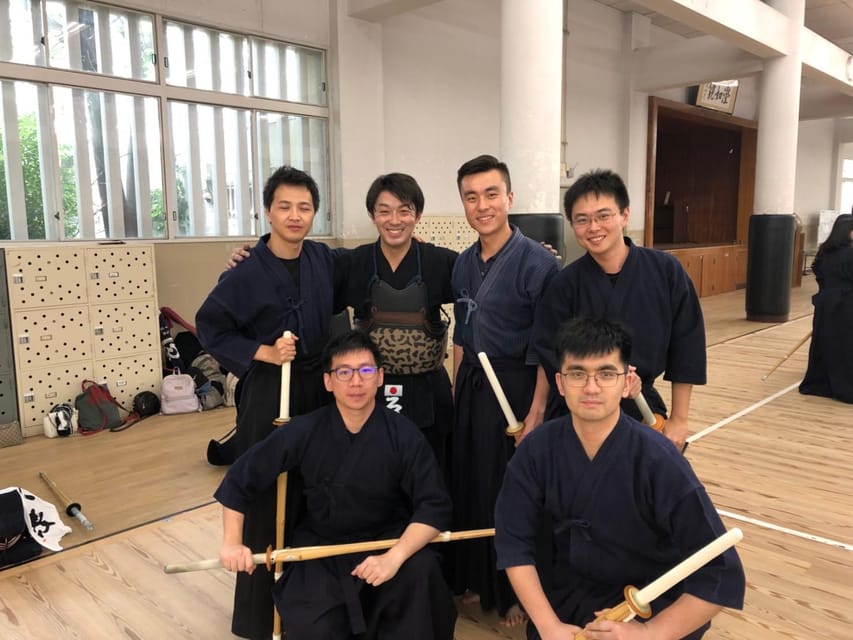
At $116 per person, this is a costly two-hour activity compared with a museum visit or a casual cultural demonstration. The value depends on what you want from it. The price includes a professional guide or instructor, rental kendo armor and equipment, mineral water, and the hand towel. You also get instruction, practice, a mini-game, a demonstration, and a small-group setting limited to two participants.
That format is a real advantage if personal attention matters to you. A large class can make a new physical skill harder to learn, while a group capped at two leaves more scope for the instructor to watch your form and offer corrections. The listed guidance is in English and Japanese, which helps make the activity accessible to people who do not speak Japanese.
Still, the price will feel steep if you mainly want a quick costume photo or a general introduction to Japanese history. The value is stronger if you want to participate, handle the equipment, and get direct instruction in a martial art. Food is not included, and neither is hotel pickup or drop-off, so allow for your own transport and meal plans.
The meeting point is Shigino Kaikan Hall, written 鴫野会館 in Japanese. Check the exact starting time when you book, as availability determines the session time. The activity lasts two hours. It is basically intended for two people or more, so check the group arrangement if you are booking alone.
Make room for an izakaya afterward
The experience itself does not include food, but the organizer suggests going to a Japanese izakaya afterward. A special samurai meal is mentioned as a possible menu item. Treat that as an idea for your evening rather than part of the booking: food is not included, and the activity does not promise a restaurant reservation or a meal.
Pairing training with a casual meal can make a satisfying Osaka outing. You’ll leave with a sense of the etiquette and exertion involved in kendo, then have time to talk over the session over dinner. If that plan appeals, arrange the restaurant separately and confirm what is available when you get there.
Who will enjoy this dojo session most
I would recommend this experience to curious adults who want more than a demonstration and are happy to learn through movement. It suits first-timers as well as people who have tried kendo before, since the session covers fundamentals and offers a chance to practice with an instructor. The close guidance and small group are especially appealing if you want your technique watched rather than simply following along in a crowd.
It is less suited to anyone looking for a long training course, a purely historical talk, or a low-cost activity. The two-hour format is an introduction, and the price reflects the equipment and individual attention as much as the length. It is also not suitable for children under nine, pregnant women, people with mobility impairments, or wheelchair users.
The session does not allow pets, alcohol, or drugs. Free cancellation is available up to 24 hours in advance for a full refund, and the reserve-now, pay-later option lets you book without paying immediately. Those terms can help with planning, but the main decision is whether you want to spend two hours actively practicing a martial art.
Should you book the Osaka kendo workshop?
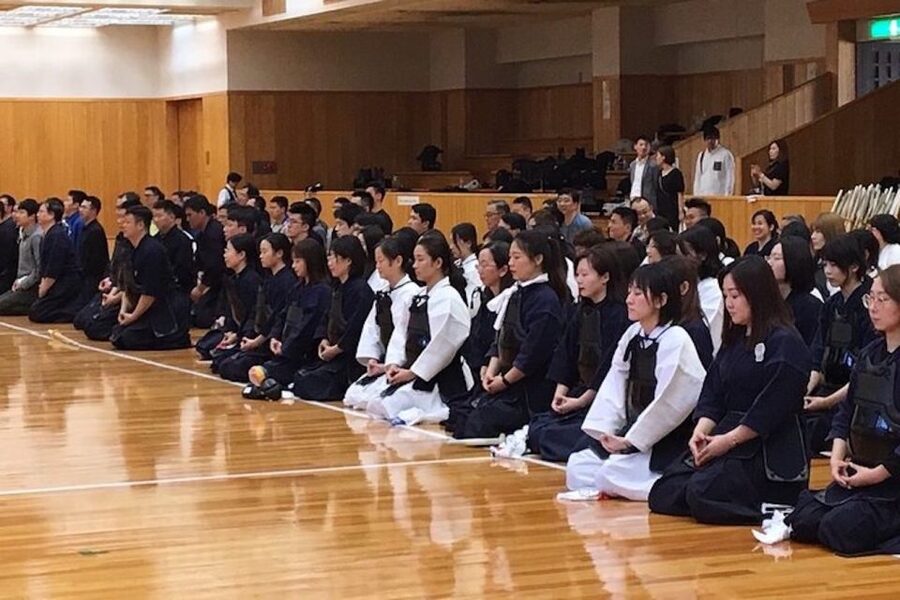
Book it if you want to understand kendo by trying it: learning the manners, handling the bamboo sword, wearing the men, and testing your new skills in a mini-game. The demonstration and small group add substance to the experience, while the towel and photos give you a modest keepsake.
Skip it if you mainly want a samurai costume session, need an activity that requires little physical participation, or are watching every dollar. At $116, this is best treated as a focused cultural lesson with real practice, not a cheap stop between bigger attractions. For the right person, the chance to hear the bamboo swords clash in a dojo and learn under an instructor’s eye makes the two hours feel distinctively Osaka.
FAQ
How long does the kendo workshop last?
The experience lasts two hours.
Where does the activity meet?
The meeting point is Shigino Kaikan Hall, 鴫野会館.
What languages are available?
Instruction is available in English and Japanese.
Is kendo experience required?
No prior experience is stated as a requirement. The program teaches the course from etiquette and basic instruction through practice, and is designed for beginners to participate safely.
What equipment is included?
Kendo armor and equipment are rented for the session. Mineral water and a Japanese hand towel are also included.
Is food included?
No. Food is not included, and hotel pickup and drop-off are also not included.
How many people are in the group?
The activity is limited to two participants. The information also says it is basically for two people or more.
Who cannot take part?
The activity is not suitable for children under nine, pregnant women, people with mobility impairments, or wheelchair users.
What is the cancellation policy?
You can cancel up to 24 hours in advance for a full refund. A reserve-now, pay-later option is available.
Just added around Osaka
- Mount Koya from Osaka: Cultural Small Group Day Tour★ 5.0 · 3 reviews
- Matcha Tea Bowl Experience in Osaka★ 5.0 · 11 reviews
- Master Washoku: 5 Core Techniques for Authentic Cooking★ 4.7 · 7 reviews
- Manno: Osaka Premium Wagyu BBQ Experience Reservation★ 5.0 · 4 reviews
- Learning Shodo with a kimono and Trying Samurai Calligraphy★ 4.2 · 7 reviews
- Katsu Curry OR Bento Making Cooking Class & Local Shop Tour★ 4.9 · 11 reviews
- Himeji: Private Guide Tour of the Castle from Osaka or Kyoto★ 4.5 · 7 reviews
- Osaka and Nara Customized Private tour with English Driver★ 4.7 · 4 reviews
Osaka Craft Workshops, compared.
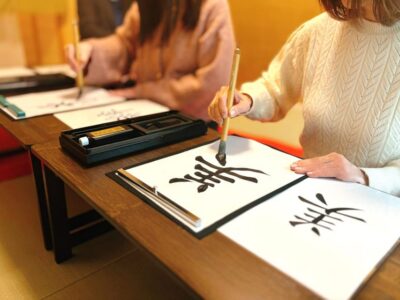
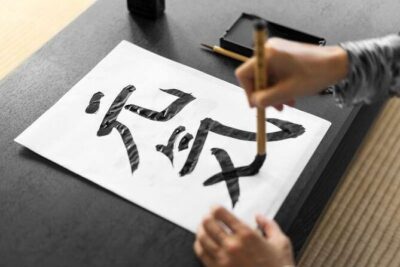
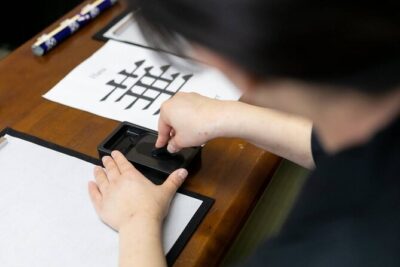
Learning Zen of Japanese Calligraphy in kimono near Osaka Castle
Read our review →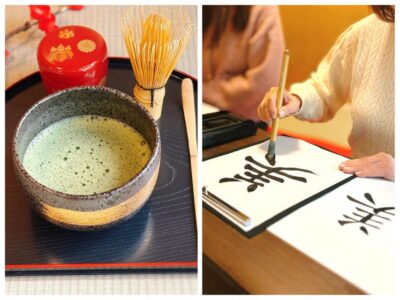
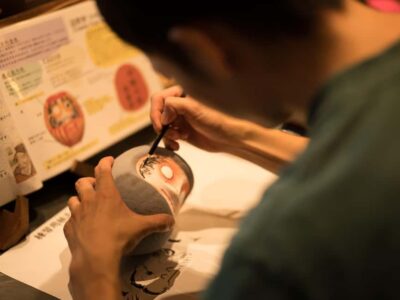
Osaka Daruma Workshop — Paint Your Own Good-Luck Daruma
Read our review →
Browse the lists this tour appears in