
Reviewed · OSAKA CRAFT WORKSHOPS
Sakai – Knife Factory and Craft Walking Tour
Sakai’s knife-making is the heart of this walk: you enter a working factory where raw blades arrive from a blacksmith and are sharpened into handmade cooking knives. It is a rare chance to see the work up close, not just look at a finished blade in a shop window.
I like two things in particular: the chance to try traditional sharpening with a professional, and the mix of knife craft with Sakai’s local food and history. The included cinnamon mochi is a small treat, but it gives the morning a pleasant local note.
One consideration: the tour’s factory access and demonstrations can vary by date, and the guide’s knife expertise may not meet every specialist’s expectations. If you are booking for the period from March 6 to April 6, 2026, the experience is listed as blacksmith-only on Tuesdays, Wednesdays, and Thursdays.
Key points to know before you go
- The factory visit is the main event: See blades being sharpened and finished at a family-run Sakai factory with more than a century of history.
- You get a hands-on sharpening lesson: A professional shows traditional techniques and gives you a chance to practice.
- The walk includes a local sweet: Your cinnamon mochi comes from a shop tied to a tradition said to be about 400 years old.
- You can shop for a custom knife: There may be a chance to order a knife made to your preferences and watch it being made.
- The group is capped at 10: A smaller group can make it easier to see and ask questions, but at least two people are needed for the tour to operate.
- The museum stop can change: On the third Tuesday of each month, the museum may close for inventory without notice.
Why Sakai makes sense for a knife tour
Sakai has a long connection to Japanese crafts, and its knife-making is not just a display for visitors. This walk takes you into a real factory, where the work happens in stations and the blades arrive from a blacksmith before being sharpened and finished. That detail matters: you see a part of the production process that a shop visit alone cannot show.
The tour also gives you a broader look at the city. Sakai’s traditional crafts museum covers local products and handmade work, including bicycles. The city is linked to Shimano, which was first created in Sakai, so the craft story here reaches beyond knives.
Expect a guided introduction rather than a specialist course in metallurgy or blade design. The focus is on seeing the factory, learning how sharpening works, and understanding what makes a handmade cooking knife different from a mass-produced one. If you already know a lot about Japanese knives, you may want to come with specific questions.
More craft workshops around Osaka:
- Osaka: Private Japanese Calligraphy Experience
★ 5.0 · 66 reviews - Calligraphy Workshop in Namba, Dotonbori
★ 5.0 · 57 reviews - Learning Zen of Japanese Calligraphy in kimono near Osaka Castle
★ 4.5 · 53 reviews
Inside the family-run knife factory
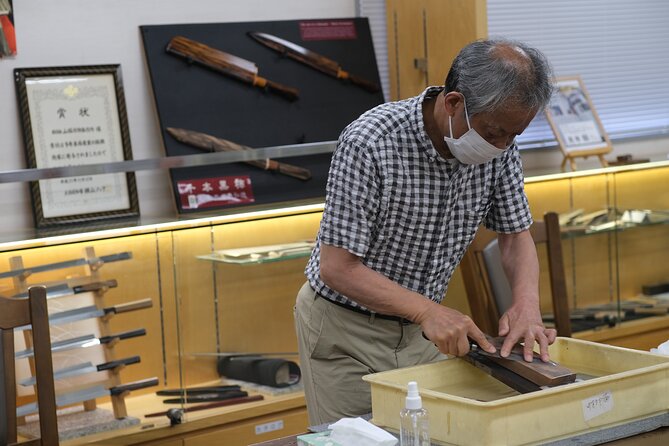
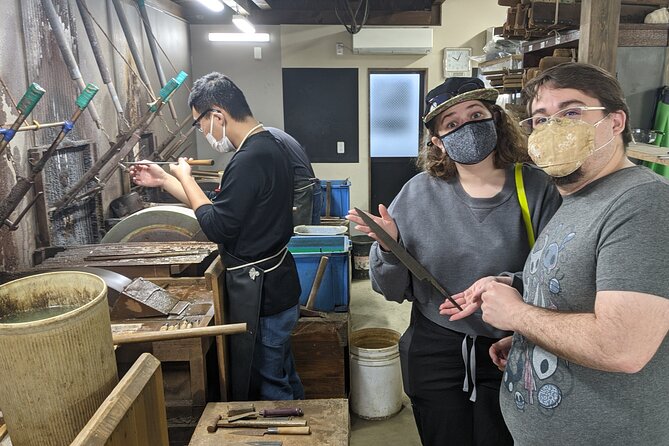
The factory visit lasts about an hour and is the central reason to book. You go inside a knife-making workplace with more than 100 years of family history, including the sharpening station and main office. You can watch professional workers turn raw blades into finished cooking knives.
The close-up view is valuable because the process depends on precision and practiced handwork. The tour gives you a better sense of the skill and care behind a blade than you can get from comparing price tags in a shop. You also see that a finished knife is the product of several stages, rather than a single act of forging.
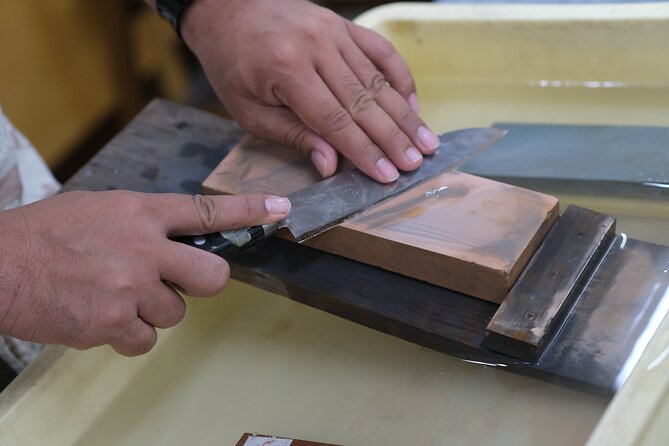
A professional leads a traditional sharpening lesson, with time to try the technique yourself. This is a useful part of the visit even if you do not plan to buy a knife. It can change how you think about maintaining the knives you already own, though the information provided does not specify how long the lesson lasts or what tools you will handle.
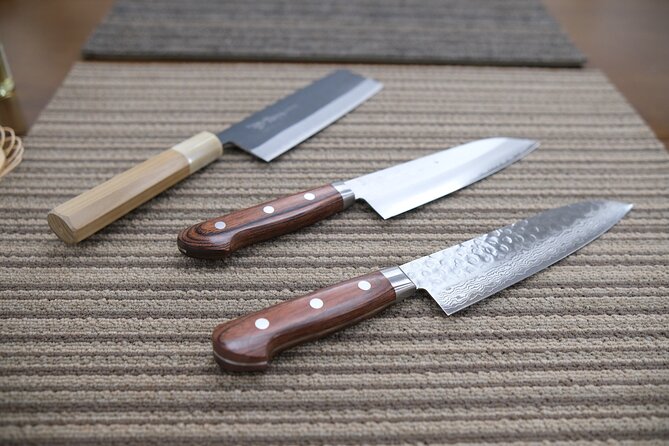
If you are interested in buying, you may be able to order a customizable knife and watch it being made. The tour can be especially useful if you want to buy directly from a maker but would otherwise feel unsure how to approach a knife shop. There is no stated obligation to purchase, and the experience is not described as a sales presentation.
Still, go in with realistic expectations. The option to buy may be one of the tour’s strongest practical advantages, but the information does not promise that every model, finish, or customization will be available on the day. If you have a particular knife in mind, ask the tour provider before booking.
A sweet stop with a 400-year story
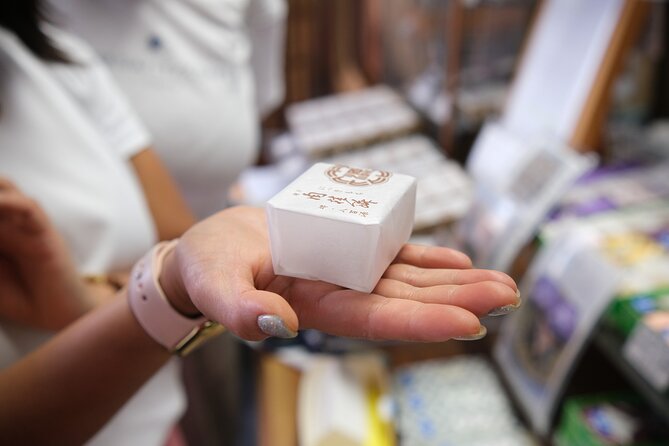
The first stop is Yaogen Raikodo Honten, where you learn about the history of traditional Japanese cinnamon mochi. The tradition is said to go back about 400 years, and one sweet is included for each person.
This is a short visit, around 15 minutes, so think of it as a taste and a quick introduction rather than a full food tour. You can buy more if you like it, but extra food is not included. The mochi adds a welcome pause before the factory visit and connects the morning to a different kind of local craft: making a food with a long-standing regional story.
The stop may also help break up a tour that is otherwise focused on tools and production. If you have dietary needs, the available information does not specify ingredients or alternatives, so check directly before booking.
The crafts museum and Sakai’s wider traditions
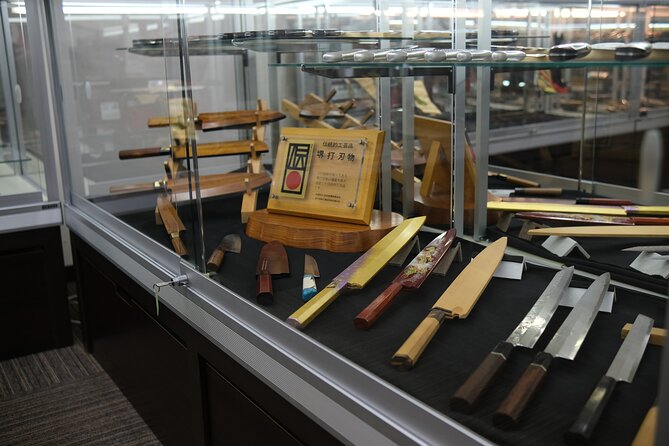
The Sakai Traditional Crafts Museum and knife shop takes about 30 minutes. Its purpose is to introduce the products and crafts that give Sakai its character, including handmade goods and bicycles, with Shimano’s local origins part of the story.
This stop gives context to the factory visit. Instead of treating knives as a single curiosity, you see them as one strand in a city with several traditions of making. The museum also has a knife shop, so it can be a practical place to look at local products after watching a blade being finished.
There is a scheduling wrinkle. On the third Tuesday of each month, the museum may close for inventory without notice. If that happens, the guide takes the group directly to the craftsman location instead. If the museum itself is a priority, avoid relying on this stop being open on that date.
More walking tours around Osaka:
- Osaka Local Foodie Walking Tour in Dotonbori and Shinsekai
★ 5.0 · 985 reviews - Osaka Bar Hopping Night Walking Tour in Namba (3 bars, 6 tastes)
★ 5.0 · 958 reviews - Osaka: Deep Backstreets Walking Tour with Dinner Option
★ 4.9 · 902 reviews - Ultimate Osaka Walking Tour: Castle, Dotonbori & Hidden Gems
★ 5.0 · 862 reviews
What the guide adds, and what to keep in mind
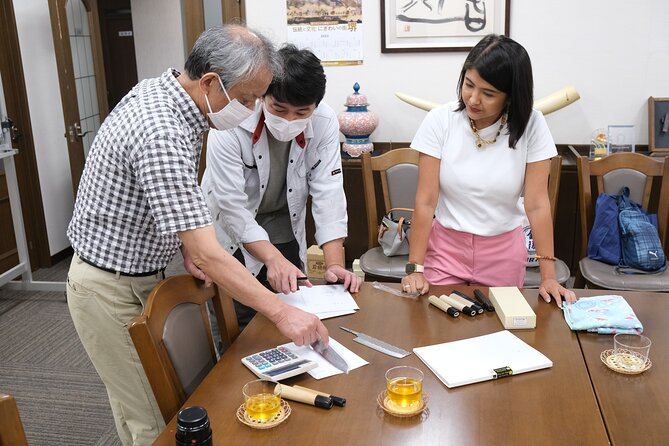
The guide connects the factory, food stop, and museum into a walk through Sakai rather than a series of disconnected visits. Guides who have led the tour include Scott, Jean-yves, and Rémi. Past experiences have praised guides for friendly conversation, local context, and useful recommendations, including advice on where to have lunch.
At the same time, guide style can vary. One account of the tour found the historical framing too Western-centered and felt the guide was not strong on knife-making details. That is worth considering if you are a serious knife enthusiast or want a highly technical lesson. The experience appears better suited to curious first-time visitors who want an accessible introduction than to people seeking an expert seminar.
The tour is described as bilingual, but French is not guaranteed on a shared tour. If you need a French-speaking guide, contact the provider before booking rather than assuming one will be available. Rémi has been described as speaking French, English, and Japanese, but that does not guarantee he will lead on your date.
Is $66.05 good value?
At $66.05 per person, the value rests mostly on the factory access, the sharpening lesson, and the guide. The mochi, museum visit, and walk through Sakai round out the morning, but you could visit some of the public-facing sights on your own. The factory is the harder part to arrange independently, and that access is what gives the tour its clearest advantage.
The price includes the bilingual guide, all fees and taxes, the factory visit, the sharpening lesson, and one sweet per person. Extra food and shopping are not included. If you are planning to buy a knife, treat the purchase as an additional expense, not part of the tour price.
This is good value if you want someone to arrange access and explain what you are seeing. If your main goal is simply to visit the museum or browse for a knife, you may find that you can do much of the rest independently. But if you are curious about how a blade is finished and want the chance to practice sharpening, the guided factory visit is the reason to pay for the walk.
Timing, group size, and booking details
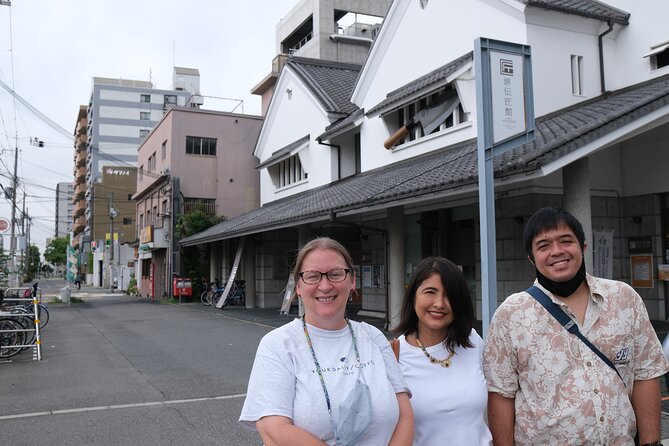
The tour starts at 9:00 am at 3-chōme-22 Ebisujimachō, Sakai Ward, Sakai, and ends back at the meeting point. Plan for three to four hours. The meeting area is near public transportation, and the activity is described as suitable for most people.
The group is limited to 10, which keeps the size manageable inside the factory. However, two people are needed for the tour to go ahead. A solo visitor can book, but the session may be cancelled if the minimum is not met; in that case, you are offered another date or experience, or a full refund.
The tour has a 4.8 rating from 44 ratings, and 93 percent recommend it. Those figures point to a strong overall experience, but they do not erase the real variation in guide approach or the possibility that factory details will matter more to some people than others.
For March 6 through April 6, 2026, the tour is described as blacksmith-only on Tuesdays, Wednesdays, and Thursdays. Check the exact format for your chosen date, especially if you expect the usual factory visit and sharpening station. The cancellation terms allow a full refund if you cancel at least 24 hours before the start time; later cancellations are not refunded.
Who should book this Sakai walk?
I would put this tour high on the list if you like handmade objects, want to see a working knife factory, or are considering buying a Japanese kitchen knife and want more context before choosing one. The sharpening lesson is useful even without a purchase, and the mochi stop and museum make the outing feel like a city walk rather than a single factory appointment.
It is also a good fit if you want a guided introduction to Sakai and appreciate smaller-group access. The experience has enough variety to suit someone who is curious about food, local history, and crafts, not only knives.
I would think twice if you need detailed technical instruction, a guaranteed French-speaking guide, or a fixed itinerary that cannot change. For most visitors with an interest in the craft, the factory access is distinctive enough to justify the price. Just confirm what your date includes, and leave room in your budget if a beautifully finished knife proves hard to resist.
FAQ
How long is the Sakai knife factory and craft walk?
The tour lasts approximately three to four hours. It starts at 9:00 am and ends back at the meeting point.
What is included in the price?
The price includes the bilingual guide, all fees and taxes, the knife factory visit, a knife-sharpening lesson, and one sweet per person. Extra food and shopping are not included.
Can I buy a knife during the tour?
You may have the chance to order a customizable knife and watch it being made. Knife purchases are not included in the tour price.
Is the tour available in French?
French is not guaranteed for a shared tour. Rémi has been described as speaking French, English, and Japanese, but you should check availability with the provider for your date.
What happens if I book as a solo visitor?
You can book alone, but the tour requires at least two people to operate. If the minimum is not met, you may be offered another date or experience, or a full refund.
Does the museum always open during the tour?
No. On the third Tuesday of each month, the museum may close for inventory without notice. If it closes, the guide takes the group directly to the craftsman location.
What changes from March 6 to April 6, 2026?
During this period, the tour is listed as blacksmith-only on Tuesdays, Wednesdays, and Thursdays. Check with the provider to confirm the format for your chosen date.
Just added around Osaka
- Mount Koya from Osaka: Cultural Small Group Day Tour★ 5.0 · 3 reviews
- Matcha Tea Bowl Experience in Osaka★ 5.0 · 11 reviews
- Master Washoku: 5 Core Techniques for Authentic Cooking★ 4.7 · 7 reviews
- Manno: Osaka Premium Wagyu BBQ Experience Reservation★ 5.0 · 4 reviews
- Learning Shodo with a kimono and Trying Samurai Calligraphy★ 4.2 · 7 reviews
- Katsu Curry OR Bento Making Cooking Class & Local Shop Tour★ 4.9 · 11 reviews
- Himeji: Private Guide Tour of the Castle from Osaka or Kyoto★ 4.5 · 7 reviews
- Osaka and Nara Customized Private tour with English Driver★ 4.7 · 4 reviews
Osaka Craft Workshops, compared.
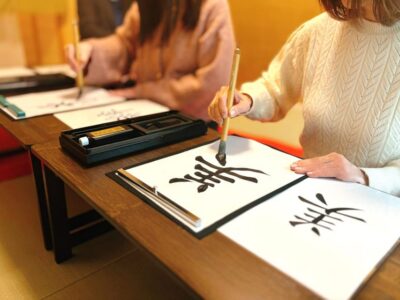


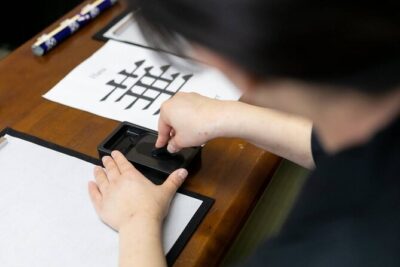
Learning Zen of Japanese Calligraphy in kimono near Osaka Castle
Read our review →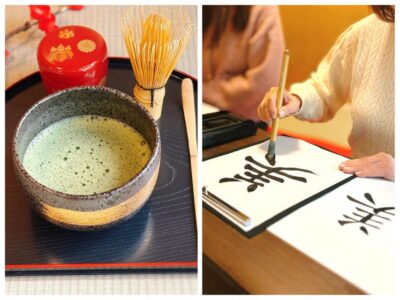
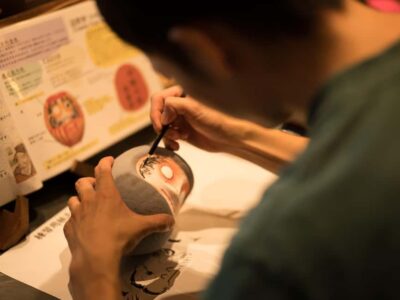
Osaka Daruma Workshop — Paint Your Own Good-Luck Daruma
Read our review →
Browse the lists this tour appears in