
Reviewed · OSAKA CRAFT WORKSHOPS
Osaka: Sashiko Japanese Craftsmanship Workshop
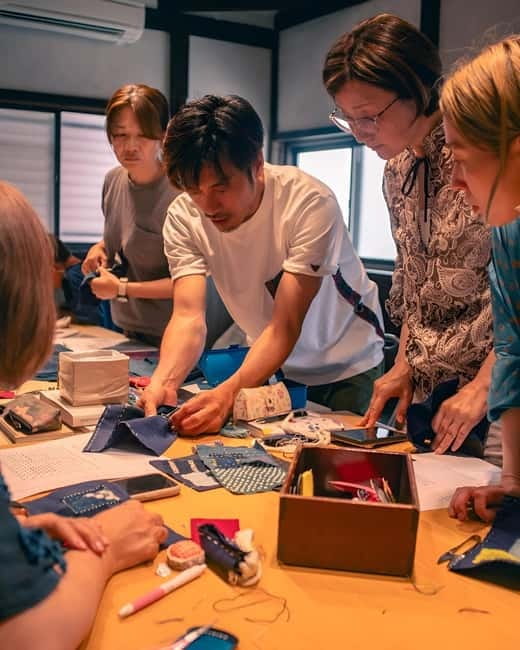
Sashiko began as a practical way to mend and strengthen clothing. In this Osaka workshop, you’ll learn the basic stitches behind the craft, hear how it changed over time, and make a geometric-patterned coaster of your own.
I like two things about this class: you leave with a finished piece, not just a demonstration, and the small group gives you room to ask for help as you work. The quiet, repetitive stitching also makes this a welcome change of pace from sightseeing.
One thing to plan for: the workshop requires at least two participants. If that minimum is not met, you may need to choose another date, pay a 3,000-yen solo supplement, or take a full refund.
What makes this workshop worth your time

- A practical craft with a long story: Learn how sashiko developed as a way to mend, reinforce, and insulate clothing.
- A coaster you stitch yourself: Practice geometric patterns on a small project you can take home.
- Guidance in English or Japanese: Instructor June leads the session, with other instructors, including Jun and Nene, also associated with classes.
- A small group, capped at eight: There’s space for individual support and a calm, social pace.
- Materials are included: Fabric, needles, thread, and sashiko tools are provided.
- A small shopping corner: Browse JunAle goods, sewing kits, hand-dyed threads, and clothing, with discounts for cash payments.
From mending clothes to patterned art
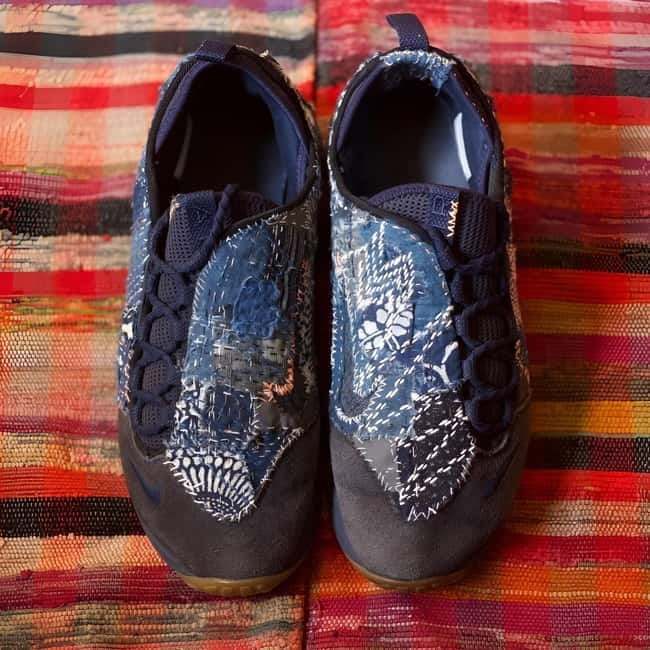
Sashiko means little stabs, a fitting name for a craft built from small, repeated stitches. It took shape during Japan’s Edo period, from 1603 to 1868, when rural communities used stitching to repair worn garments and make them warmer and stronger.
That practical purpose matters. Sashiko was not born as a decorative pastime for a studio shelf. It was a way to extend the life of clothing and make useful things last. Over time, its functional stitches became an art form, and different parts of Japan developed their own patterns and motifs.
In class, you’ll hear about this shift and learn that the designs can carry cultural meaning. The workshop is a short introduction, not a full survey of regional styles, but the historical context helps you see a coaster as more than a pretty square of cloth. You are learning a technique shaped by daily life, resourcefulness, and careful handwork.
More craft workshops around Osaka:
- Osaka: Private Japanese Calligraphy Experience
★ 5.0 · 66 reviews - Calligraphy Workshop in Namba, Dotonbori
★ 5.0 · 57 reviews - Learning Zen of Japanese Calligraphy in kimono near Osaka Castle
★ 4.5 · 53 reviews
A two-hour introduction, from demonstration to first stitches
The session opens with a brief introduction to sashiko and its background. You then see a demonstration of the basic stitching technique before trying it yourself. That order is useful for beginners: you get a little context, see how the stitch works, then have time to practice while an instructor is nearby.
The project is a small item such as a coaster, worked with geometric patterns. A coaster is a sensible first project. It gives you a defined shape and a chance to repeat the stitch without committing to a large piece of fabric. All the necessary materials and tools are included, so you do not need to arrive with a sewing kit or previous embroidery experience.
The two-hour length allows time to settle into the rhythm of stitching, but it is still an introduction. If you already sew, the basic steps may come quickly. One keen sewing pair finished early and was shown an additional stitch, so you can ask for a further challenge if you have the time and skill. That is a useful point to keep in mind: the class is designed for beginners, but people with craft experience need not spend the whole session waiting for others to catch up.
Why the small group changes the experience
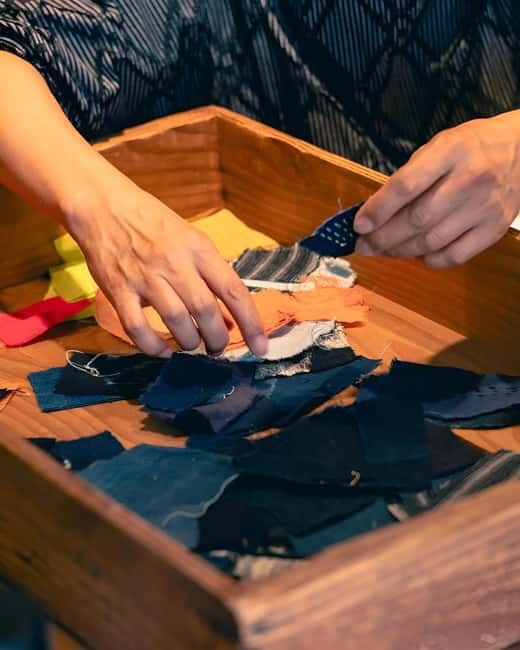
The workshop is limited to eight participants. For a craft that depends on hand position and stitch consistency, that matters more than it might for a lecture or a large group demonstration. You can ask questions while you work, and the instructor has a better chance of noticing when you need a correction or a little encouragement.
Instruction is available in English and Japanese. June is named as the instructor, while Jun and Nene have also led sessions. The teaching names vary in accounts of the class, so if meeting a particular instructor is important to you, check who is scheduled when you book.
The atmosphere is described as friendly and relaxed, and the format suits a range of ages and abilities. Teenagers have joined with adults, and the workshop is intended for complete beginners as well as people who already enjoy handcraft. If you are looking for a competitive class or a polished piece made at speed, this is not the point. The value is in learning the method and finding a steady pace.
The meditative side of stitching
Sashiko asks you to focus on small movements. A line of repeated stitches can turn the workshop into a calm, almost meditative couple of hours, especially if you are used to filling every holiday moment with transport, queues, and photo stops.
That slower pace is part of the appeal, but it may not suit everyone. If you dislike handwork or expect a fast-moving activity, two hours of stitching could feel long. If you enjoy making things, or simply want a quiet break, the repetition is likely to be a plus. You do not need to be an experienced sewer to appreciate it; the basic project gives you a clear way in.
The shared setting adds a social element without taking over the craft. You can focus on your own work while being alongside others who are also learning. The small group, the hands-on instruction, and the time to practice make this more participatory than watching a craft demonstration and moving on.
More hands-on workshops around Osaka:
- Sushi Making Osaka Roll and Authentic Japanese Sushi Class
★ 5.0 · 1,220 reviews - Matcha Making Class in Osaka with Authentic Japanese Sweets Set
★ 5.0 · 509 reviews - Osaka: Ramen and Gyoza Cooking Class in Dotonbori
★ 5.0 · 378 reviews - Osaka Sushi Making Class – Hands-On Nigiri & Rolls (Same-Day OK)
★ 5.0 · 352 reviews
What you take home, and what you can keep learning

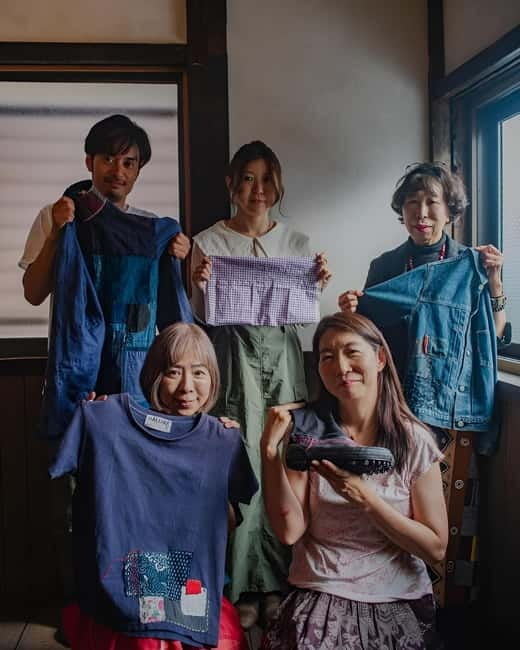
You leave with your handmade sashiko piece, usually a coaster, and a first set of skills you can use in future projects. The coaster is a modest souvenir, but it has a better story than a mass-produced trinket: you chose the pattern, learned the stitch, and put in the work yourself.
You also gain a starting point for understanding how sashiko connects utility and design. The workshop covers pattern symbolism and the craft’s background, though two hours can only introduce the subject. If the technique catches your interest, the basic skills offer a way to continue practicing after you leave Osaka.
There is a small shopping corner beside the workshop area with JunAle original goods, sewing kits, hand-dyed threads, and clothing. It gives you a chance to bring home supplies or a locally made item if you want to continue stitching. Cash discounts are available, so bring cash if you expect to shop and want to use that offer.
Setting, access, and getting there

The workshop takes place in Osaka, on Honshu. With advance notice, you can be met at Kyobashi Station, which gives you a practical transit reference. Transportation to and from the venue is not included, so you are responsible for reaching the workshop yourself. Confirm the exact meeting plan in advance rather than assuming the station pickup is automatic.
The studio has been described as a homely space in an old house, with wooden stairs and a visible timber framework. That setting adds character to an activity centered on traditional handwork. It is a different sort of Osaka experience from a food tour or major attraction: the appeal is a few hours in a craft space, learning directly from an instructor.
The activity is listed as wheelchair accessible. The group is small, with a maximum of eight participants. Personal or travel insurance is not included, so arrange your own coverage if you want it.
Is $67 a fair price?
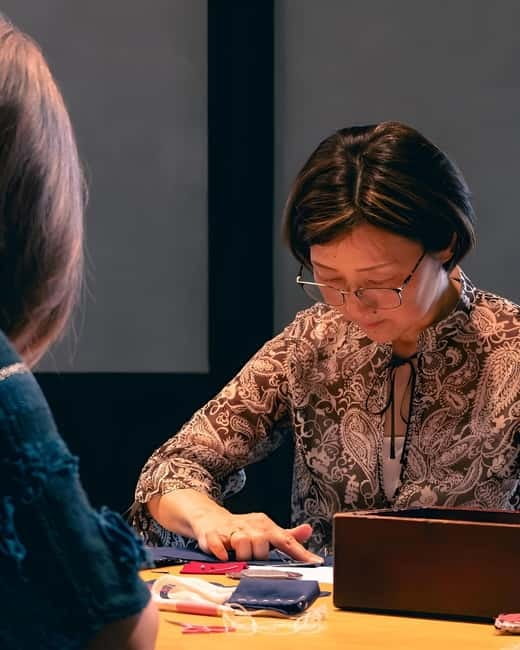
At $67 per person for two hours, this is not the cheapest way to spend an afternoon in Osaka. But the fee includes the materials, tools, instruction, cultural background, and a finished project to take home. You are paying for a guided introduction to a specific Japanese craft, not just access to a table and thread.
The price makes the most sense if you value hands-on learning and want a souvenir you have made yourself. It may feel less worthwhile if you are mainly looking for a quick activity or are not interested in sewing. For someone who enjoys craft, the included supplies and personal guidance make the cost easier to justify, especially in a group capped at eight.
Booking is flexible: you can reserve now and pay later, and cancel up to 24 hours in advance for a full refund. Keep the two-person minimum in mind if you are traveling solo. If the class does not reach that minimum, you can attend on another date, pay a 3,000-yen supplement, or receive a full refund.
Who should book this class?
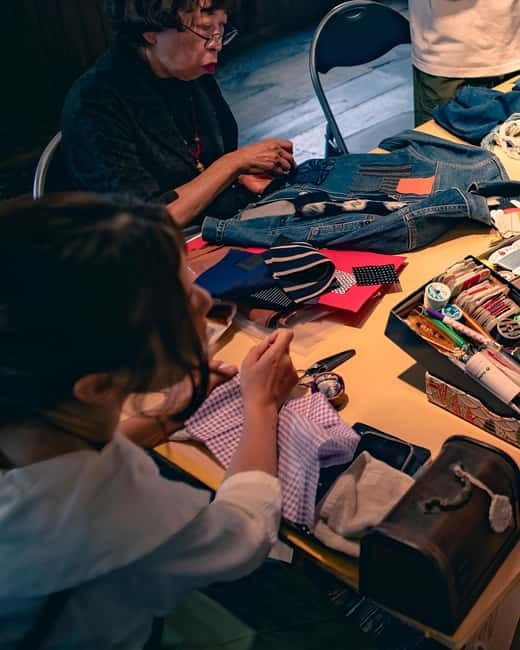
I’d point craft-curious visitors toward this workshop, especially if you enjoy sewing, embroidery, or making things by hand. It is also a good choice for a pair, a small family group, or friends who want a quieter activity between Osaka’s bigger sights.
You do not need prior experience, and the project is approachable for beginners. More experienced stitchers can ask about an extra technique if they finish early. The best fit is someone who wants to learn at a calm pace and values the process as much as the finished coaster.
If you want a fast, high-energy activity, choose something else. If the idea of sitting down, learning a traditional stitch, and leaving with a handmade memento sounds appealing, this is a worthwhile two-hour cultural break. Just confirm the meeting details and the minimum group requirement before you set your plans.
FAQ
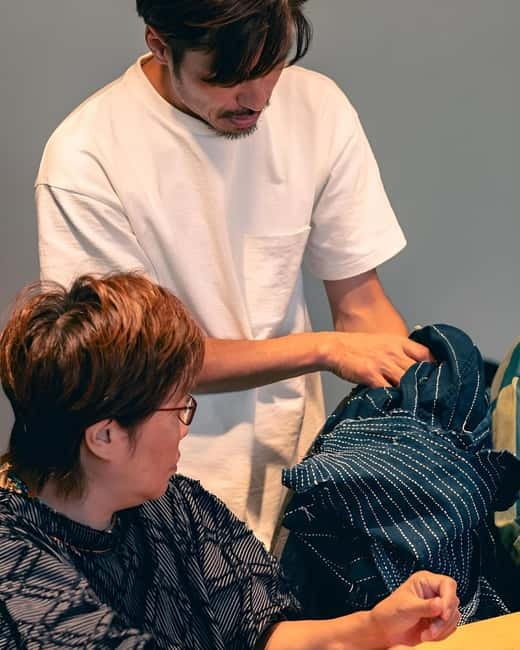
How long is the sashiko workshop?
The workshop lasts two hours.
What will I make?
You’ll practice geometric sashiko patterns on a small project, such as a coaster, and take your completed piece home.
Are materials and tools included?
Yes. Fabric, needles, thread, and other sashiko-specific tools are provided.
Is the workshop suitable for beginners?
Yes. The class introduces basic sashiko techniques and is designed for both beginners and people with craft experience.
What languages are used for instruction?
Instruction is available in English and Japanese.
What happens if I book as a solo participant and the minimum group size is not met?
You can attend on an alternate date, pay a 3,000-yen solo supplement, or receive a full refund.
Just added around Osaka
- Mount Koya from Osaka: Cultural Small Group Day Tour★ 5.0 · 3 reviews
- Matcha Tea Bowl Experience in Osaka★ 5.0 · 11 reviews
- Master Washoku: 5 Core Techniques for Authentic Cooking★ 4.7 · 7 reviews
- Manno: Osaka Premium Wagyu BBQ Experience Reservation★ 5.0 · 4 reviews
- Learning Shodo with a kimono and Trying Samurai Calligraphy★ 4.2 · 7 reviews
- Katsu Curry OR Bento Making Cooking Class & Local Shop Tour★ 4.9 · 11 reviews
- Himeji: Private Guide Tour of the Castle from Osaka or Kyoto★ 4.5 · 7 reviews
- Osaka and Nara Customized Private tour with English Driver★ 4.7 · 4 reviews
Osaka Craft Workshops, compared.
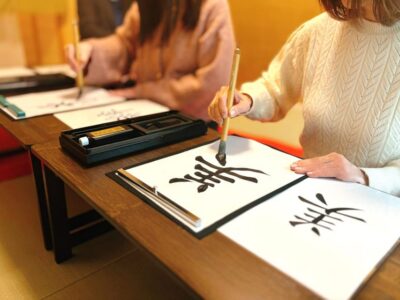
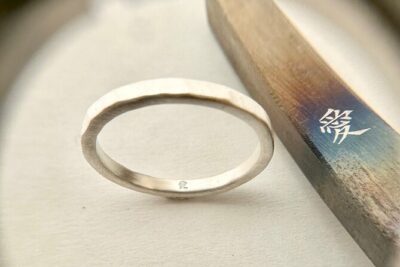
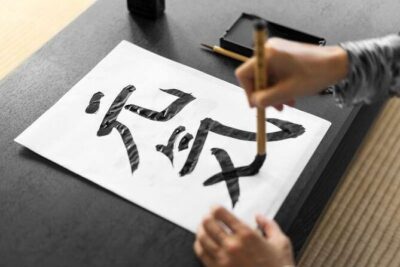
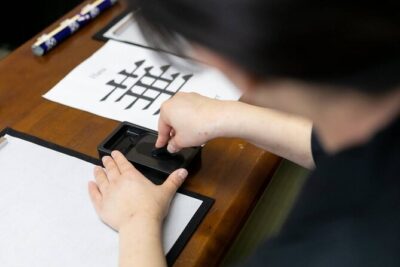
Learning Zen of Japanese Calligraphy in kimono near Osaka Castle
Read our review →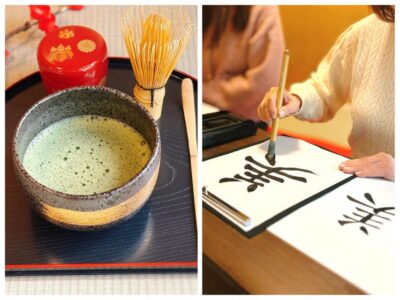
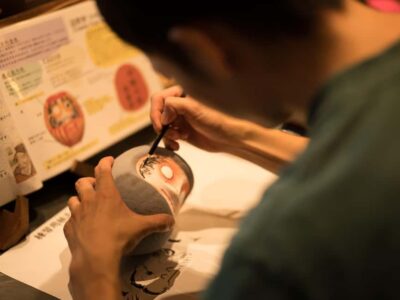
Osaka Daruma Workshop — Paint Your Own Good-Luck Daruma
Read our review →
Browse the lists this tour appears in