
Reviewed · OSAKA TEA CEREMONIES
Premium Kimono Dressing, Tea Ceremony, Calligraphy, Samurai show
A kimono dressing session is a fine way to see how much care goes into this familiar garment. At -michi- in Osaka, staff explain the steps as you dress, then guide you through calligraphy and a tea ceremony, with Japanese music and samurai sword performances also on the program. I like that you get to make things and try things, not just watch.
I especially like the personal help with kimono dressing and the chance to take home your calligraphy work. One point to weigh: women’s kimono dressing is included, but armor dressing is not. The experience’s description features samurai armor, so check the extra cost before you book if that is a main reason for going.
- Kimono dressing is for women, and staff explain the process as they help you dress.
- Tea ceremony and calligraphy are included, giving you two hands-on ways to engage with Japanese traditions.
- Traditional music and samurai sword performances are part of the experience, with opportunities to view and participate.
- The three-hour session takes place at Shinsaibashi ARTY Inn in Osaka.
- Armor dressing and a souvenir are not included in the $123.49 price; ¥10,000 per person is shown alongside the souvenir information.
A three-hour cultural stop in Osaka
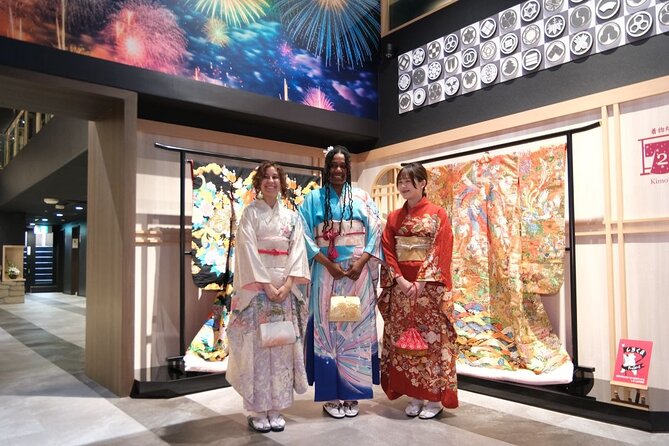
-michi- brings several Japanese cultural activities together in one indoor experience at Shinsaibashi ARTY Inn. Over about three hours, you can dress in a kimono, take part in a tea ceremony and calligraphy, and enjoy traditional music and samurai sword performances.
The format is useful if you want more than a photo in a costume but have limited time in Osaka. Instead of arranging separate activities, you can try several in one place, with staff explaining what you are doing and why. That guidance matters: small details in dressing, writing, and ceremony can be easy to miss if you only watch from the side.
The experience is designed for participation, but the exact order of activities is not specified. Think of it as a compact introduction rather than a long course in any one tradition. You will have time to try several things, but not the same depth you would get from spending a full afternoon on a single art.
Kimono dressing, with the steps explained
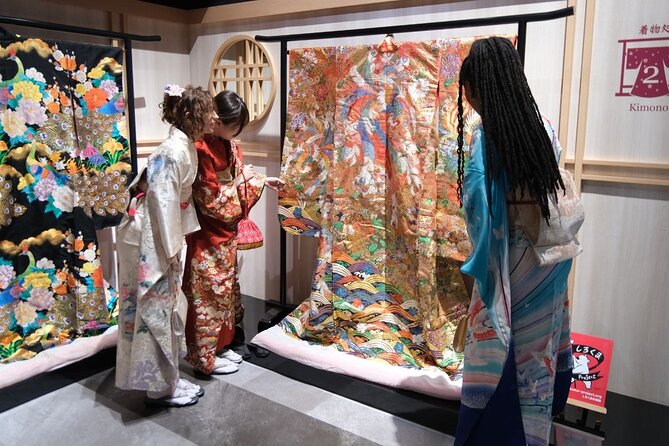
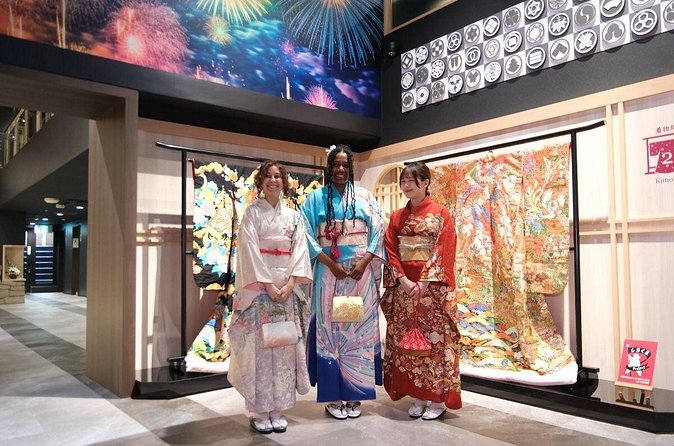
For women, kimono dressing is included. The appeal is not only putting on a beautiful garment. Staff explain the stages of dressing and the details involved, helping you understand the care behind the finished look. That makes the session more useful than a quick costume change for a photograph.
Set aside some attention for the explanations rather than treating this as a photo stop. You may remember the look of the kimono, but you will get more from the experience if you also listen to how it is put on and what the process involves. The staff’s warm, attentive approach is a recurring strength of the experience.
There is an important distinction for anyone drawn to the samurai side of the program. Kimono dressing is listed as included for women; armor dressing is not. The experience description mentions trying on armor, and the extra information lists armor dressing and a souvenir as exclusions, with ¥10,000 per person shown alongside the souvenir. Since the exact relationship between that amount and the optional items is not clear, ask the provider what it covers before you commit.
More tea ceremonies around Osaka:
- Osaka: Tea Ceremony Experience
★ 4.9 · 1,426 reviews - Tea Ceremony Experience in Osaka Doutonbori
★ 5.0 · 754 reviews - Matcha Making Class in Osaka with Authentic Japanese Sweets Set
★ 5.0 · 509 reviews
Tea ceremony: a chance to slow down
The tea ceremony is one of the included activities. It gives you a change of pace from dressing and performances, and a chance to focus on a traditional practice with staff there to explain what is happening. The supplied details do not spell out the exact format or how much tea-making you will do, so don’t assume it is a full lesson.
Still, even a short guided encounter can help you notice the attention given to each part of a ceremony. If you are new to Japanese customs, it is a good opportunity to ask questions and follow the steps rather than simply watch. The experience is pitched as interactive, and one participant specifically described creating their own matcha, though the precise activities may vary.
The tea session also adds balance to the three-hour program. Calligraphy and sword performances bring movement and focus; a tea ceremony is a quieter counterpoint. You get a varied introduction rather than a single theme repeated throughout.
Calligraphy you can take home
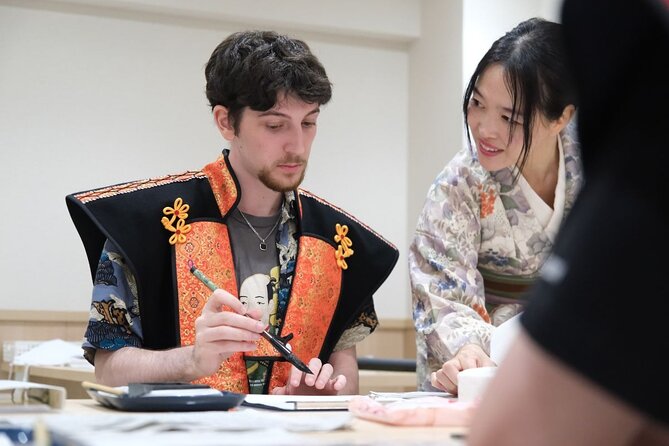
Calligraphy is included, and you get to try it yourself. The attraction is practical: you leave with an object you made, not only a memory of watching someone else work. A participant described planning to frame their amateur efforts, a good reminder that the point is the experience, not producing gallery-worthy writing.
If you have never held a brush for calligraphy, expect a beginner’s attempt, not a polished masterpiece. That is part of the fun. You can concentrate on the act of writing and the explanations, and let the result be a keepsake of your time in Osaka.
This activity is especially appealing if you like cultural experiences that leave room for your own effort. The staff are described as explaining the meaning behind each event, which can turn a short writing exercise into something more thoughtful. But the available details do not say which characters you will write or whether you can choose them.
Music and samurai sword performances
Traditional Japanese music and samurai sword performances add a live element to the program. You can watch and participate in the music and sword activities, according to the experience description. That mix is a plus if you prefer to do more than sit through demonstrations.
The sword performance also helps explain the samurai theme that runs through the experience. You can see the performance without paying for armor dressing, but the two should not be confused: watching or taking part in a sword activity does not mean armor is included. If wearing armor is essential to your plans, confirm the additional cost and what it includes before booking.
The program’s performance details are limited. There is no stated length for the music or sword portion, nor a breakdown of how much is demonstration versus participant involvement. Go expecting a compact cultural activity, not a full stage production or a martial arts class.
More kimono experiences around Osaka:
- Osaka: Sumo Show & Experience w/ Optional Kimono & Hot Pot
★ 4.5 · 609 reviews - Learning Zen of Japanese Calligraphy in kimono near Osaka Castle
★ 4.5 · 53 reviews - Osaka: Kimono or Yukata Rental &Photos Service Options
★ 4.9 · 25 reviews - Kimono photoshoot-Includes 100 photo data
★ 5.0 · 21 reviews
What the price covers, and what it does not
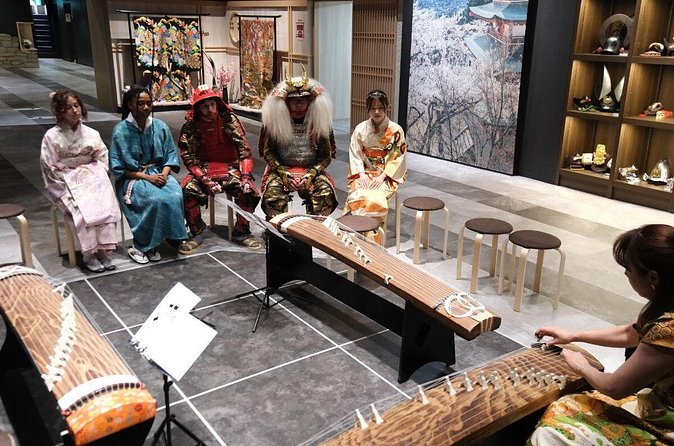
The listed price is $123.49 per person for about three hours. That is roughly $41 per hour, though the value is better judged by the range of activities than by the clock alone. You are paying for several guided cultural experiences in one location: kimono dressing for women, tea ceremony, calligraphy, and traditional music performances.
Samurai sword performances are part of the described program, but armor dressing is specifically listed as not included. A souvenir is also excluded, and ¥10,000 per person appears alongside that exclusion. Because the details do not make clear whether that amount applies to armor dressing, the souvenir, or a particular option, contact -michi- to confirm the price before you book.
For someone who wants a broad introduction to Japanese culture without arranging several separate visits, the price may make sense. If your main goal is simply to wear armor or take a few costume photos, the extra charge could change the calculation. Decide which parts matter most to you, and compare the total cost with that priority in mind.
Getting to the experience and planning your visit
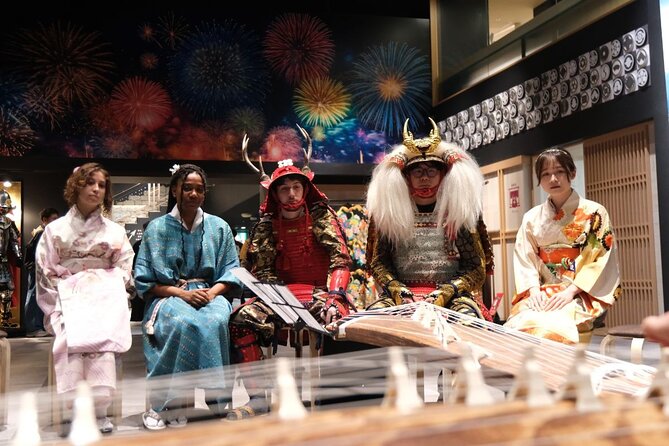
The experience takes place at Shinsaibashi ARTY Inn in Osaka and is described as near public transportation. The booking uses a mobile ticket, and confirmation is provided at the time of booking. The session lasts about three hours, so allow that time in your day rather than trying to squeeze it into a short gap between other plans.
The experience is booked, on average, 42 days in advance. That is a useful planning clue, not a guarantee that every date sells out or that you must book that early. If your Osaka schedule is fixed, arranging it ahead may make it easier to secure the time you want.
Most people can participate, according to the supplied information. It does not give detailed access information or specific requirements for each activity, so contact the provider if you have a question about whether a particular part will work for you.
There is free cancellation up to 24 hours before the start time. Cancellations made within 24 hours are not refunded, and changes inside that window are not accepted. Those cutoff times use local time in Osaka, so check the start time carefully if you are booking from another time zone.
Who will get the most from this experience?
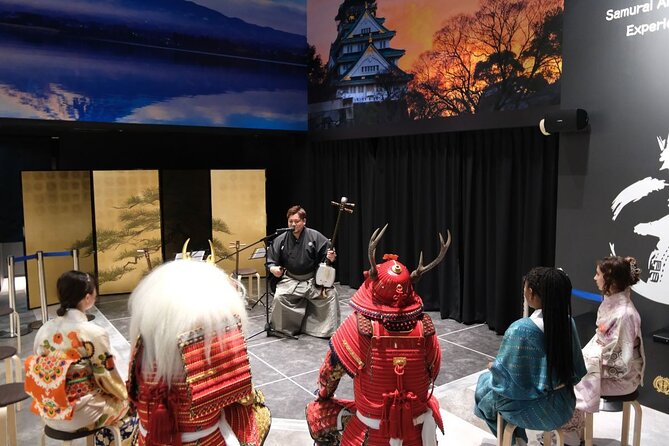
I’d recommend this for a first visit to Japan, especially if you want an organized introduction to several traditions and appreciate having someone explain the details. It also suits couples, friends, or solo visitors looking for a structured activity with hands-on elements and a chance to create a personal memento.
It is less ideal if you want an in-depth lesson in just one discipline. Three hours has to cover dressing, tea, calligraphy, music, and sword performances, and the available information does not promise extended instruction in any one activity. It may also disappoint if you expect armor dressing to be included in the base price.
The strongest reason to book is the combination of personal instruction and variety. The staff’s explanations are central to making these activities understandable, while the included calligraphy and tea ceremony give you something to do, not just observe. If armor is a must, first settle the additional cost. If the kimono, tea, and calligraphy are your main interests, the package is easier to assess at its stated price.
Should you book -michi-?
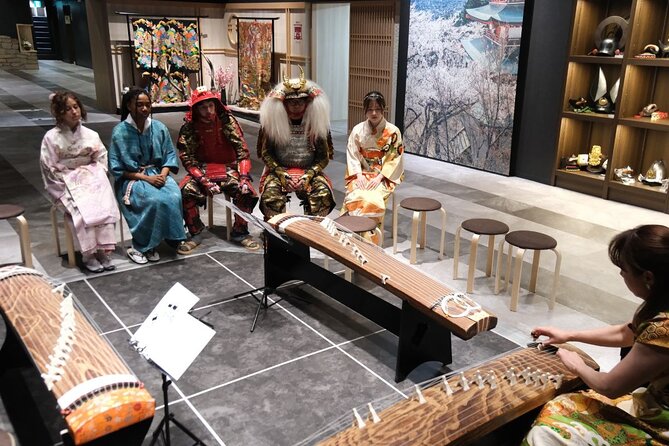
Book this if you want a three-hour, guided introduction to Japanese cultural activities in one Osaka location, and you value taking part as much as watching. The kimono dressing, tea ceremony, calligraphy, and performances make for a varied session, with staff explanations adding context.
Think twice if your main goal is trying on samurai armor, since that is not included in the listed price. Confirm the extra charge and what it covers before booking. For a first-time visitor who wants a friendly, hands-on cultural stop, this is a worthwhile option to consider.
FAQ
How long does the experience last?
It lasts approximately three hours.
Where does the experience take place?
It takes place at Shinsaibashi ARTY Inn in Osaka.
What is included in the $123.49 price?
The included activities are kimono dressing for women, a tea ceremony, calligraphy, and traditional Japanese music performance. The experience description also includes samurai sword performances.
Is kimono dressing available to everyone?
The included kimono dressing is specified as women only.
Is samurai armor dressing included?
No. Armor dressing is listed as not included. The supplied details show ¥10,000 per person alongside the souvenir information, so confirm the exact optional cost with the provider.
Is a souvenir included?
No. A souvenir is listed as not included.
Can I cancel for a refund?
Yes, if you cancel at least 24 hours before the experience’s start time. Cancellations made less than 24 hours before the start time are not refunded.
When will I receive confirmation, and what ticket format is used?
Confirmation is provided at the time of booking, and the experience features a mobile ticket.
More craft workshops around Osaka
- Osaka: Private Japanese Calligraphy Experience
★ 5.0 · 66 reviews - Calligraphy Workshop in Namba, Dotonbori
★ 5.0 · 57 reviews - Osaka: Private Tea Ceremony and Calligraphy Experience
★ 5.0 · 50 reviews - Osaka Daruma Workshop — Paint Your Own Good-Luck Daruma
★ 4.9 · 46 reviews
More samurai and ninja experiences around Osaka
- Samurai Training Experience KENDO in Osaka
★ 5.0 · 515 reviews - OSAKA NIGHT FUSION Japanese Taiko Kabuki Samurai Dance Show
★ 4.8 · 155 reviews - Osaka: Samurai Training Experience KENDO in Osaka
★ 5.0 · 111 reviews - Osaka: A Modern Samurai, Kabuki, Taiko, & Dance Show
★ 4.5 · 66 reviews
Just added around Osaka
- Mount Koya from Osaka: Cultural Small Group Day Tour★ 5.0 · 3 reviews
- Matcha Tea Bowl Experience in Osaka★ 5.0 · 11 reviews
- Master Washoku: 5 Core Techniques for Authentic Cooking★ 4.7 · 7 reviews
- Manno: Osaka Premium Wagyu BBQ Experience Reservation★ 5.0 · 4 reviews
- Learning Shodo with a kimono and Trying Samurai Calligraphy★ 4.2 · 7 reviews
- Katsu Curry OR Bento Making Cooking Class & Local Shop Tour★ 4.9 · 11 reviews
- Himeji: Private Guide Tour of the Castle from Osaka or Kyoto★ 4.5 · 7 reviews
- Osaka and Nara Customized Private tour with English Driver★ 4.7 · 4 reviews
Osaka Tea Ceremonies, compared.
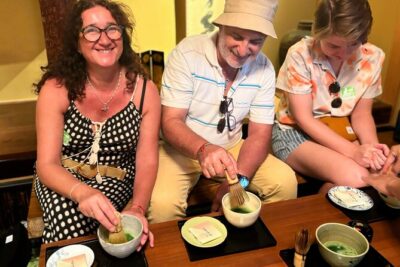
World Heritage Kyoto & Nara Uji Authentic Matcha Experience
Read our review →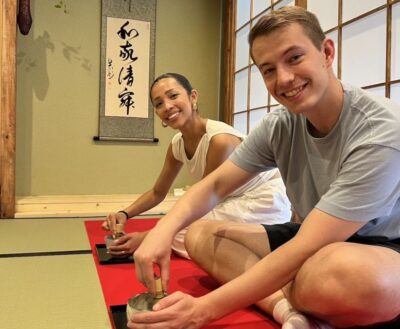
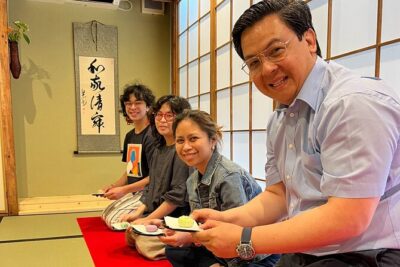
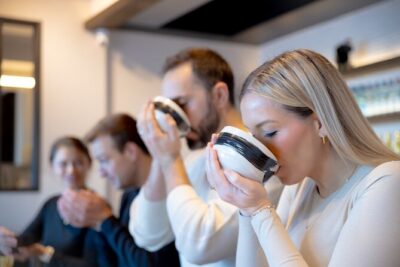
Matcha Making Class in Osaka with Authentic Japanese Sweets Set
Read our review →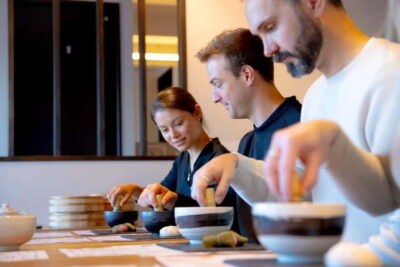
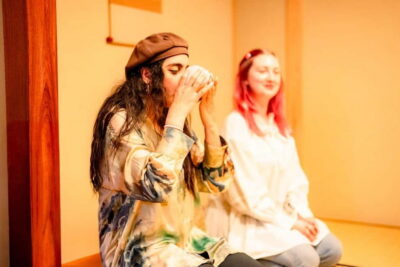
Authentic Tea Ceremony(Max 5 ppl) -Master Matcha Making
Read our review →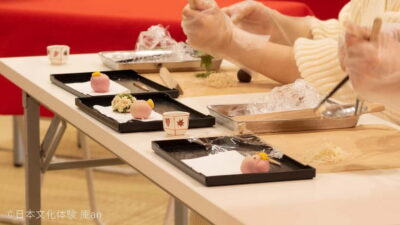
Japanese Traditional Sweets Making and Tea Ceremony
Read our review →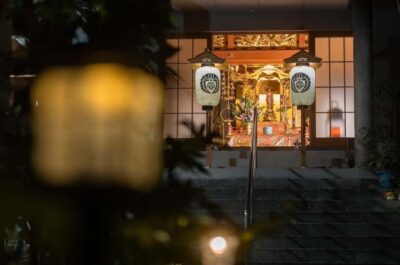
Osaka Temple Cool Foot Bath & Matcha Experience〈45min〉
Read our review →Browse the lists this tour appears in